
Pet Sitting in Spain: Tips for First-Time Volunteers
Are you a keen traveller and animal lover? Sometimes those two don't mix easily, especially if you have a pet at home. All those times when you felt guilty leaving your furry friend behind. Not having a pet definitely gives more freedom, flexibility, and peace of mind to go on the next trip whenever you feel like it.
But does that mean you can't have that comforting, furry presence in your life if you want to explore, say, Spain? Not at all. Pet sitting is a way to bridge that gap, letting you enjoy both your love for animals and your wanderlust.
Why Pet Sitting Is a Great Way to Travel Spain
Spain is the fourth largest country in Europe and definitely one of the most frequently visited. Last year, almost 94 million people came, or so says Spain's National Statistics Institute. So what's the draw? Favourable climate, delicious food, amazing beaches, cities that never sleep, and a relaxed vibe, summed up by that word 'tranquilo'. Once you go to Spain, you usually end up wanting to see more.
I bet you guessed by now how you could make your travels last longer. If you go for pet sitting in Spain, you stay in all sorts of beautiful spots while enjoying furry company and not paying a penny for accommodation. Admittedly, you won’t be able to go away on a multi-day trip, but instead you will have a chance to truly slow down, get to know properly what's around you, and actually feel like you're living there, surrounded by locals.
One week you might be relaxing on Barcelona's Barceloneta beach and cuddling with a friendly cat in the evenings. Next week, you could be out for long walks with a dog in Madrid's parks, or perhaps you'll be tucked away in a country house in Andalusia, surrounded by chickens and a goat.
And let’s not forget about practical benefits. Pet sitting in Spain is a cost-effective way to travel since accommodation is included in exchange for your help. It's a great fit for budget-conscious travellers, especially younger ones, sabbatical takers, and anyone wanting a longer, more immersive stay with their own space and some peace.
If you're curious about how much living in Spain as a volunteer costs, our guide breaks down the financial side of things, culture, food, and some helpful tips.
Spain has a really welcoming attitude towards pets, and you'll find animals are allowed in a lot of public areas, cafes, and parks. This makes it pretty easy for pet sitters to settle in and explore. Whether you're drawn to the energy of a busy city or the quiet of the countryside, there are pet sitting opportunities in Spain that will fit what you're looking for. From here, you'll find the key benefits, the kinds of sits available, how to build a strong pet sitting profile, the etiquette and emergency basics to know, and which regions of Spain are best for finding the right stay.

What Types of Pet Sitting Opportunities Can You Find in Spain
Pet sitting opportunities in Spain come in many forms, making it easy to find an experience that matches your interests and travel style. Most hosts simply need someone to care for their pets while they're away, so you could find yourself cat sitting in Valencia or in other seaside cities, such as Alicante or Murcia.
Coastal options aren't limited to the Mediterranean. Alternatively, you could look after a cat in A Coruña, on the northern shores of Spain, or settle for some quiet time with a cat care and some gardening in rural Galicia.
And then there are endless options to find some doggy pals when you're pet sitting, whether that's in the city, a small town, or out in the country. You could start your pet-sitting adventure by looking after dogs in a rural house in Andalucia, then move to Granada to a house with two dogs and a pool, to perhaps end your journey staying with lovely doggies in Mallorca or even dog sitting in a lovely finca surrounded by pine trees in Tenerife.
Volunteering in Spain combines taking care of cats and dogs, and if you're hoping for pet sitting in a more peaceful, rural setting, you might find yourself living alongside chickens, ducks, rabbits, goats, horses, or even ponies. Just keep in mind that these kinds of roles often mean doing more than just putting food in a bowl. You'll need to be ready for whatever the hosts ask of you, so make sure you're okay with the full range of tasks.
While pet sitting in Spain, you might also be asked to carry out daily home maintenance, which might involve watering indoor plants, gardening, collecting post, and making sure that garbage is collected.
For countryside stays, the jobs might be a bit more involved and include cleaning and mending chicken coops or dealing with the horse – like grooming it and keeping the stable neat. Make sure you only apply for the positions you have actual skills and experience for, and always talk through all the tasks and what they expect from you before you say yes.

How to Create a Strong Pet Sitting Profile
Are you ready to start your pet sitting adventure? Based on my experience, both as a pet parent and a pet sitter, I put together some thoughts on what makes a really solid pet sitter profile. It's basically what I look for when I'm searching for someone to watch my 13-year-old cat, Matschie. And when I want to escape the city for a bit and find a quiet spot, using these same pointers helps me find pet sitter spots too.
1. Appealing photos
Start with a clear, friendly shot of yourself looking at the camera – a genuine smile really helps. Add several photos of you, preferably interacting with animals, but also showing how you like to spend your free time. Skip anything too flashy or party-like; go for pictures that show you're a friendly, natural, down-to-earth person.
2. Neat and complete pet sitter profile
Provide all the information the profile page layout allows for; don’t skip any sections. Is there an option to attach a video? Definitely go for it and say a few words about yourself! A full profile shows you took the time to set it up, and that makes you look like someone thorough and organized, which is the impression you want to give. Just keep it brief and easy to read.
3. Highlight your experience with animals
Your profile should give a sense of who you are, how you like to spend your time, etc. But really, what matters is if you actually know how to take care of pets. So, mention if you've done pet sitting or animal care before. What kinds of animals have you looked after? And what did you do? Did you have to give meds or deal with any emergencies?

4. Explain your motivation to become a pet sitter
Tell them why you want to pet sit. It helps people see if what you're looking for matches up with their situation and what they can provide. Be honest but humble. You don’t want to come off as too self-centered, but rather as an adaptable and flexible person able to deal with unforeseen circumstances.
5. References from other pet owners
This is a crucial point, as nothing builds trust with potential pet owners like what other people say about you. Are you just starting and have no reviews yet? No worries. Include references from friends of family whose pets you used to look after, or be ready to provide them upon request. Just make sure those people can actually be reached if a pet owner wants to check your references.
6. Skills that make you stand out
Mention any skills or interests that could enhance your chances of being chosen. Ever looked after specific breeds or pets with particular health issues? If you have any certifications for pet care, now's the time to mention them. Working from home? That's a big plus, as it means you'll be around the pets a lot. Even things like yoga or reading can show you're a calm person, which is good for animals.
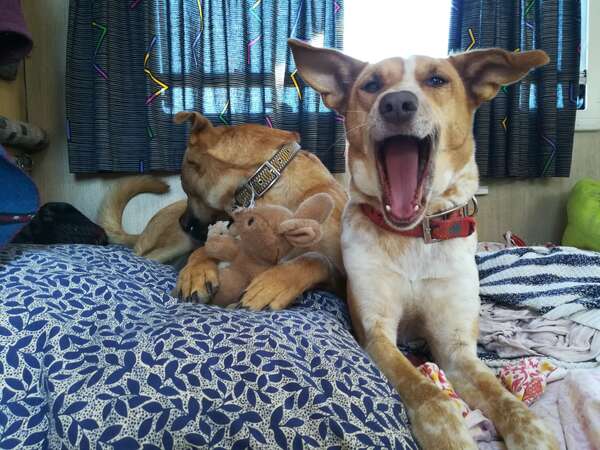
House Sitting Etiquette Every Traveller Should Know
House sitting in Spain is a wonderful opportunity, but it comes with responsibilities that ensure a positive experience for both the house sitter and the host. Feeling a little nervous before your first one? It's okay, no need to get worked up. If you follow the basic rules, you can be sure that the whole stay will go smoothly. Here are some simple pointers for any pet sitter to keep in mind:
1. Leave the place as you found it
It's nice to arrive at a clean and tidy place with fresh towels and bed linen waiting for you, doesn't it? If this is how your hosts welcomed you, make sure they will have the same experience after their journey. Clean up after yourself and the pet, ensure all appliances and utilities are used responsibly, and take out the garbage at the end of your stay. In short, treat your host's home with care and respect throughout your stay. If your hosts have asked you to strip or wash the bed linen before you leave, make sure you do so. Even if they haven't, leaving the bed fresh and tidy is always a thoughtful gesture, especially if they're returning home late.
2. Supply the necessities
If you used up household supplies such as cleaning products, toiletries, or spices, it’s courteous to replenish them or inform the host so they can arrange it. This small act shows respect and appreciation for the host’s thoughtfulness.
3. No guests unless agreed upon
Respect the host’s privacy and rules by not inviting friends or other guests over unless you have explicit permission. If you would like to have a visitor, even for a few days, it's often fine with the house owner. The key point here is to discuss it and get consent in advance.
4. Report any damages
Accidents happen, but it’s important to be transparent and notify the host immediately if anything breaks or goes wrong. Even if it's something small, like a chipped mug or broken plate, it's always better to mention it than hope it goes unnoticed. If appropriate, you can offer to replace or contribute towards the cost, but discussing it openly with your host is usually the best approach.
5. Maintain communication
Keep regular contact with the host, providing updates about the pets and the property. You might think it's obvious that if you're there and haven't mentioned any problems, then everything must be okay. But it's different for the person who’s away. They've entrusted you with their home and beloved pets, so a quick update can go a long way in giving them peace of mind. Send them updates about you and the pets. Confirm if they follow their normal routine and when crucial household tasks are done so the house owner knows you haven’t overlooked anything. And definitely share if the pets have shown you any affection. This sort of update will really reassure the host, letting them know the animals feel at ease with you.
6. Follow the pets’ routines
Every pet is different, and their owner knows them best. Sticking to the feeding, walking and care routine they've shared will help your furry companions feel settled while their humans are away. If you think something needs changing, it's always best to discuss it with your host first.
7. Respect local customs
Especially in smaller communities or rural areas, being respectful to neighbours and adhering to local customs is crucial. Do you like listening to music while working in the garden? Make sure it's not too loud, so no one is bothered by it. And when you get home late, try not to be shouting on your phone. Same goes for the pets – keep them in check. Basically, just be a good neighbor.

What to Know About Pet Care and Emergencies in Spain
We all hope that your first pet-sitting experience will go without any hiccups. As they say, though, it's better to be safe than sorry. Before you settle for relaxed days or even weeks filled with purrs and barks, make sure you are prepared and know what to do if anything unexpected happens. It is also worth reading our guide to staying safe while volunteering in Spain before you travel, so you know what to check before you arrive and who to contact if something does go wrong.
1. Vet contacts for emergencies
Make sure your host leaves you with contact details for the pet's regular vet. However, it's also advisable to have, just in case, a phone number to the nearest veterinary clinic that could be contacted 24 h in case of an emergency. Know how to handle common emergencies such as choking, allergic reactions, or injuries. Some hosts may provide pet first aid kits or instructions.
2. Common pet health concerns
Discuss with the owner common health risks that especially affect outdoor pets. For example, if you travel in the summer months, the animals can be exposed to parasites, such as ticks or sandflies. For detailed information about animal parasites in Spain, check the official website of the European Scientific Counsel (ESCCAP). Use preventive treatments, for example, repellent collars, as advised, and make sure you know how to remove a tick.
In Spain, also, extreme heat can be an issue. First, make sure your pets can always get to water and shade. But before that, chat with the owner about what they normally do when it gets really hot.
3. Pet behaviour
Be attentive to signs of stress or illness in pets and report any concerns promptly. For example, if the pet loses appetite, this might be a sign that something is wrong. Also, changes in their personal hygiene and toilet routine might be an indicator that the pet is in distress. As a first step, turn immediately to the pet owner to discuss your concerns, and if needed, seek immediate veterinary assistance.
4. Language barrier
In big cities and touristic areas, there shouldn't be a problem finding a vet clinic with English-speaking staff. In rural areas, if you don’t speak Spanish, having a translation app or basic phrases prepared can be very helpful when communicating with vets or even the neighbours, who could be your first support in case of emergency.
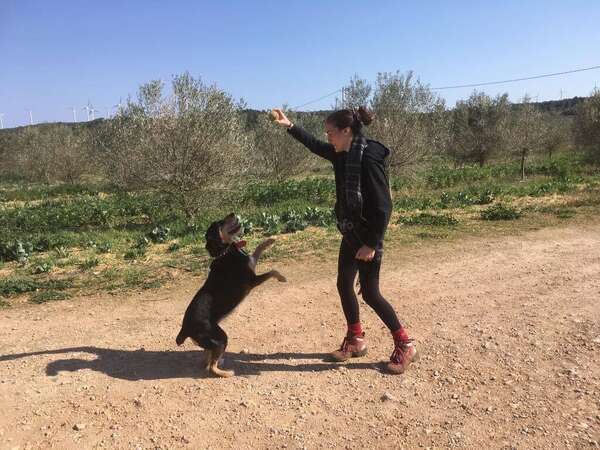
My 3 tips on how to stand out as a pet sitter
Once you secure your first spot as a pet sitter in Spain, the chances are high you will want to do it again. For me, it's become my favorite way to travel right now. So, getting that first review—and all the ones after—to be outstanding is really important.
How to make sure your first host is going to recommend you as the pet sitter everyone wants to have? See three golden rules I always adhere to, which secure me 5-star reviews.
- Be proactive: Is the weather unusually arid and the lawn is getting dry? Offer to water it, even though it wasn't initially a part of your duties. The shower drain is slightly blocked, and you are showering, standing in the water? Don't wait for your host to be back and fix it, unclog it yourself. Little repairs like that, or even pitching in with some extra cleaning, really show you're someone who pays attention. It signals you're not afraid to do a bit more to keep the place looking good, like it's your own home.
- Regular updates: This is really important, and speaking as a pet owner myself, I can't stress it enough. So, how do I handle it? For the first week, I send updates every single day, talking about how the pets and I are settling in and what house tasks I've done. Don't wait for the owners to reach out and ask what's going on. If they have to ask, chances are they're already a bit worried about things back home. And remember that a picture is worth a thousand words. Snap photos and videos of the animals in different situations. Seeing these, the pet owners can feel reassured that their furry children are happy and relaxed.
- Farewell gift: It's a nice touch to leave a small gift when you're leaving someone's home. I often bring some traditional snacks from my country and set them out with a little note. If you're up for it, you could also gather some wildflowers or bake some cookies. It's not something you have to do, of course, but it's a thoughtful way to show you appreciated their hospitality and leave them with a good memory of you.

Best Places in Spain for Pet Sitting Opportunities
Spain's various regions offer endless options for pet sitting, and it's just literally up to you where you would like to go. It's better not to narrow your preferences to one city or region, as this would make it more difficult for you to secure a spot. Think about it differently: what kind of weather do you prefer? And what do you actually want to do when you're not looking after pets?
This breakdown should give you a clearer idea of what sort of place might be best for your first pet sitting assignment.
Cat & dog sitting in Barcelona or Madrid for a big city vibe
Picture yourself throwing a ball for your canine companion in Madrid's El Retiro Park, wandering through Barcelona's Art Nouveau streets, or relaxing at a dog-friendly café after a morning walk. If you enjoy museums, galleries, great food and the energy of city life, destinations like Barcelona, Madrid, Valencia, Málaga and Seville could be the perfect fit.
→ Check pet sitting opportunities in Barcelona
Vacation pet sitting in Costa del Sol for beach lovers
Would you like to combine pet sitting with sunbathing or just some time on the beach? Costa del Sol, with cities like Málaga, Marbella or Nerja, guarantees warm and sunny days from spring till late autumn. Check which beaches allow dogs, and there are quite many along the coast, so you won't have to leave your furry friend behind.
Or if you end up cat-sitting, since cats usually can be left alone for a few hours, this means more opportunities for you to hit the beach and relax. The main thing is to stick to the pet's schedule and make sure they’re getting all the love and attention they need.
→ Check pet sitting opportunities in Costa del Sol
Travel with pet sitting through Andalusia for cultural immersion
What do you see when you think of Spain? Old windmills and whitewashed villages? Or is it just me? Either way, I can't think of a better place to really dive into unique Spanish culture than Andalusia. You've got incredible museums, historical sites, all those cities filled with delicious aromas, the buzz of conversation, and the clinking of glasses in the tapas bars. On the other side, vast mountainous landscapes; charming villages like Mijas or Frigiliana, and last but not least, over 300 miles of Mediterranean and Atlantic coast.
→ Check pet sitting opportunities in Andalusia

Pet care volunteering in the Canary Islands for the sun all year round
The Canary Islands are a beloved destination for long-term travellers and digital nomads. If you're trying to get away from cold, dark winters, this place off the coast of Africa is pretty much a subtropical dream. And if you're into pet sitting, you'll find chances everywhere. Big islands like Gran Canaria and Tenerife have them, sure, but don't overlook the smaller, cozier ones like La Palma or La Gomera. They're beautiful too, maybe even more so.
The mild weather means you can enjoy outdoor time with the pets year-round. This might be long coastal walks with a dog or lazy hours in the hammock with a cat on your lap. Simply pick whatever suits your activity needs. Many pet sitting opportunities in the Canary Islands mean staying in quiet rural properties, like fincas or eco farms surrounded by palms or banana plantations.
→ Check pet sitting opportunities in the Canary Islands
Pet sitting in Galicia and Asturias for quieter countryside stays
Thinking about a trip to Spain that's a bit different? Maybe somewhere greener, less crowded? You might want to check out the northern parts, like Galicia or Asturias. If you're a pet sitter, these spots could be a good start. They're a nice change from the usual city bustle or packed southern beaches, especially if you like things a bit more laid-back.
It rains a lot up there, which makes the land really fertile. Farming does well, and this means your pet sitting might include, apart from cats and dogs, also tending to farm animals, like chickens, goats, and even horses.
In your free time, you can explore charming small towns and villages, or head to the mountains for a hike. And since it's right by the Atlantic, you've always got coastal walks and fresh seafood nearby.
→ Check pet sitting opportunities in Galicia

Travelling with pet sitting in Spain is quite an experience. You get to see so many different places, from the hustle of cities like Madrid and Barcelona to the sunny coasts or the peaceful countryside. It's not just about looking after a pet, either. You really get to immerse yourself in the local culture – meet people, try the food, experience traditions, and just soak in the scenery. There's a place out there for pretty much everyone, and signing up as a Workawayer is the first step to finding it.
FAQ
Pet sitting opportunities with Workaway aren't usually paid positions. The cultural exchange through our website works as follows: you stay at the host's place for free and take care of their pets and property while they are away. If the host offers a paid position, you will see it clearly indicated on their profile. Paid house and pet sitting gigs are possible, but they don't come up all that often.
To find reliable pet sitting opportunities in Spain, use a trusted platform like Workaway. We've been connecting pet sitters with pet owners for over 20 years, and we offer all the support you need to find the best matching pet sitting opportunity
What are the benefits of house- and pet-sitting with Workaway?
- Wide range of opportunities -Hundreds of hosts across all continents.
- Every profile reviewed by a human - Our team manually verifies every new Workawayer and host profile before they are listed.
- 24-hour support for members - Our 24/7 email support team is here to answer your questions and offer advice to help resolve any issues.
- Workaway Emergency Help - We also offer assistance with emergencies when a host fails to fulfill their commitment.
- 99.7% response rate guarantee - Not sure what to include in your profile? No problem. We’re here to provide tips to help you get positive responses from hosts.
- Community feedback— Reviews are the best source of information about the homeowners.
Simply head to our Find a host section to browse pet sitting opportunities in Spain! Filter the host type to “House & pet sitting," and decide when and where you want your volunteering adventure to start.
Make sure you get the emergency vet contact info from your host. Also, know where the closest 24-hour vet clinic is. If something happens, try to stay calm, listen to your host, and get vet help right away if you have to.
When you're pet sitting in Spain, you'll mostly be looking after cats and dogs. If the host lives out in the country, you might also end up looking after farm animals, like chickens, rabbits, goats, or horses. Just be honest about your experience and only agree to care for animals you're confident handling. If you're unsure, talk it through with your host beforehand so you both know what's expected.
On social media platforms, you will find many relevant groups that allow arranging pet sitting for free. However, if you value the comfort that the community can provide and want more peace of mind, a well-known site like Workaway is a better choice.
The hosts on our website are verified and usually already have reviews from previous pet sitters. As a registered member, you can even contact their previous pet sitters and ask them directly about their experience. We also offer assistance with emergencies when a host fails to fulfil their commitment or simply help in creating an appealing profile, which will secure you a first pet-sitting placement. All of this for a reasonable cost of a yearly registration fee.
The best part? With a Workaway membership, there is no limit on the number of trips, hosts, or projects you’re involved with. You can do both housesitting and volunteering to maximise your skills, experience, and travel funds.

From a young age, Angelina was captivated by faraway lands, spending hours lost in the pages of travel books. When the time came for her to choose a career path, tourism management felt like the right choice.
Nowadays, working as a freelance SEO specialist, she practices slow travel, staying longer in one location to truly connect with people and nature. Seeing baby reindeer, hiking by the midnight sun, and fishing in the fjord—her volunteering with Workaway in Arctic Norway was exactly how she loves to experience new places.
For 10+ years, Angelina has been using her skills and experience to create engaging content for various companies in the travel tech space. Since 2021, she's also been sharing travel insights and discoveries in her blog World-in2-Words.
Share the Workaway idea
14 comments
Join the Workaway community today to unlock unique volunteer experiences and free accommodation with over 50,000 opportunities around the globe.
Join Now