Everything to Know About Staying Safe While Volunteering in Spain
Is Spain safe for travel nowadays? Only a few years ago, concerns about staying safe while volunteering in Spain might not have been on your radar. It’s an advanced economy in Western Europe with quality infrastructure and public transport. Plus, Spain is known for its laid-back, fun-loving people and its tolerance of LGBTQ+ people, so it has to be pretty safe, right?
But then you read news articles about severe wildfires in Spain and France, and anti-tourism protests in Barcelona and Mallorca. Suddenly, visiting the country known for lazy afternoons drinking vermouth and napping might spike your anxiety. Volunteers often spend months immersed in a country, and seeing headlines about these events before your trip will get you going from excited to worriedly searching up information on Spain safety for travellers.
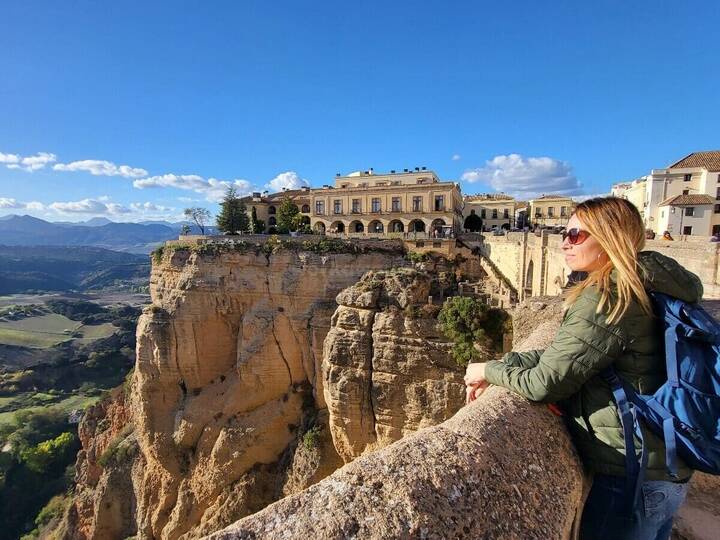
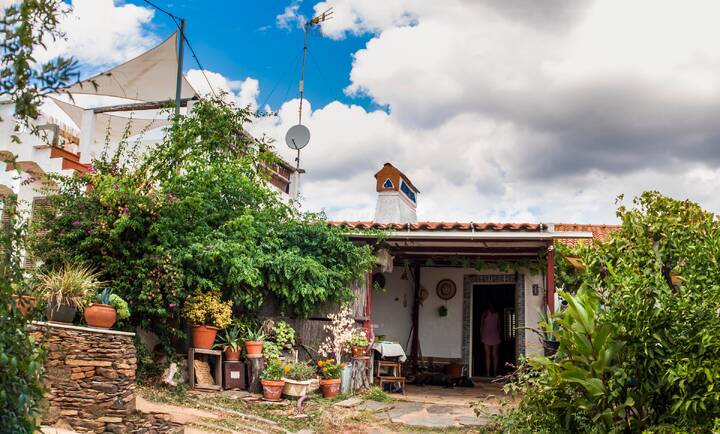
I’ve volunteered abroad in Spain twice as a solo traveller – at a yoga retreat in Andalusia and an English-language programme outside Madrid – and have travelled there extensively since. I’ve researched recent statistics on travel safety in Spain and common scams targeting travellers. Plus, I’ve included my best tips for staying safe while volunteering in Spain, based on my own cultural exchanges, so you can feel confident about signing up for international volunteer programs in the land of sun, sea, and sangria.
Is Volunteering in Spain Safe for International Travellers?
If you're wondering, ‘Is Spain safe for volunteers?’, the answer is yes. Safe volunteering in Spain is achievable with a little preparation and common sense. Tourists are highly unlikely to fall victim to serious crimes or end up in unsafe living conditions, and negative experiences are uncommon.
However, hiding your passport from pickpockets, knowing how to seek healthcare if you become ill, and choosing the safest volunteering opportunities from reputable international volunteer programs can turn a good trip into one you talk about in the pub for years. Women, people of colour, and LGBTQ+ travellers have extra safety considerations too. This guide will tell you everything you need to know about staying safe while volunteering in Spain.
Why Spain Is One of Europe's Safest Volunteer Destinations
Spain is widely considered one of Europe's safest countries for travellers, consistently performing well across international safety rankings and quality-of-life indicators.
In 2026, the Global Peace Index ranked Spain 27th out of 163 countries, ahead of destinations including Germany, Norway, and Italy. Its overall score fell by just 0.1 per cent from 2025.
Spain also performs well across other safety indicators:
- 13.5% of Spanish residents report neighbourhood crime or vandalism, higher than Belgium but lower than the Netherlands (Euronews).
- Spain has the sixth lowest homicide rate in the European Union (Eurostat).
- In 2023, Spain was actually ranked as having one of the lowest theft rates in the EU (Dataestur).
- Spain was ranked the safest country for women travelling solo according to an Everly Life Insurance survey (New York Post).
- Spain also ranked as the top European country for LGBTQI+ rights, laws and policies (ILGA Europe).
Overall, Spain is generally a safe and popular destination for travellers. If you are visiting as a volunteer, you’ll also have the added benefit of staying with a host who can often share local knowledge, recommend trusted places and help you settle into the area more confidently! Below I’ll cover more volunteering abroad safety tips to make sure you are prepared for your adventure.
Is Spain Safe For Volunteers?
Spain is generally considered safe, but as with any trip abroad, remember to always check the latest travel advice issued by your local government before making your way over.
General concerns about travel safety in Spain can range from extreme high temperatures and wildfires during the summer months, to pickpocketing, tourist scams and petty theft in larger cities and tourist hotspots. These risks may exist at home too, but being unfamiliar with the city or not speaking much Spanish can make you more vulnerable, especially if you’re a solo volunteer travelling Spain. Common scams in Spain include someone handing you a flower or bracelet before demanding payment. Others involve fake police officers asking to see your passport or wallet, or distractions such as someone spilling something on you.
To help you blend in, show more cultural awareness in Spain than you generally would at home, use common sense such as keeping your voice down on public transport, avoiding becoming heavily intoxicated in public, and covering your shoulders and knees when visiting religious sites.
If you’re visiting Spain as a volunteer, make sure to respect cultural traditions and pay extra attention to regional customs to avoid potential cultural clashes, especially as you will likely be living alongside locals in residential or rural areas away from main tourist spots. Find international volunteer programs that are reputable and list verified host projects. To begin with, check the accommodation on offer and stay vigilant as you might be sharing your sleeping space with other volunteers, and only participate in activities you are comfortable with, especially when it comes to outdoor volunteer tasks, as well as take plenty of rest and stay hydrated.
Luckily, being a volunteer also means the Spain travel advice your host will be able to give you is up to date and accurate - a clear overview of local customs, what neighbourhoods to visit, and other day-to-day safety precautions. You also have the extra layer of security if you're volunteering abroad, as you'll have a local contact who can provide support, as well as guide you through cultural differences and language barriers to minimise misunderstandings and conflict.
How to Stay Safe in Popular Cities Like Madrid and Barcelona
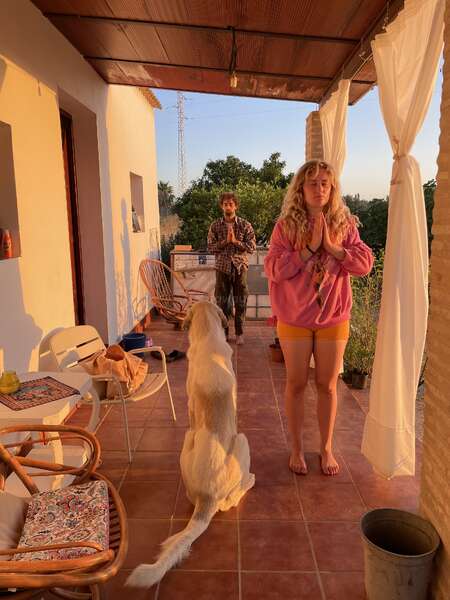
Staying safe in Spain is generally easier in rural areas. Larger cities such as Madrid and Barcelona simply require a little more planning while volunteering in Spain or travelling between cultural exchanges. This is especially important if you are a solo volunteer travelling Spain and visiting the country for the first time! My Spain travel safety tips below will hopefully let you know everything you need for your trip, from how to get around cities to what kind of accommodation works best for solo travellers.
Public transport
The metro is cheap and convenient, but it's also a pickpocket's playground. Wear backpacks on your front, keep valuables secure, and use Google Maps to follow your route so you don't miss your stop. When following directions, I put my phone in my pocket but keep my hand over it at all times.
Hide and lock belongings
One of my favourite money-saving safety tips is hiding a spare debit card inside a sanitary towel packet in your toiletry bag. Keeping essential belongings separate means a stolen wallet won't become a disaster.
I always carry a padlock for my day pack, another for my backpack, and a cable lock for lockers. They’re also handy when you want to nap on long-distance bus or train rides, especially as a solo volunteer travelling in Spain with no one else to help you watch your belongings.
Hostels over short-term rentals
Locals, especially in Barcelona, are increasingly frustrated by short-term rental apartments because they can make it difficult for local people to find affordable housing. Most Spanish cities have tightened laws on short-term rentals, but some property owners still try to circumvent them.
If you are travelling with your new volunteer friends between exchanges, it can be tempting to save money by staying in an apartment together. Opt for a hostel dorm instead, where your biggest threat is a snorer rather than a disgruntled neighbour.
Drink responsibly
It’s totally fine to sample the local libations – I’m partial to a tinto de verano myself – but be street smart if you want to travel safe in Spain. As with any big city, drink spiking can happen, so never leave your drink unattended.
Acquiring and sampling other substances may be common among some travellers, but it’s obviously not recommended. Plus, if your volunteer host finds out you’ve been partaking of illegal drugs, your exchange will probably be terminated. Receiving a terrible review and being asked to leave your accommodation immediately are also real possibilities.
How to Choose Safe Volunteer Opportunities in Spain
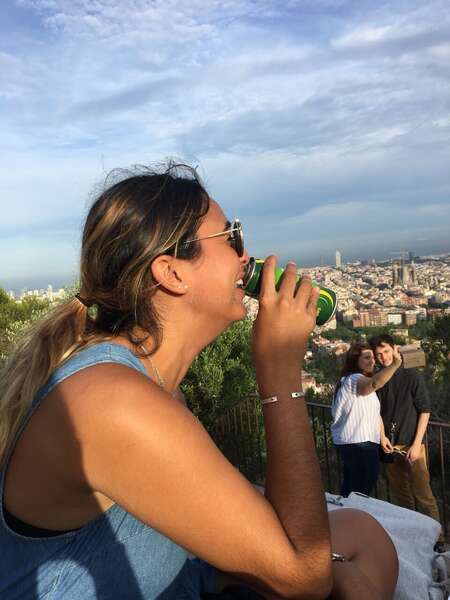
Picking olives in Andalusia, English lessons in Madrid … There are so many fantastic opportunities for volunteering in Spain safely!
If you’re not sure where to begin, I have some advice for finding and selecting the best, safest cultural exchanges around the country, and how to volunteer abroad safely wherever you visit.
Consider location and accommodations
Volunteer accommodation safety is of the utmost importance especially when you’re travelling to a new place by yourself. That being said, what is “safe” for one person may not feel safe to someone else. One person who wants to experience solo volunteer travel in Spain might be completely comfortable taking a four-hour bus to a tiny hilltop town and sleeping in a canvas tent. That might sound perfect!
For another person, being stranded alone in the countryside rings alarm bells. Some remote places in Spain use septic tanks, and the drinking water might not be suitable, so those are things worth keeping in mind.
Outdoor tasks in hot weather
One of the reasons picking olives is such a great volunteering opportunity in Spain is because the harvesting season runs from October to February. Helping out on a farm, assisting with gardening, or getting involved in other outdoor activities during the summer months is not for the faint-hearted – literally. Those from cooler climates unused to the heat might be putting themselves at risk.
Always have more sunscreen – at least SPF 30 – than you think you need. Wide-brimmed hats and UV-blocking shirts might not be your style, but neither is painful, peeling sunburn. Pack electrolyte sachets and drink plenty of water. Don’t be afraid to ask your host if it's possible to complete outdoor activities early in the morning or later in the day, or take a break if you feel unwell.
Good hosts will have already planned around the weather! These are simple but effective volunteering abroad safety tips that can make a big difference during the hotter months.
Read reviews from other volunteers
Before confirming any volunteer exchange, remember to look into feedback from previous volunteers who have stayed at the project. This is often the best way to get honest and unbiased feedback on what the exchange is really like – from details your host might have left out or accidentally missed on their profile, to communication with the host, how volunteers are treated, even tips on how to get around and fun places to visit on days off. Workaway has the option for you to contact volunteers privately if you’d like more information about their experience, so always try to make use of that - not just for volunteering safely abroad, but also if you need more tips or insights for your trip.
Discuss expectations with your host beforehand
Always ask for clarifications if there is any part of the opportunity that feels unclear to you. It’s not possible to include every single aspect of the exchange on a profile, so it’s worth directly asking the host what your daily routine looks like as a volunteer: details such as the accommodation, meals, costs (if any), just to name a few.
The same goes both ways; let your host know in advance the skills you can offer, the tasks you’re comfortable with completing on your own, and those you need assistance or additional guidance in.
Setting clear expectations on both ends can really help prevent awkwardness and conflicts caused by miscommunication.
Apply through reputable travel volunteer platforms
There are so many benefits to finding volunteer opportunities through Workaway – from deep cultural immersion, ethical and responsible volunteering abroad projects, flexible opportunities to affordable membership fees. There are safety benefits too!
Workaway asks for ID verification from both hosts and volunteers, and profiles that have completed this step display a badge. There is also platform support where members can report dangerous or misleading listings.
Public, transparent reviews from previous hosts and volunteers are a major help when choosing a safe and supportive opportunity. They're especially useful for people of colour, women, LGBTQ+ people, neurodivergent travellers, and others looking for volunteering safely abroad in an environment where they feel comfortable.
Trust your gut
As with travelling in general, if something feels off or if you find yourself in a situation where you don’t feel comfortable when volunteering abroad, trust your instincts. While volunteering often involves stepping out of your comfort zone, there’s an important difference between trying something new and feeling genuinely unsafe. If you ever believe your safety or wellbeing could be at risk, don’t be afraid to remove yourself from the situation and seek support. It's always better to leave an unsafe or uncomfortable situation than stay out of politeness or obligation.
Safety Tips for Solo Travellers Volunteering in Spain
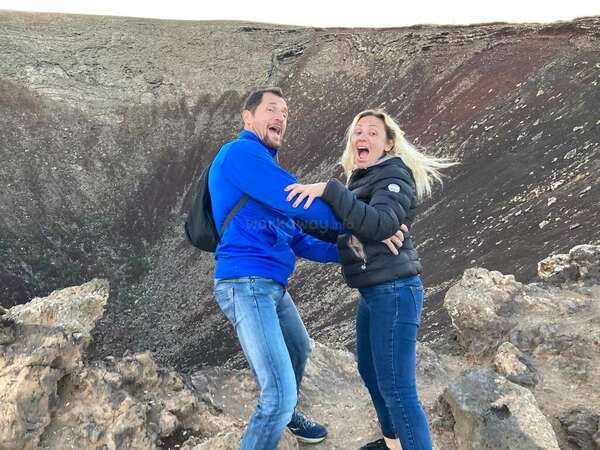
Volunteering in Spain as a solo traveller, without a partner or friend, was my experience on both occasions. They were both incredibly rewarding experiences! But there are extra considerations when volunteering safely abroad as a solo traveller. Here are some of my top volunteer travel tips.
Give someone a copy of your itinerary
Spontaneous travellers will hate this, but distraught family members of missing travellers post in Facebook groups all the time. Writing down your itinerary and giving it to your parents or a friend back home means that if you lose your phone and don’t message back, they can help emergency services or your embassy establish your last known plans more quickly. Just giving them your accommodation details is better than nothing.
Meet someone? Ask for their passport
I actually met my now-husband while he was travelling through Spain and Italy, and I remember asking him for a photo of his passport so I could send it to my best friend. Spain is a romantic country that’s easy to get swept up in. Having that information made me feel better, knowing that he was who he said he was because he handed it over without hesitation.
Never, ever leave your valuables
Want to go to the bathroom in a coffee shop? Need to check the bus timetable but don’t want to lose your seat in the station? Sorry, you’ll need to take everything with you rather than risk losing everything. It’s really annoying to lose your spot in a busy café, but far more annoying to buy a new laptop.
Sometimes a white lie is the safer option
People in Spain can be extroverted and extremely friendly. It’s one of the best things about visiting! But solo travellers, especially women, can sometimes attract unwanted attention. You don’t owe the overly confident man on the metro with five shirt buttons undone your life story just because he asked. There's no obligation to share personal information with someone you've just met. Keeping some details private is a sensible way to protect yourself while travelling.
That said, it's best to be open and honest with your host and fellow volunteers because trust and clear communication is an important part of a successful cultural exchange. If there is something you are unsure about disclosing, mention it to your host before you book your trip to gauge their response. Even better, include it in your profile.
Save money for emergencies
By Spanish law, non-EU/EEA and Swiss residents must have €122.10 per person per day in an accessible bank account, with a minimum total of €1,098.90 per person regardless of the length of their stay. Border control agents can ask to see evidence.
Regardless of the law, it’s a good idea for travellers - especially solo volunteers travelling Spain - to have cash squirrelled away for emergencies. Whether you need to switch hostel dorm rooms in Seville or book the next bus out of Valencia, savings can help you leave a potentially unsafe situation. Having an emergency fund is one of the most overlooked aspects of safe volunteering abroad. Our guide to the cost of living in Spain gives a realistic picture of what to budget for day to day, which makes it easier to judge how large that emergency fund needs to be.
What to Do Before Travelling to Spain as a Volunteer
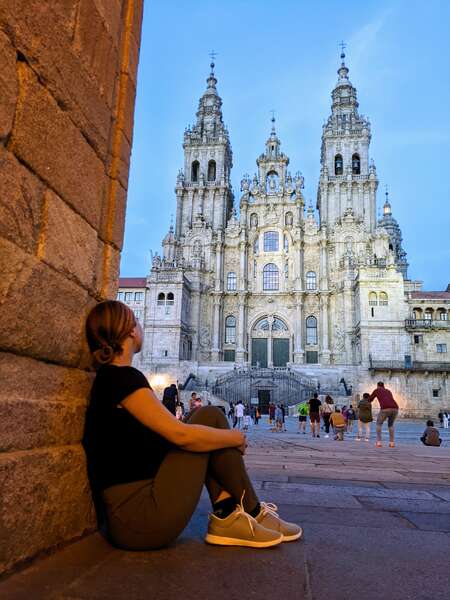
You’ve found a volunteer opportunity in Spain that sounds awesome. The host has confirmed your trip. How else can you prepare to ensure that volunteering in Spain is as safe and enjoyable as possible?
This is my pre-departure checklist for travel safety in Spain when volunteering abroad:
- Invest in sun, health, and general safety gear: Sunglasses, sun hats, sunscreen, padlocks, and a packable first-aid kit are essential.
- Learn basic Spanish: Greetings, basic directions, and common questions will go a long way.
- Make copies of essential documents: I always travel with physical photocopies of my passport and digital copies of my passport, driving licence, and other important documents on Google Drive.
- Don’t pack expensive accessories: Pickpockets would love your grandma’s gold ring, the watch you got as a graduation present, and your limited-edition Nike Airs.
- Purchase travel insurance: Long-term travel insurance for volunteers is available on platforms such as World Nomads, Genki, and SafetyWing.
- Research volunteer abroad safety tips: Apart from general Spain travel advice, also read up on online resources, find a volunteer project through legitimate international volunteer programs, and discuss the details of your volunteer tasks with your host beforehand. Being well-informed is essential for volunteering overseas safely!
- EU citizens should bring their EHIC: A European Health Insurance Card gives eligible travellers access to medically necessary, state-provided healthcare in other participating countries, so eligible people would be crazy not to get one.
- Register with your embassy: As I said, everyone’s idea of “safe” is different. If you're travelling abroad solo for the first time, sharing your travel plans with your embassy may give you extra peace of mind.
FAQ

Rebecca is a Brit who caught the travel bug while spending a summer as a camp counsellor in the US. She quit her office job in 2017 to grow her film tourism blog and freelance writing career. During this time, she volunteered at a yoga retreat in Spain, a Buddhist centre in England, and hostels in the Isle of Skye and Edinburgh via Workaway.
After moving to Belfast and completing an MA in creative writing, she emigrated to the US in 2025 and wrote the guidebook 111 Places in Salt Lake City That You Must Not Miss. One of Rebecca's favourite travel memories is replying to love letters as Juliet's secretary in Verona, Italy.
Share the Workaway idea
6 comments

Join the Workaway community today to unlock unique volunteer experiences and free accommodation with over 50,000 opportunities around the globe.
Join Now