

Volunteer in Spain


Volunteer and work in Spain - join our community
Voluntary work in Spain through Workaway offers a unique blend of adventure and tranquility with the chance to contribute to meaningful local projects. Travel more affordably, with accommodation and meals often included in exchange for a few hours of help each day. It’s a practical way for gap year travellers, digital nomads, retirees, Spanish learners, animal and nature lovers, and longer-term or budget travellers to experience cultural immersion, improve their Spanish, and explore different parts of the country.
As the world’s leading community for volunteering and cultural exchange, Workaway connects volunteers with friendly Spanish locals. We’ve spent over twenty years bringing together hosts across Spain with travellers from all over the world. Here, we share what we’ve learned to help you compare the main types of volunteering programs and regions in Spain, understand seasonal options, costs, and visa requirements, and choose just the right host for you.
Workaway in Spain: volunteer programs and host families


How to find volunteer and working holiday opportunities in Spain

Create a great profile, we will verify you within 24 hours

Contact your favourite hosts, discuss your stay and what is expected in return

Discover new cultures, friends, places and skills
Why volunteer in Spain

Learn Spanish
Spanish is the second most widely spoken language in the world, with over 460 million native speakers. It is the official language in 21 countries, including Argentina, Colombia, Costa Rica, Mexico, Peru, Chile, and you’ve guessed it… Spain!
Volunteering with Workaway is one of the best ways to learn Spanish, and you can even take a Spanish course as part of your volunteer experience to improve communication and interaction skills.
Speaking Spanish tends to clear a path for professional opportunities, given how widely spoken it is globally. And think of the depth it adds to your travels. Stop looking at things from the outsider’s perspective. Instead, start conversations, make genuine connections, and pick up on the authentic local vibe.

Beach Culture
Craving some sunshine, sand, and salty air? Whether it’s the Mediterranean or the Atlantic Coast, from Costa de la Luz to Mallorca, Spain offers some of the most beautiful beaches in the world. And let’s not forget the Canary Islands with that endless blue horizon that makes you want to dive right in.
Maintaining these stunning environments takes time and effort, which means there is a demand for volunteers who want to celebrate the sea through environmental projects, surf camps, boating and sailing, marine conservation, and more.
It does not really matter if you have years of diving experience or just a genuine interest in the underwater world. You will likely find a way to get involved in meaningful projects.

Art Everywhere
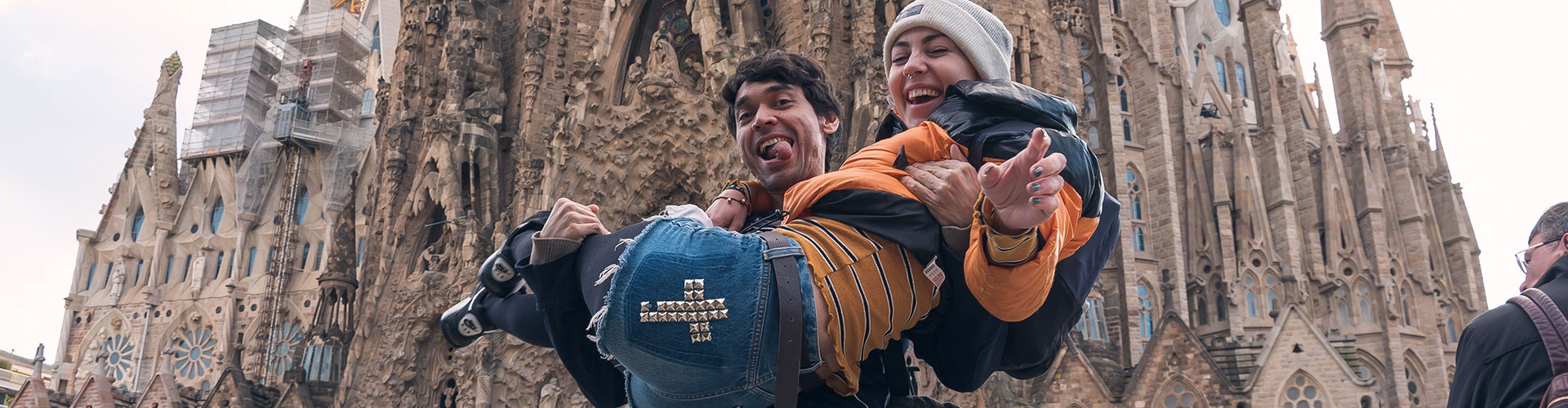
SO many world-famous artists come from Spain. You’ve likely already heard of the genius works of Antoni Gaudí, whose iconic works are dotted all over Barcelona, including La Sagrada Familia, Park Güell, Casa Milà, Casa Batlló and Colonia Güell.
However, Spain is incredibly inspiring for budding artists, as Pablo Picasso, Salvador Dalí, and Francisco Goya also called this incredible country home. If you’re the creative type, you won’t struggle to find community projects, schools, and even hostels that need your artistic flair to help flourish. This is your chance to leave a lasting impact on the vibrant cultural landscape of Spain.
Even those with basic English can participate in creative volunteer projects. Looking at things this way, nothing is stopping you from spreading your creative wings!

Taste Traditional Tapas
Between plates of pimientos de padrón, tortilla de patatas, gambas al ajillo, and maybe a few croquetas, it is easy to wonder which tapa is actually the best. Do you have a favorite yet? If not, a volunteer stay in Spain will likely help you settle the debate.
Spanish cuisine is renowned worldwide thanks to traditional treats such as paella, gazpacho, and obviously tapas, all paired with sweet sangria.
With Workaway, you don’t just get to eat like a local, but you can learn how to cook like a local too. Especially if you choose a homestay or farmstay experience. By sharing a roof with a local family, their daily routines become part of your own schedule and give you a true taste of daily Spanish life.

Diverse Culture
Spain is a melting pot of cultures, historically influenced by Greeks, Romans, Arabs, and Moroccans. You will find those influences in the architecture, such as a Roman amphitheatre in Tarragona or the Moorish Alhambra palace in Granada.
Flamenco pulls its soul from Gypsy, Moorish, and Jewish musical traditions, blending the history of the entire peninsula. Even the food on your plate has a history that stretches back further than you might expect.
This makes Spain an ideal place for cultural exchange and participating in volunteer programs. Immerse yourself in fascinating traditions, learn from diverse backgrounds, and experience daily life in a unique way.
Engaging in volunteer work in Spain can also lead to personal growth, helping you gain new skills, make international friends, and find fulfilment through helping others.
What recent volunteers say about their Workaway in Spain
There are 14167 reviews for 500+ Hosts and organizations in Spain.
500+ Hosts in Spain were rated at least 4.9/5!
Best time for work exchange in Spain
| Climate table for Spain | Jan | Feb | Mar | Apr | Mai | Jun | Jul | Aug | Sept | Oct | Nov | Dec |
|---|---|---|---|---|---|---|---|---|---|---|---|---|
| Max. temperature in °F | 59 | 61 | 64 | 66 | 72 | 79 | 82 | 84 | 79 | 73 | 64 | 61 |
| Min. temperature in °F | 45 | 45 | 48 | 50 | 55 | 63 | 66 | 68 | 64 | 57 | 50 | 46 |
| Sunny days per month | 5 | 6 | 6 | 7 | 8 | 9 | 10 | 9 | 8 | 6 | 5 | 5 |
| Rainy days per month | 6 | 6 | 5 | 6 | 6 | 4 | 3 | 4 | 5 | 7 | 6 | 7 |
| Water temperature in °F | 59 | 59 | 59 | 59 | 63 | 68 | 72 | 75 | 73 | 70 | 64 | 63 |
The table shows average values based on climate data for Santander, Madrid, Barcelona, Mallorca and Gran Canaria
Spring (March-May): A good time to volunteer in most parts of Spain. The weather is pleasant and mild, usually around 59°-68°F (15°-20°C) in the north (like Galicia and the Basque Country) and up to about 68°-77°F (20°-25°C) in the south (like Andalusia). The conditions are perfect for outdoor work, such as helping in developing permaculture projects or planting trees. Spring is also a good time for city-based projects, for example, in Barcelona or Valencia.
Summer (June-Aug.): Summer months get much hotter, especially away from the coast, and in the south. Places like Madrid, Andalusia, and the Balearic Islands can get over 95°F (35°C), which makes doing physical tasks tough. Along the northern coast, it's warm but not as extreme, usually around 77-86°F (25°-30°C). These northern coastal spots, along with the Canary Islands, are great for eco and gardening projects. Since summer is also when most tourists visit, helping out in hostels in cities like Barcelona can be busy but fun.
Fall (Sep.-Nov.): The weather cools down again, making it one of the best times to volunteer all over Spain. Temperatures drop to values similar to spring, with September still pretty hot—above 77°F (25°C), especially in the South. This season is perfect for farm work, especially during harvest time in regions like Valencia and Andalusia. It's also good for teaching or helping out in communities, as schools are open and the weather is still pleasant enough for outdoor activities.
Winter (Dec-Feb.): The weather really depends on where you are in Spain. Southern areas and the Balearic Islands have mild winters, with an average daily temperature of around 59°F (15°C). In the Canary Islands, you can count on a pleasant 68°F (20°C). This means you can do marine conservation and outdoor volunteering there all year. But in the north and inland, like Madrid, Galicia, and the Pyrenees, it gets colder, usually 41-50°F (5-10°C), and you might even see snow in the mountains. Winter is a good time for indoor volunteering, like helping with animal welfare or social programs.
Workaway impressions from Spain


Where to volunteer in Spain
- Andalusia (500+ )
- Aragon (55 )
- Asturias (95 )
- Basque Country (37 )
- Canary Islands (180 )
-
Cantabria
(39 )
Santander
- Castile and León (45 )
- Castilla la Mancha (22 )
- Catalonia (379 )
-
Extremadura
(29 )
Badajoz, Merida
- Formentera (4 )
-
Galicia
(132 )
Vigo, La Coruna, Ourense, Santiago de Compostela
- Ibiza (22 )
-
La Rioja
(10 )
Logrono
- Madrid (70 )
- Mallorca (79 )
- Menorca (10 )
- Murcia (41 )
- Navarre (18 )
- Valencian Community (229 )
Workaway’s top regions in Spain

Catalonia
Catalonia's vibe is lively and diverse, mixing the cosmopolitan buzz of Barcelona with the tranquility of its natural landscapes. Visit Sagrada Familia, Park Güell, and the Gothic Quarter in Barcelona, and end the day with a glass of cold vermouth on La Rambla.
Moving away from the metropolis, the Montserrat mountain range offers some solid hiking, while charming Girona feels perfect for a relaxed stroll. Leave some space in your calendar for local festivals like La Mercè in Barcelona or La Patum de Berga and some lazy days on the beaches of Costa Brava.
Around Barcelona and beyond, volunteers often join sustainable farms, artistic retreats, and countryside renovation projects. A typical day for someone volunteering might involve tending to a garden overlooking the mountains before heading off to a hidden cove by the coast. It’s the best way to discover parts of the region that do not always make it into the brochures.

Andalusia
There is a certain poetry to Andalusia. No wonder Cervantes chose it as the background for the adventures of Don Quixote. Your trip to this region can be equally inspiring.
Walk the Caminito del Ray overlooking the impressive gorge, and hike the Sierra Nevada mountains, where snow often covers the peaks. Then uncover the layers of history and the various cultural influences in the Alhambra in Granada, the Mosque-Cathedral in Córdoba, or the Roman Theatre in Malaga.
Now we add to it iconic whitewashed villages, long beach days on the Costa del Sol, and friendly hosts who welcome volunteers into family homes, rural fincas, and small guesthouses. It becomes clear why Andalusia is so often chosen as a destination for volunteer work.
Many Workawayers come for the sunshine and stay for the relaxed lifestyle of southern Spain—helping in gardens, cooking shared meals, experiencing off-grid living, caring for animals, or joining creative community projects tucked away in the mountains.

Galicia
Galicia could be described as a quiet and deeply connected to nature side of Spain, with diverse landscapes shaped by rain-washed hills and the steady pulse of the Atlantic. Think misty forests, stone villages, wild coastline, and a strong sense of tradition. It is also the final destination for many pilgrims on the Camino de Santiago, adding spiritual significance to the region.
Wander down rugged paths by the sea or lush forest along Fragas do Eume trail, share a meal of fresh seafood with locals, have a glass of Albariño wine, and visit Santiago de Compostela with its massive cathedral linked to Saint James and the pilgrimage tradition.
Many hosts in Galicia focus on permaculture, eco projects, animal care, and restoring old homes in the countryside. You could also simply pet-sit or do some gardening in beautiful, quiet surroundings. The experience tends to feel grounding — simple in the best possible way.

Valencian Community
This part of Spain has become a favorite for volunteers looking for balance — Mediterranean beaches, affordable towns, and a welcoming atmosphere that makes it easy to settle in for a while.
Explore the futuristic architecture of the City of Arts and Sciences and the historic Plaza de La Virgen in the region’s capital.
Food is naturally a big part of the experience here, especially since this region is the actual home of paella. Take a trip to Mercado Central to taste some local flavors.
If the city starts feeling too crowded, head off to Sierra Calderona Natural Park. Take a bike ride along the Costa Blanca or spend the day on the beach for a more laid-back pace.
Hosts in Valencia often look for help with organic gardens, pets, family life, and small hospitality projects. It’s the kind of place where mornings can start with coffee under orange trees and end with shared dinners that stretch late into the evening.

Canary Islands
Each of the Canary Islands feels like a completely different world, and we have volunteering opportunities on nearly all of them! Do you prefer to be closer to the lively digital nomad hubs in Las Palmas or the surf spots in Corralejo? Or maybe you choose a family finca surrounded by banana plantations in La Gomera.
The archipelago offers much more than just a typical beach holiday. There are plenty of options if you like to stay active: hiking, with well-known routes like Roque Nublo or Masca Gorge, paragliding, exploring volcanic caves, or stargazing. And the more relaxed side of the Canaries reveals itself when one walks through historic towns or visits food markets, wineries, or local festivals.
In the Canary Islands, volunteering feels tied to the outdoors almost year-round. Workawayers often help in eco-lodges, hostels, off-grid homesteads, and community gardens surrounded by volcanic landscapes and ocean views. It’s hard not to slow down in this peaceful, subtropical paradise.
Last minute volunteer opportunities
Here you will find 46 last minute opportunities for volunteering in Spain from Hosts that have indicated that they require help immediately.

Registering as a Host
Registering as a host with workaway.info is completely free of charge.
Workaway.info has been set up to promote and encourage exchange and learning. Hosts on Workaway should be interested in cultural exchange and sharing experiences. They should be able to provide a welcoming friendly environment for visitors as well as offering accommodation and food.
Register to be a hostTypes of volunteer and working holiday opportunities available in Spain

Family (500+)

Au Pair (294)

Individual (178)

Farmstay (130)

House & pet sitting (59)

Sustainable project (58)

Yoga (38)

Community (36)

Other (36)

Animal welfare (34)

NGO (33)

Hostel (6)

Surfing (3)

School (1)


FAQ: All you need to know about volunteering in Spain
Sure! Work exchange in Spain truly welcomes just about everyone. Whether you are a solo backpacker trying to find a travel buddy, recently retired, setting off on a grown-up gap year, or seeking a brief or a deeper, long-term adventure, there's likely a place for you. Plus, it’s an excellent choice for those who prefer warmer, sunny weather, making your volunteering experience even more enjoyable.
Volunteering in Spain is mostly recommended for:
- at least 18-year-olds
- gap year students
- career breakers & retirees
- digital nomads
- budget & long-term travellers
- nature & animal lovers
- Spanish learners
- yoga, surfing & outdoor enthusiasts
- eco-conscious travellers
Travelling abroad brings up fixed costs, such as flight tickets, insurance, or any kind of personal expenses. You can’t avoid those, but you can surely cut out expensive agency fees. Volunteering with Workaway means paying only a registration fee. If you are wondering if there are any free or low-cost volunteer programs in Spain, this is exactly what Workaway offers to you.
Most hosts on our platform provide free accommodation in exchange for a few hours of help each day, making it an affordable way to travel and experience the local culture. Through Workaway, the model works simply: contribute 20-25 hours weekly (typically 4-5 hours daily) and receive lodging and meals at no cost. No program fees charged by hosts—the exchange is direct.
Are you interested in volunteering in Spain with accommodation? The options for volunteers can include shared rooms with other volunteers, staying with a host family for cultural immersion and support, or dormitory-style hostels, depending on the program. What’s provided varies by host but eliminates your largest travel expense. Some programs or hosts may require a minimum duration of stay, so be sure to check the requirements before applying.
Compare this to program fees for volunteering in Spain through agencies, which can vary widely, with some programs charging around $790 for a week, while others may exceed $1,300 depending on the type of work and included services. The Workaway model eliminates these intermediary costs entirely!
Work exchange with Workaway usually means your accommodation costs are covered, and meals are often included. This whole setup cuts down on what you'll be spending overall, so you can put your money towards the following:
- Flights to Spain—for flights within Europe, if you go with budget airlines, you should be able to manage the flight ticket for under $300 with the registered luggage included. The actual price can, of course, go lower or higher, depending on your starting point, destination, and the time of year. The same applies to the overseas flights, but if you're traveling to Spain from the US or Australia, you'll want to brace yourself for bigger spending, starting from $500-$700 for a round trip.
- Travel and medical insurance—If you want peace of mind during your volunteering adventure—and who doesn't?—insurance is essential. It covers you for unexpected medical expenses, trip cancellations, or other things you just can't plan for. For most volunteer trips, you're probably looking at spending somewhere between $50-$150 for that kind of coverage. Here you can find some tips and a comparison of travel insurance providers.
- Daily personal expenses—these also include transportation and leisure activities. Given that Spain is generally more affordable than many Western European countries, such as France and the UK, volunteers typically spend between $20 and $40 per day on these extras. See question: Is Spain expensive to visit? for an overview of typical Workawayers' expenses.
Keep in mind that program fees charged by agencies can range from $790 to over $1,300 per week, so using Workaway’s direct exchange model (check the current registration fees) offers great savings and flexibility.
The visa you need depends on your nationality, the passport you hold, the length of your stay and your planned activities in Spain.
- EU/EFTA citizens can generally travel, live and volunteer in Spain without a visa under freedom of movement rules.
- Non-EU nationals should check the visa requirements that apply to their nationality and circumstances before making travel plans. The official Spanish immigration guidance can help you determine which visa or permission you may need.
As with any international trip, it's your responsibility to ensure you meet the immigration requirements for your destination before travelling. We recommend checking the latest visa and entry requirements well in advance of your trip via the official EU Immigration Portal for Spain.
We feature detailed reviews from previous volunteers on each host profile. With hundreds of thousands of reviews globally and thousands of Spain-based hosts, feedback typically includes honest assessments of accommodation quality, work expectations, host communication, and overall experience.
Additionally, as a signed member, you can contact other volunteers to ask them about their experience with a specific host.
For another perspective, feel free to look at our Trustpilot reviews; customers there have rated us an average of 4.6 out of 5.
English speakers can actually find lots of different volunteer opportunities through Workaway in Spain, even if they don’t speak fluent Spanish. Many of the hosts are specifically looking for international travelers, and they’re used to communicating in English.
For those who enjoy the outdoors, many projects involve hands-on tasks like farming, gardening, or caring for animals on rural properties. Many hospitality roles are available, especially along coasts and on islands. English speakers often complete paid working holidays in hostels, guesthouses, or surf camps, assisting with guest services, room prep, or daily activities. If you like working with people, Spanish families often seek help with childcare, language practice, and cultural exchange.
Confident English speakers are particularly valued for helping kids learn conversational English informally. Creative and community projects are also common. Hosts might need help with things like photography, social media, art, or DIY tasks. Others simply look for friendly people to share daily life and meals with.
Are you a student hoping to keep your travel costs down? Through our platform, you can often get a free place to stay, which is usually the most expensive part of a trip, just by helping out for a few hours each day.
If you choose rural spots like inland Andalusia, Galicia, or some charming small towns in Valencia, your money will stretch much further than it would in pricey cities like Barcelona or Madrid. Plus, many hosts even include meals, so you won't have to worry about buying food.
What if you're not looking for a long trip? You can also pick shorter stays that still offer a fantastic experience without eating up too much of your cash.
And if you're traveling solo, Workaway is a great way to meet other travellers you click with, making your adventure even more fun and social.
- Local festivals: Participate in vibrant local festivals such as Semana Santa (Holy Week) in Seville, Feria de Abril, or La Tomatina tomato fight in Buñol. It's a fun way to get a feel for the culture, see traditions up close, and just sort of blend with locals.
- Hiking and Outdoor Activities: Explore hiking trails along the Costa Brava, take nature walks in national parks such as Ordesa y Monte Perdido or Picos de Europa, or trek the stunning Pyrenees Mountains in northern Spain. Go on outdoor adventures like horse riding in Andalusia, mountain biking, kayaking, or rock climbing in various regions of Spain.
- Art & Architecture Tours: Visit architectural marvels like Gaudí’s Sagrada Familia and Park Güell in Barcelona, the Alhambra palace in Granada, or world-class art museums such as the Prado in Madrid and the Guggenheim in Bilbao. Spain is a perfect destination for creative, artistic souls who enjoy long talks about art and different ways of expression over a glass of red wine.
- Tapas and Culinary Experiences: Taste traditional tapas in cities like Malaga or San Sebastián, known for its lively tapas and pintxos bars, or savour paella in Valencia. Join cooking classes and learn to prepare authentic Spanish dishes so you can recreate those delicious memories back home.
- Water Sports & Beach: Take advantage of nearly 5000 miles of the Spanish coastline! Practice your surfing skills or try snorkelling or scuba diving. If you prefer relaxing on the beach and soaking up the sun, you are never really short on options either. Between the Atlantic and the Mediterranean sides, with the Canary Islands on top of that, you're sure to find the perfect spot for a day at the beach.
- Cultural activities: Enjoy wine tasting in one of the vineyards in Rioja or Ribera del Duero, join flamenco dance classes in Sevilla or salsa lessons. Explore bustling local markets such as Mercado de San Miguel in Madrid or La Boqueria in Barcelona, or walk parts of the historic Camino de Santiago pilgrimage route—a journey that offers a unique spiritual and cultural experience.
For more inspiration, read our article about the best places to visit in Spain for travellers and volunteers.
If you're going to do volunteer work in Spain, it's really smart to get health insurance for your entire trip. If you're from the EU, you can usually use Spain's public healthcare if you have a valid European Health Insurance Card (EHIC). But if you're not from the EU, you'll generally need good private health insurance before you even get there.
Check our tips and the comparison of insurance providers.
Spain has good healthcare, but without insurance, medical bills can quickly get expensive, especially if it's an emergency or you need to see a specialist. It's a good idea to check exactly what your insurance policy covers before you leave, like accidents, hospital stays, and even getting you back home if something serious happens.
Spanish is the official language, but there are also regional languages like Catalan, Basque, and Galician.
If you're volunteering in communities or rural areas, knowing Spanish will make your experience much smoother, helping you get more involved in daily life and local communities, do your role better, and experience a new culture.
However, English is often enough, especially for working holidays in places like international hostels, marine conservation, or teaching English, where people often prefer native speakers.
Spain generally falls somewhere in the middle when it comes to travel costs in Western Europe—more affordable than the UK, France, or Switzerland, but with significant regional variation. Main cities, such as Madrid or Barcelona, as well as the Balearic Islands, especially in the summer, tend to be the most expensive. On the flip side, if you head to Southern Spain or explore the rural and inland parts of the country, your money will stretch a good deal further.
For Workaway volunteers, exchange arrangements transform Spain’s cost profile entirely. With your accommodation and meals already taken care of, you mostly just need money for daily personal spending, transportation, activities, and sightseeing.
So how much would that actually cost if you wanted to have a beer or a coffee in a bar, take a train to another city, or book a typical activity? Take a look at the overview of common travellers’ expenses across five cities and islands representing different regions of Spain.
|
City |
Sum |
Cappuccino (Regular Size) |
Domestic Beer (0.5 Liter) |
Bottled Water (1.5 Liter) |
One-Way Ticket (Urban Transport) |
Return Ticket (Intercity Transport) |
Typical Activity |
| Barcelona | $56.35 | $3.15 | $4.00 | $0.90 | $3.30 |
$20 (Train Barcelona to Girona, 68 mi) |
$25 (Park Güell Entry Ticket) |
| Madrid | $54.90 | $3.20 | $4.00 | $1.00 | $1.70 |
$28 (Train Madrid to Toledo, 46 mi) |
$17 (Prado Museum Entry Ticket) |
| Mallorca | $66.70 | $3.20 | $4.50 | $0.70 | $2.30 |
$12 (Bus Palma de Mallorca to Alcúdia, 37 mi) |
$44 (Boat Tour with Snorkeling) |
| Gran Canaria | $64.25 | $2.60 | $3.15 | $0.90 | $1.60 |
$14 (Bus Las Palmas to Maspalomas, 34 mi) |
$42 (Dolphin Watching Cruise) |
| Malaga | $78.40 | $2.80 | $3.40 | $0.70 | $1.50 |
$45 (Train Malaga to Granada, 80 mi) |
$25 (Alhambra Entry Ticket) |
Costs are estimated using data from Numbeo, Renfe, Turespaña, and local transportation operators.
Let’s say you would like to visit Park Güell in Barcelona and grab a coffee before taking a train to Girona. After wandering through the stone streets of its old town, you have a beer in a bar. Staying hydrated is important in a warm Spanish climate, so a stop at the supermarket for a bottle of water is always a good idea. If you carry your own lunch, on a day like this you shouldn’t spend more than $56.
These totals shift depending on the distances you cover and the activities you choose and would typically fall into the $55-$80 USD range. Adding a meal at a budget-friendly restaurant would increase that estimate by $15-$20.
Yes, Spain is generally considered safe for volunteers, as per Turespaña, Spain’s official tourism website. The country has a low crime rate, and most volunteer spots, especially in the countryside, are peaceful and secure.
The main issue travelers might encounter is petty theft in busy tourist areas. Cities like Barcelona and Madrid are known for pickpocketing, especially around public transport, major sights, and crowded streets. It's usually nothing serious, but it's still smart to be careful with your phone, wallet, and bags when you're out.
Most volunteers have a smooth experience in Spain and feel comfortable traveling, living, and working there.
Workaway is a classifieds listing site for cultural exchange, linking up hosts with volunteers, not a job placement agency.
It’s also possible to find a paid placement via Workaway. However, the key point to understand is that you need the right visa and work permits to go to Spain, especially if you plan on working there. Neither Workaway nor the host will sort out a work visa or sponsorship for you. It’s entirely your responsibility to ensure you can legally enter, work and stay in Spain.
The situation is much more straightforward if you are an EU citizen. Once you're accepted for a paid role, you can travel to Spain, having the same rights to work there as any Spanish citizen.