Farm exchange and eco projects in Spain
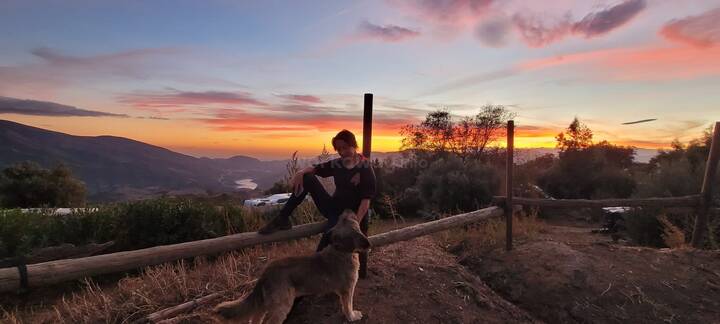
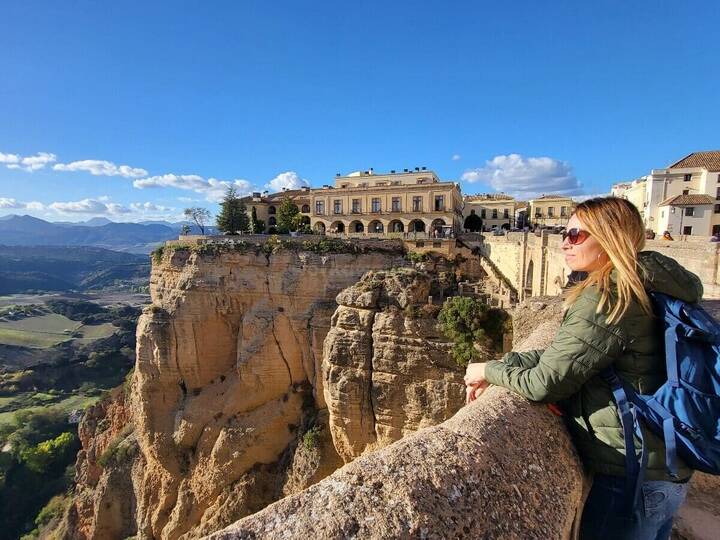
A couple of years ago, I spent several weeks exploring farm volunteering and eco projects in Spain by van. I went from the south, up through the interior, and into the Pyrenees. It showed me a side of Spain I hadn't seen.
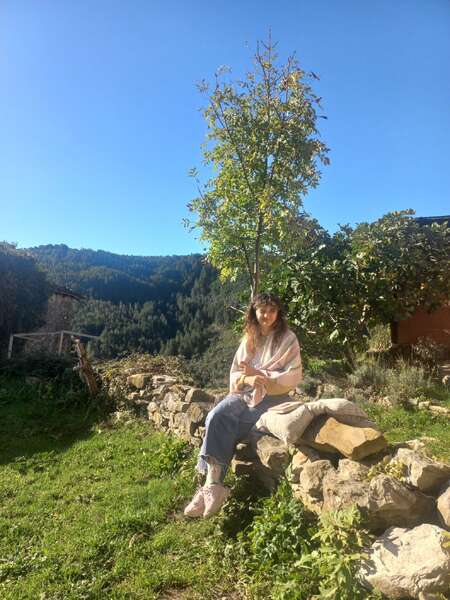
Along the way, I ended up in a small ecovillage tucked into the mountains near Pamplona, where I spent a week.
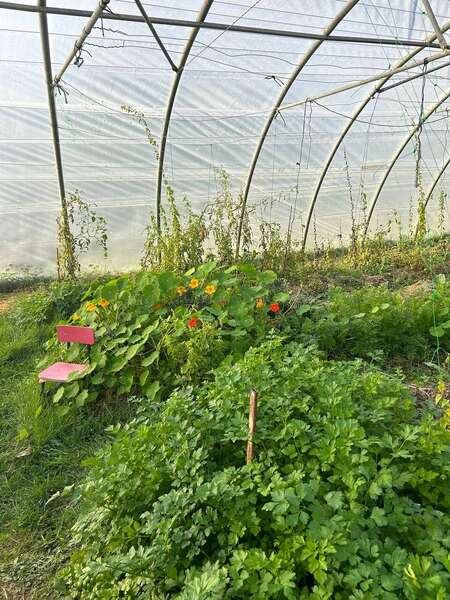
I explored their permaculture gardens, hung around the village bakery (which supplies organic bread across the region), and ate entirely vegan meals made from whatever the community had grown or sourced locally that week. There was barely any signal up there, which honestly took a day or two to get used to before it started feeling kind of nice.
Farm volunteering in Spain often means living alongside a host, picking up skills that have nothing to do with a screen, settling into a slower rhythm of life. If this is something that sounds interesting to you, then keep reading.
This guide covers the practical side of farm volunteering at eco projects in Spain: the types of hosts out there, the best regions, what a typical week looks like, and how to actually find the right fit for you.

How Farm Help and Eco Volunteering Works in Spain
How the Exchange Works
A lot of people who end up here started out searching for something like ‘farm work in Spain.’ A fair place to start, since the day-to-day can look similar on paper: mornings in the garden, helping with animals, pitching in during harvest season.
But at its core, volunteering on farms in Spain works differently. No wage, no employer, no contract. Just an agreement between a host and a traveller for a few hours of help each day in exchange for a place to stay.
Workaway is the main place for finding rural Spain volunteering and a variety of eco projects and hosts you won’t find listed anywhere else.
No Two Hosts Are the Same
You'll find tiny family vegetable patches, seventeenth-century fincas being restored, off-grid communities on solar power, and dedicated animal sanctuaries.
Eco projects in Spain range from small, one-family operations to full ecovillages with dozens of residents, so no two hosts run things quite the same way.
What to Look For
Most listings tell you upfront what kind of help is needed and roughly how many hours a day that involves.
The better ones also give you a sense of who they actually are: a retired couple, maybe a young family, occasionally a bigger community, etc.
That's worth paying attention to since the host shapes the experience just as much as the type of eco project does.

Why Spain Is a Great Destination for Sustainable Volunteering
A Country of Many Climates
Spain's mix of climates is part of what makes it stand out for this kind of travel.
You can be picking olives under an Andalusian sun in November, then a few weeks later be planting vegetables in the damp green hills of Asturias or Galicia.
Few countries in Europe pack in this much variety within a few hours' drive, which is part of why sustainable farming in Spain looks so different from one region to the next.
A History of Rebuilding Rural Life
Decades of rural depopulation have left an estimated 3,000 villages abandoned across Spain, particularly in less populated inland regions, a phenomenon widely known as la España vaciada ("Empty Spain").
A good number have been resettled since, with people building eco-communities from scratch on some of that abandoned land, which is part of why sustainable living in Spain has such deep roots rather than being a recent trend.
Easy to Navigate
Spain also works well on the practical side. Costs stay low once you're outside the bigger cities, and public transport between regions is reliable enough that you're not stuck relying on your host to get around. Our guide to the cost of living in Spain sets out what a month realistically costs across the different regions.
A huge number of hosts are used to welcoming international volunteers too, so language is rarely a real barrier even with pretty basic Spanish.

Popular Types of Eco Projects Across Spain
Beyond general farm help, eco projects in Spain cover a wide range, each with its own rhythm. Here's a look at the ones that come up most.
Permaculture and Regenerative Gardens
Permaculture projects in Spain are the backbone of most eco listings. Planting, composting, seed saving, general upkeep of vegetable beds designed to work with the land instead of against it.
Some hosts follow strict permaculture principles; others describe their work as regenerative agriculture in Spain more loosely, though the day-to-day looks fairly similar either way. Organic farming in Spain and permaculture overlap a lot in practice.
Ecovillages and Eco Communities
Spain has a small but well-established eco village culture, formalised through the Red Ibérica de Ecoaldeas, a network of ecovillages and community projects across Spain and Portugal that's been running since 1998.
Life inside these eco communities in Spain tends to be more communal: shared meals, rotating responsibilities, and group decision-making.
The eco village I stayed near outside Pamplona ran almost entirely on what its own residents grew and baked, with people taking turns on cooking and daily tasks rather than any one person carrying the load.
It's a different pace from a single-family farm, and usually asks for a longer minimum stay while you settle into how the community works.
Animal Care and Sanctuaries
Many hosts offer animal care on farms as part of daily life: chickens, goats, and dogs mostly, sometimes horses. A smaller number run dedicated sanctuaries for rescued or abandoned animals specifically.
If animal care is your focus, look closely at what's actually being asked before you commit. Some listings are just a family wanting help with their chickens or dogs. Others ask for a lot more than that, so it’s worth checking in with the host.
Natural Building and Land Regeneration
Cob building, stone work, general renovation; these come up a lot, especially at off-grid volunteering Spain hosts and eco-village style communities.
Reforestation and land regeneration projects show up fairly often too, usually asking for a longer stay since there's more to learn before you're actually useful.
Conservation and Rewilding Projects
A smaller but consistent number of hosts run conservation projects in Spain.
Restoring land, rewilding abandoned villages, sometimes just propping up a local ecosystem that needs the help.
A few run through non-profit or charity structures rather than a private family setup, and those tend to be some of the more mission-driven eco projects in Spain on the platform.

Best Regions in Spain for Farm Volunteering and Eco Exchanges
Where you end up shapes the whole experience since climate, landscape, and the type of hosts available all shift from region to region. Here's a general breakdown of different types of volunteer farms in Spain.
| Region | Known For | Typical Season | Good For |
| Andalusia | Olive groves, dryland permaculture, water conservation | Autumn to spring | Harvest help, permaculture, warmer winter stays |
| Navarra and the Pyrenees | Ecovillages, community living, forestry | Spring to autumn | Community immersion, natural building |
| Valencia's interior | Orchards, small organic farms, inland villages | Spring to autumn | Quieter, slower-paced exchanges |
| Catalonia | Vineyards, biodiverse smallholdings, vegetable farms | Spring to autumn | Mixed farm tasks, proximity to Barcelona |
| Asturias | Wetter mixed farming, animal care | Late spring to early autumn | Green landscapes, animal care |
| Galicia | Livestock, dairy, rewilding projects | Late spring to early autumn | Green landscapes, conservation work |
| Canary Islands | Off-grid fincas, tropical fruit, animal sanctuaries | Year round | Warmer climate, longer stays, remote island living |
Andalusia has by far the highest concentration of volunteer farms in Spain, everything from small family gardens up to large off-grid fincas, which makes it a decent starting point if you're not sure yet what you want.
The Canary Islands are a bigger part of rural Spain volunteering than most expect. Off-grid fincas and animal sanctuaries are common across Tenerife, La Palma, Fuerteventura, and Lanzarote. A fair number of hosts want longer-term help, rather than the usual 2-4 week minimum.
Catalonia comes up a lot too, mostly for its vineyards and vegetable farms within reach of Barcelona, and our Barcelona volunteering and travel guide covers what a longer stay in the city itself involves.
Galicia and Asturias, up in the country's damp green north, lean toward livestock, dairy, and rewilding, a noticeably different rhythm from the dry farming further south.
Navarra and the Pyrenees are where most of the country's ecovillage and intentional community projects sit, alongside a good chunk of the natural building and forestry listings.
Spain's climate varies enough between regions that seasons shift around quite a bit, so it's worth checking with the host directly rather than assuming.
Want to add more spots to your route? Check out our guide and explore the best places to visit in Spain.
What to Expect From a Farm Help Exchange
The gap between actual farm work in Spain and this kind of exchange shows up most in the practical details. Most hosts ask for a minimum stay of 2-4 weeks, though some want a month or longer, especially if a host spends extra time showing you how things work.
In exchange for accommodation and sometimes meals, expect somewhere around 20-25 hours of help a week, usually around 5 hours a day. That leaves plenty of time to explore, rest, or simply be part of daily life. Some hosts are stricter about hours than others, so it's worth confirming the specifics before you commit.
Accommodation varies quite a bit from host to host: could be a private room, a shared space, or a spot for your own tent if it's warm enough. Skills needed are usually minimal; most hosts value a willing attitude over prior experience, particularly for harvest or land-based projects.
If you're vegan or vegetarian, mention it early when you first get in touch. Rural Spain still leans heavily on meat and dairy in everyday cooking, and while plenty of hosts are happy to adapt, it's better to ask directly than assume.
The Benefits of Farm Volunteering and Eco Projects in Spain
Beyond the obvious (free accommodation and meals), this kind of exchange offers something harder to put a number on.
A Different Kind of Sustainable Living
Spending a few weeks on one of the volunteer farms in Spain, or inside an eco village, gives you a version of sustainable living in Spain that's been practiced quietly for decades.
Growing your own food, wasting little, and your days being shaped by the land instead of a to-do list.
Learning by Doing
There's no better way to learn sustainable farming in Spain than by actually doing it. Composting, seed saving, water conservation, permaculture design, etc.
You can read about all of this, but it clicks differently once you've spent a morning doing it alongside someone who's been at it for years. Hosts running organic farming projects are usually happy to explain their methods if you just ask.
Real Connection
There's a social side too, and it tends to attract a specific kind of traveller: curious, and more interested in a long conversation over dinner than in ticking off tourist sites.
Shared meals and long evenings are where most of the actual connection happens, often with people from several different countries staying at the same Workaway exchange at the same time. I met one of my closest friends exactly this way.
A Slower Kind of Trip
For anyone drawn to agricultural volunteering as a way to slow down, the pace is arguably the whole point. Days are structured around the land and the household rather than a checklist.

Farm Exchange Opportunities for Foreign Travellers
A lot of people looking into farm work in Spain as a foreign traveller assume language will be the biggest hurdle, and it usually isn't.
Spanish hosts running eco projects in Spain are used to welcoming volunteers from all over, and plenty of listings mention communicating in English by default, especially in areas with a strong history of international travellers, such as Andalusia and parts of Catalonia. Basic Spanish helps in smaller villages, but it's rarely required.
What matters more than nationality is what you actually bring day to day: reliability, a willingness to learn, and enough physical stamina for weeding or harvesting or whatever general upkeep needs doing that week.
If you're travelling from outside the EU and thinking about volunteering abroad in Spain, the main thing to plan around isn't the exchange itself but your visa allowance, since that's what determines how long you can realistically stay. We'll cover that properly further down.
How to Find the Right Farm or Eco Project in Spain
Workaway is one of the better WWOOF Spain alternatives if you want more than strictly organic farms, since it also covers eco villages, animal sanctuaries, and community projects alongside more traditional agricultural volunteering. It is worth browsing the full range of volunteering in Spain first, then narrowing down to farm and eco hosts once you know which region suits you. Here are my best tips for narrowing down the right host:
Decide What You're Looking For
Someone drawn to agricultural volunteering is going to have a pretty different experience than someone joining an eco community built around shared governance and communal living.
Off-grid volunteering Spain listings are especially common in Andalusia and the Canary Islands, with hosts running entirely on solar power, rainwater collection, and composting systems. Neither's better; they just ask different things of you.
Use the Search Filters
Workaway's search filters are very handy and let you look by region, host type, and keyword. Searching "farm" or "eco" alongside a specific area is usually the fastest way to see what's available out there.
Read a Listing Closely Before Applying
A good listing tells you roughly how many hours a day are expected, what accommodation looks like, whether meals are provided, and what kind of eco project it actually is. If a listing is vague on these points, just ask directly instead of assuming.
Set Realistic Expectations
For rural Spain volunteering specifically, patience goes a long way. Expect slower internet, occasional language barriers, and a more unpredictable daily rhythm. Reviews from previous volunteers are one of the more reliable ways to get a sense of what a host is actually like day to day.
A small but growing number of hosts also run conservation projects in Spain, restoring land or supporting local ecosystems. These tend to want a genuine interest in the work rather than just someone looking for a free stay.
Visas and Practical Things to Know
Most non-EU travellers can enter Spain on a standard Schengen tourist stay, which allows up to 90 days within any 180 days.
Visa rules depend heavily on your nationality and the exact nature of your stay. It's worth checking directly with the Spanish Ministry of Foreign Affairs or your nearest Spanish consulate before booking anything, rather than relying on general guidance.
EU citizens can volunteer freely without any of these restrictions. If you're combining several hosts into one longer trip, keep track of your total days carefully.
The 90-day allowance applies across the whole Schengen area, not per country. Time spent elsewhere in Europe counts against it too.
A Note on Daily Life and Slower Travel
What struck me most during my time in the eco village was how unhurried everything felt. People cooked meals together and didn't seem to be racing between tasks the way city life tends to demand.
That's the quality that tends to define this kind of exchange across Spain, whether you're at a small family farm or a full eco village. Days follow the rhythm of the land and the household rather than a fixed schedule. There's usually a lot more downtime than you might expect.
It's part of why this kind of travel appeals to such a wide range of people. Not just gap year travellers, but slow-pace explorers, people curious about permaculture, or anyone looking to unplug for a while.
It's worth noting that slower doesn't always mean easier. Rural life has its own version of hard work, early mornings, physical tasks, and weather that doesn't care about your plans, so it's useful to go in expecting some adjustment.

Final Words
That trip, and the week in the eco village near Pamplona especially, keeps reminding me I can skip the crowds, skip the checklist of popular spots, move slow, and still have a deeply meaningful experience out of it.
Farm help and eco volunteering won't suit everyone, and that’s perfectly alright. But for the right kind of traveller, it offers time that isn't rushed, real connections, and truly experiencing a place.
If any of this sounds like what you're after, Workaway is a good place to start looking!
FAQ
Meri is a traveller, writer, and yoga teacher & practitioner, with a passion for slow, sustainable living. She was always drawn to faraway places, different cultures and people, but kept finding reasons to wait.
Studying graphic design in Denmark was her first time living far from home, and she believes it opened something in her. From vanlife adventures in Spain and Portugal, to Workaway volunteering across Costa Rica, Guatemala, Panama, and Sri Lanka, each experience has made her endlessly more curious.
She loves discovering hidden places, eating incredible vegan food, moving her body, and connecting with like-minded souls.
Share the Workaway idea
3 comments
Join the Workaway community today to unlock unique volunteer experiences and free accommodation with over 50,000 opportunities around the globe.
Join Now