


Profile information
-

Host rating
100 %
-

Last replied
2 Oct 2026
-

Reply rate
100.0 %
Usually responds within 1 day
-

Feedback
18
-

Email verified
Badges (3)




Find your perfect host




Min stay requested: at least a week
Details
-

Description
Hi everyone!
First of all, thank you so much for visiting our page and for being interested in our lifestyle!
We are currently looking for a couple or two friends traveling together who can join us and help with an important project in our vegetable fields.
There are still some areas in our fields where we need to build new raised beds, and we would really appreciate your help!
The work itself is simple, but it requires physical strength, patience, and perseverance.
Using shovels, you will build the raised beds by hand, preparing the fields so that we can grow vegetables using our natural farming methods.
Once the beds are shaped, we will cover them with plenty of freshly cut grass as mulch.
This layer of grass protects the soil, helps retain moisture, and gradually returns nutrients to the soil. The nutrients are then taken up by the roots of the vegetables, creating a natural cycle that helps the plants grow.
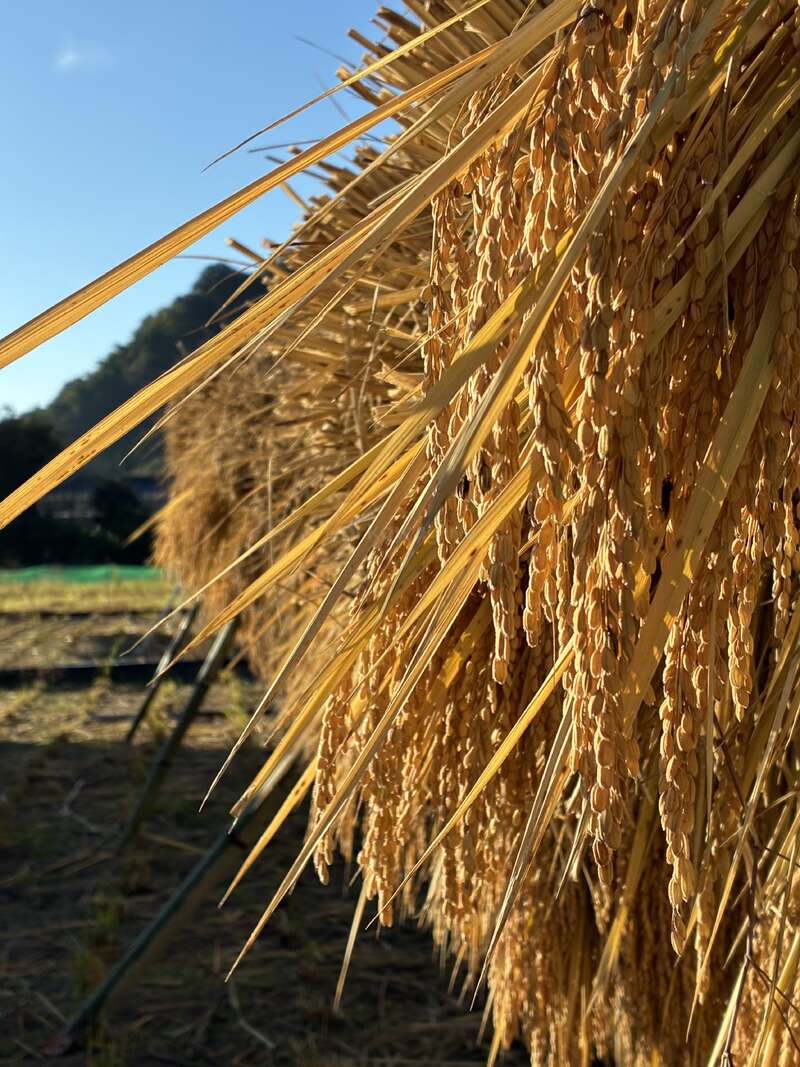
Through the accumulation of the lives of grasses, insects, and other living things, rice and vegetables are able to grow naturally.
We live in a peaceful rural area of Fujieda, surrounded by mountains, rivers, rice fields, and the sounds of birds.
After working on the farm, you can cool down in a beautiful mountain river, enjoy a traditional Japanese meal with us, experience “Temple Yoga” led by my wife, or simply relax and enjoy the quiet countryside.
We also have a 7-year-old son, so if you enjoy playing with children and spending time with them, you would be very welcome in our home.
We hope that your time here will be more than just volunteering.
We want it to be an opportunity to experience Japanese rural life, learn about natural farming, and share everyday life together.
📩 How to Apply
If you would like to join us, please feel free to send us a message.
When you contact us, please tell us a little about yourselves and any physical or outdoor work you have done in the past.
We are looking forward to hearing from couples and pairs of friends who are ready to work hard together, learn something new, and enjoy the peaceful life of the Japanese countryside with us! -

Types of help and learning opportunities
 Charity Work
 Art Projects
 Language practice
 Help with Eco Projects
 Light gardening
 Creative DIY projects
 Farmstay help
 Babysitting and creative play
 Creating/ Cooking family meals
 Help around the house
 Light maintenance
 Help with Computers/ Internet
 House & pet sitting
-

Interests
 Farming
 Plant care
 Music
Music Drawing & painting
 Art & design
 Nature
 -

UN sustainability goals this host is trying to achieve
-

Cultural exchange and learning opportunities
We also enjoy exchanging music and art.
We are a friendly, welcoming family and love intercultural exchange. We can't wait to share our daily life, traditional culture, and beautiful seasons with you! -

Projects involving children
This project could involve children. For more information see our guidelines and tips here.
-

Help
[Main Requirements & Ideal Candidates]
• Couples or two friends traveling together (2 people)
• People aged 25 or older
• People who enjoy physical outdoor work
• People with good physical strength and patience
• People who can complete challenging tasks with a smile (a smile is the most important thing!)
• People who are interested in natural farming, sustainable living, and permaculture
• People who enjoy spending time and playing with children are especially welcome! (We have a 7-year-old boy in our family)
[Volunteer Period]
About one week starting from mid-October
No special farming experience is required.
What matters most to us is a positive attitude, a willingness to learn, and the ability to work together as a team.
You can learn and experience hand-planting rice and growing vegetables using farming methods that are in keeping with Japanese nature.
There is no complicated technique to learn. You will simply work with the soil, shovel by shovel, and gradually see a vegetable bed take shape.
Although the work may seem simple, building raised beds is one of the fundamental parts of our natural farming.
Once you learn how to prepare the soil and build a raised bed in this way, you will be able to use the same knowledge to grow vegetables yourself in the future.
You won’t just be helping us with farm work—you will be learning a practical skill that you can take with you wherever you go.
Building raised beds by hand is not easy.
You will be working with a shovel, moving soil, and spending several hours outdoors.
It can be tiring, but there is also a great sense of satisfaction when you look back and see the vegetable beds you created with your own hands.
If you enjoy physical work, don’t mind getting your hands dirty, and can keep going even when the work becomes challenging, we would love to hear from you! -

Languages
Languages spoken
English: BeginnerThis host offers a language exchange
I can only speak a little English, but I want to learn English -

Accommodation
Our house is a modern home built five years ago. It features a wood-burning stove and is filled with the warmth of natural wood.
Your Room: Your space is a semi-private loft on the second floor, which you access using a ladder. There are two windows with beautiful views of the mountains and the fields. While there is no wall between the loft and the first-floor living room (it is an open-ceiling layout), we use bamboo blinds for privacy, so the inside of the loft cannot be seen from the first floor. -

What else ...
Surrounding Area:
・About a 25-minute bike ride from the house takes you to Rengejiike Park. From there, if you follow one of the hiking trails a little further, you can enjoy a view of Mount Fuji on a clear day.
・A 30-minute walk from the house brings you to a small waterfall, and if you go over one mountain (there are some slopes – about an hour and a half on foot), you’ll reach Setoya Onsen Yuraku.
・About a 10-minute walk from the house, there’s a small traditional Japanese sweets shop and a local shrine that protects the village.
・There is a hot spring 17 minutes away by car, about 30 minutes by bicycle (over the mountain), and around an hour and a half on foot.
・The nearest supermarket is about a 20-minute bike ride away.
I can also recommend some very good restaurants run by my friends, including an excellent soba restaurant, a local restaurant known for its delicious tempura, and a vegetarian lunch restaurant. I can also introduce you to some lovely cafés and shops in Shizuoka City.
All of these places are run by my friends. -

A little more information
-

Internet access
-

Limited internet access
-
We have pets
-
We are smokers
-
Can host families
-
-

Can host digital nomads
This host has indicated that they love having digital nomads stay.
-

Space for parking camper vans
This host can provide space for campervans.
-

How many Workawayers can stay?
Two


















Chat with Workawayers who've visited this host




Feedback (9)
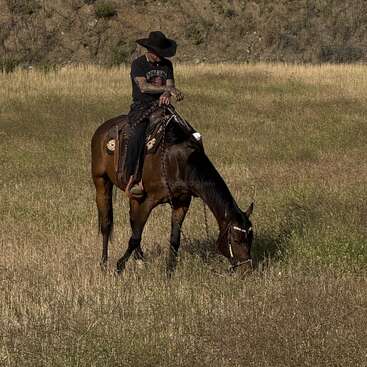
During his summer vacation, she created many wonderful memories with him by drawing pictures, making paper cutouts, and singing songs together with her ukulele.
She also showed great respect for Japanese culture, genuinely enjoyed our meals, and … read more
Kotaro, you are such a funny and lovely boy. I enjoyed spending time with you.🐸❤️🤘
Thank you for all💜🌸❤️
Not only are they kind, thoughtful, and respectful toward their host family, but they also care deeply about nature and live with genuine mindfulness. They are people you can completely trust.
During their stay with us, they took part in one of the most physically demanding and mentally … read more
From the first day Julie and I felt so welcome.
It was an absolute joy working in the fields with Kouichi-san. We worked hard and laughed harder. Haruka-san the love and pride you take in your home and family is so clear. Thank you for sharing your stories, warmth and incredible cooking with us. Both of your … read more
you two are truly unique, fun, and dedicated — you were wonderful volunteers.
Cydnee, I could really feel how much you love working in the fields, and it was such a joy to work alongside you.
Julie, your uniqueness and warm spirit brought so much laughter and created a beautiful atmosphere in the fields.
I hope your journey … read more
Photos

Chat with Workawayers who've visited this host
Feedback
These are extra optional ratings when members leave feedback. The average rating left for each option is displayed.
Accuracy of profile:
(5.0)
Cultural exchange:
(5.0)
Communication:
(5.0)
During his summer vacation, she created many wonderful memories with him by drawing pictures, making paper cutouts, and singing songs together with her ukulele.
She also showed great respect for Japanese culture, genuinely enjoyed our meals, and … read more
Kotaro, you are such a funny and lovely boy. I enjoyed spending time with you.🐸❤️🤘
Thank you for all💜🌸❤️
Not only are they kind, thoughtful, and respectful toward their host family, but they also care deeply about nature and live with genuine mindfulness. They are people you can completely trust.
During their stay with us, they took part in one of the most physically demanding and mentally … read more
From the first day Julie and I felt so welcome.
It was an absolute joy working in the fields with Kouichi-san. We worked hard and laughed harder. Haruka-san the love and pride you take in your home and family is so clear. Thank you for sharing your stories, warmth and incredible cooking with us. Both of your … read more
you two are truly unique, fun, and dedicated — you were wonderful volunteers.
Cydnee, I could really feel how much you love working in the fields, and it was such a joy to work alongside you.
Julie, your uniqueness and warm spirit brought so much laughter and created a beautiful atmosphere in the fields.
I hope your journey … read more
you are about to gain so much from these two and spend a truly wonderful time together.
They respected all of our house rules and moved with such ease, making our shared family life light and enjoyable.
Both of them have a remarkably mature personality — far beyond what you would … read more
My main volunteering responsibility was to hang out with their 6 year old Kotaro who welcomed me immediately into his Sylvanian family tribe and he was honestly a delight to be around.
Haruka is an amazing cook and can whip up a delicious meal with whatever is in the fridge … read more
The work, which was mostly
weeding in the rice fields, was genuinely so enjoyable for me, almost like a meditation. I also really enjoyed helping Aochan with his other farming tasks and weed whacking.
Joining Haruka in her … read more
主に頼んでいた田んぼの草刈り作業では、持ち前の体力を発揮してくれて夏の日本の暑い中でも朝5時から黙々と作業をしてくれました。
日本語もとても上手で勉強熱心であり新しい言葉はすぐにノートにメモし、日本食もとても好きで梅干しや納豆などもおいしく食べてくれて嬉しかったです。
これからも日本を愛してください。
そして、すてきな人生という旅を続けてください‼︎ありがとう‼︎
She stayed at our home for about three and a half weeks while volunteering with us.
For the main task we asked of … read more
Even under the harsh conditions of the rainy season’s clear skies, working in nearly 30°C heat every day, they approached the task with devotion, often mixing in laughter to lighten the … read more
This small family was so loving and kind to us that we left with tears in our eyes, feeling like we were saying goodbye to our own family.
Koichi is a fun man, very curious about our culture, and always happy to share his own culture … read more
They balanced the hard volunteer work so well together. Sometimes dancing in the rice fields, laughing as we shared music and cultural differences — they turned the rice planting into a joyful experience. Other times, they worked slowly and carefully, as if to show us, “This … read more