Workaway in Rome: Volunteering and Travel Guide
Most people who visit Rome spend a few days there, ticking off things like the Colosseum and the Vatican City, then go back home.
If you want to volunteer in Italy rather than just pass through it, a Workaway Rome placement is the way to go deeper: you exchange a few hours of help a day, picking kids up from school, joining a language exchange, house and pet sitting, or harvesting olives on a family farm in the Sabina hills, for accommodation and often meals, and get a completely different, everyday version of Italy in return.
This kind of volunteer work in Italy has less to do with sightseeing and more to do with the daily life of the people hosting you, which is why it works so well for gap year travellers, first-timers, and anyone after a meaningful, affordable stay.
This guide covers volunteer opportunities in Rome and the surrounding area, family stays and farm projects, saving money in the city, choosing the right neighbourhood, and what life with a host is actually like. Whether this is your first volunteer abroad trip in Italy or you've already done a Workaway exchange elsewhere, Rome is a place you wouldn't want to skip; consider this your Italy volunteering guide to the city.

What Is It Like to Travel and Volunteer in Rome
I haven't volunteered in Rome myself (not yet anyway), but plenty of people have, so I went scrolling through host profiles and feedback pages. A few stories stood out, and reviews say a lot about what living like a local in Rome actually looks like.
Stories like these come up constantly once you start reading Workaway reviews from people who volunteer in Italy:
For example, one volunteer spent three months with this family near the centre of Rome, picking their son up from school most afternoons, and spending evenings on card games and having chats about the universe.
Another spent two weeks with a family near the coast south of the city, weeding the garden and walking the dogs in the mornings, then doing things like learning to make gnocchi from scratch in the evenings!
Reading enough of these, a pattern starts to show. The reviews often say less about the practical details of the exchange and more about the people, shared meals, and everyday moments that stayed with them. It gives you a glimpse of what cultural immersion Italy trips are really like inside a Workaway stay. Going by how many people mention wanting to go back, those connections often last well beyond the exchange itself.
Why Rome Is One of Italy's Best Cities for Culture and History
Here's a quick history lesson: Rome is old, and it has an incredibly rich history. Legend says 753 BC old, founded by two brothers, Romulus and Remus, who were supposedly raised by a wolf.
Roughly 2,800 years of history have piled up here since, and you'll find someone's laundry hanging a few feet from a 2,000-year-old column.
Florence gets the Renaissance, and Venice gets the canals, but Rome has everything at once, which is why short Rome travel guides barely scratch the surface.
The historic centre's been a UNESCO World Heritage site since 1980, bumped up in 1990 to cover the Vatican too, home to the Colosseum and the Pantheon, along with countless churches full of Renaissance art.
But none of that history stays behind glass. It spills into long lunches and trattorias where the menu hasn't changed in decades, and that mix of ancient and everyday life is a big part of why volunteering in Rome feels different from other ways to volunteer in Italy.
Why Volunteer in Rome Through Workaway
Volunteering in Rome through Workaway comes with a lot of perks, but the biggest is cost. Rome isn't cheap, and hotels alone add up fast, before food and transport.
With Workaway, you get a room and often the food covered in exchange for a few hours of help a day, turning backpacking Rome on a tight budget into something manageable. Stays can range from a few weeks to several months, giving you the chance to slow down and experience Rome at a very different pace from a weekend city break. It's one of the more accessible forms of volunteer work in Italy for exactly that reason, and one of the more popular ways to volunteer in Italy overall.
There’s plenty of variety when volunteering in Rome through Workaway too. Host profiles range from city families needing childcare to smallholdings in the Sabina hills or Castelli Romani. You could find yourself right in the middle of city life or staying with a host among the hills and smaller towns outside Rome, depending on the kind of experience you're looking for.
Every host has a feedback history from past guests, so you can read real reviews before committing, and it’s a good way to see what volunteering in Rome is actually like.
But the bigger difference is how you experience the city. Having a base in Rome gives you time to go Rome beyond the Colosseum and Vatican checklist. Being a volunteer through Workaway means you could get to know your neighbourhood, find the local market or bar you keep going back to, practise your Italian, and experience everyday life alongside people who actually live there. Your time off can still be spent seeing the big sights, but they become part of your time in Rome rather than the whole trip.
What Types of Volunteer Opportunities Can You Find in Rome
There’s a lot of variety in the kind of volunteer stay you can have in and around Rome. You might find yourself sharing everyday life with a family in the city, helping with a sustainable project in the countryside, looking after someone’s home and pets, or getting involved in something completely different depending on your skills and interests. Here are a few examples of the types of Workaway opportunities you can find in Rome:
Language and cultural exchange
Language and cultural exchange can take many forms, whether you’re with a family, on a farm, or helping with a community project. In Rome, that might mean practising Italian over dinner, learning how a family organises everyday life, sharing your own language or skills, or simply spending time with local people who enjoy sharing conversations and routines.
You could be cooking together, running errands or chatting over meals- it’s often the ordinary moments that give you a glimpse into daily life in Rome beyond the tourist experience.
Some hosts are specifically looking for language exchange too, especially families or individuals who want to practise English or another language in a more informal, everyday setting.
Sustainable projects
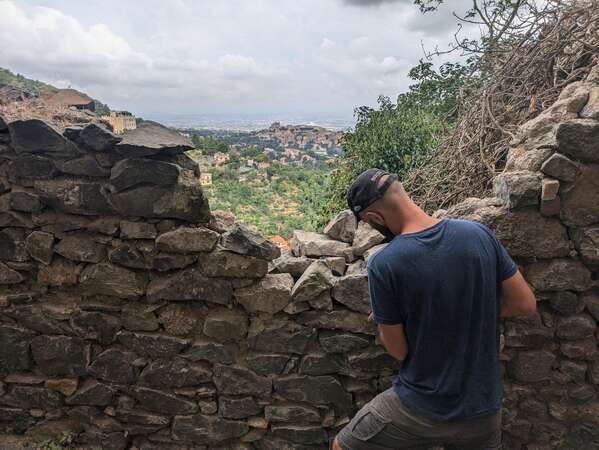
Outside the city, toward the Sabina hills or Bracciano lake, listings shift to organic farms and olive groves where volunteers may get involved with seasonal tasks such as harvesting, planting, permaculture or tree care.
There are also countryside villas with gardens that need a bit of upkeep rather than a full working farm. Other stays might involve helping to look after a countryside property or garden, offering a slower-paced experience of rural life outside Rome.
Au pair
Some families in and around Rome welcome volunteers who enjoy spending time with children and becoming part of everyday family life. Depending on the stay, this might involve school pick-ups, game times, helping with homework or teaching English.
Plenty of listings sit right in the centre, walking distance from the Colosseum or a few stops from the Vatican.
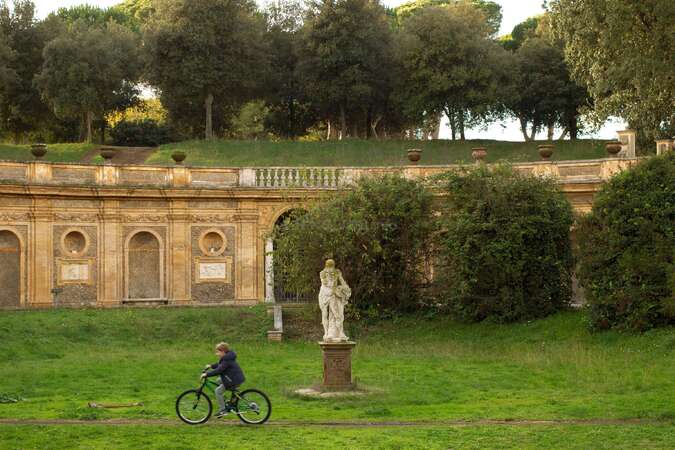
Not all of them are in the city either; some families are out in the hill towns south of Rome, where days can end up with a walk around Lake Albano near Castel Gandolfo, an afternoon in the gardens at Villa Aldobrandini, or a museum visit alongside the usual school runs.
For travellers who enjoy a more social, home-based experience, family stays can be a great way to get a feel for daily life in Rome beyond the tourist side of the city.
House and pet sitting
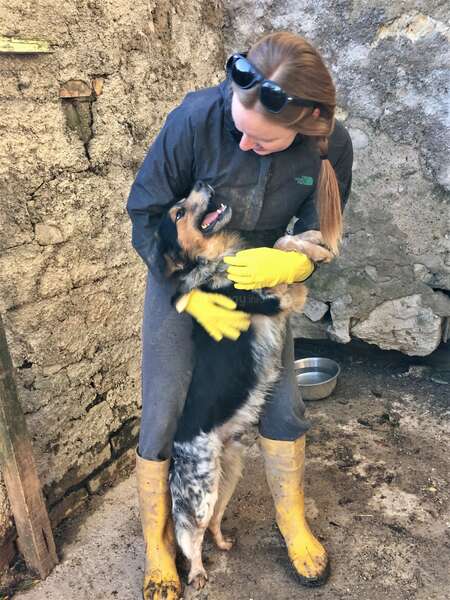
House and pet sitting stays can be a good fit if you prefer a quieter, more independent experience. You might be looking after dogs, cats or occasionally other animals while the owners are away. Some stays also involve simple things like watering plants or keeping an eye on the garden.
The routine depends on the pets and the household, but it could include morning and evening walks, feeding times and a few small tasks spread through the day. Because you’re based in a real home rather than a hostel or project, it can also give you more of a neighbourhood routine and time to explore Rome at your own pace.
These are just some of the types of stays you might find around Rome, and the mix changes all the time. Whatever type catches your eye, it's worth scrolling through the current listings to see what’s available. The right fit depends not just on the type of project, but on the kind of experience you actually want from your few weeks in and around Rome.
If you're interested in volunteer work in Italy that supports local communities, it's also worth looking into food rescue initiatives. These projects can involve collecting surplus food, helping redistribute donations or supporting community kitchens and other local initiatives. Not every food rescue organisation offers accommodation-based exchanges through Workaway, so check current listings and project requirements before making plans.
Best Things to Do in Rome Beyond the Tourist Spots
When you’re staying in Rome for a longer time, there’s less pressure to rush between the Colosseum, Vatican and other headline sights. You have time to dig a little deeper into the city, revisit neighbourhoods you like and discover places and routines that might never make it onto a short itinerary. There are plenty of Rome hidden gems that barely cost anything to see, proving that affordable Rome travel doesn't mean skipping the good stuff!
Discover Rome’s more unusual history
Even around Rome’s best-known landmarks, there are layers of history that are easy to miss. Just beneath the Trevi Fountain, Vicus Caprarius is an entire Roman neighbourhood nine metres underground, discovered by accident during renovations to an old cinema in the late 1990s. Its ancient reservoir is still fed by the same aqueduct that supplies the fountain above.
Near the Vatican, the Passetto di Borgo is an elevated passageway built around 1277 to connect the Vatican with Castel Sant’Angelo. It was used as an escape route by popes, including Pope Clement VII during the Sack of Rome in 1527, and parts of the historic passage are now open to visitors.
For something considerably more unusual, the Capuchin Crypt contains a series of chapels decorated with the bones of around 4,000 Capuchin friars. It’s a strange and rather macabre reminder of just how many different periods of Rome’s history are hidden behind otherwise ordinary-looking doors.
And when you have more time in the city, you’ll start noticing smaller churches, ruins, traces of history scattered through ordinary streets while walking through neighbourhoods you’ve already visited a few times.
Slow down in Rome’s open spaces
The Baths of Caracalla, built between 212 and 216 AD, were once an enormous complex with libraries, gyms and elaborate marble decoration. Today, they’re among the largest and best-preserved Roman bath complexes still standing, and the site also hosts opera performances and concerts during summer.
For an even slower afternoon, head to Villa Borghese or Villa Pamphili with a book or picnic and stay for a few hours. When Rome is temporarily home, you can come back another day if you want to, rather than trying to squeeze the park, museum and three other sights into the same afternoon.
Settle into your own Rome routine
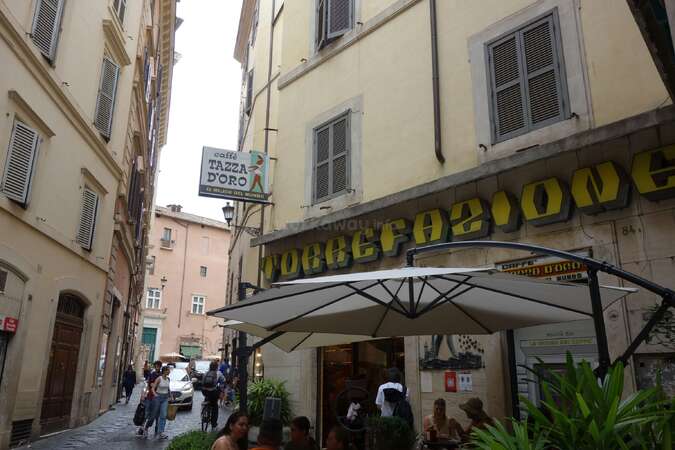
One of the nicest things about staying longer is gradually developing your own little Rome routine. Take an evening passeggiata with nowhere in particular to be, find a favourite neighbourhood spot for an aperitivo, or start recognising which bakery or café you naturally keep going back to.
Markets are another good way to see a more everyday side of the city. Porta Portese on a Sunday morning is a huge flea market where you can browse old vinyl, secondhand clothes, furniture, car stereos, paintings, books, and plenty more. Smaller vintage and flea markets also appear in different neighbourhoods at weekends, so it’s worth seeing what’s happening near where you’re staying.
Over a few weeks, you’ll probably start finding your own favourites too: a piazza that’s particularly lively in the evening, a park you return to, or a neighbourhood you enjoy wandering around without needing a particular reason to be there.
Use Rome as a base to explore further
With more time, you can also explore beyond central Rome without feeling like you’re sacrificing one of your precious sightseeing days. Take a day trip somewhere nearby, explore one of Rome’s outer neighbourhoods, or follow a recommendation from your host or someone you meet during your volunteer stay. That mix of famous sights, hidden corners and ordinary days is what makes a longer stay in Rome as a volunteer a lot more memorable and worthwhile than a short city break.
Exploring Rome's Neighbourhoods Like a Local
Rome's neighbourhoods each have their own personality. Think of this as a mini Rome neighbourhood guide, covering some of the best areas to stay in Rome depending on what you're after.
| Neighbourhood | What it's like | Good for | Cost |
| Monti | Village feel across three of Rome's seven hills, right by the Colosseum, cobbled streets, a proper local market instead of souvenir shops | Walkability, wine bars, feeling like a real neighbourhood instead of a hotel zone | Higher, central but cheaper than the historic centre itself |
| Prati | Wide grid streets next to the Vatican, residential, more locals than tourists | A calmer base, easy walk to the Vatican | Mid-range, cheaper than the historic centre but pricier than Pigneto or Esquilino |
| Pigneto | Once working-class, now Rome's edgier nightlife hub, street art, cheap spritz | Bars, a creative crowd, budget nights out | One of the most affordable Rome travel bases on this list |
| Trastevere | Rome's most famous neighbourhood, cobbled streets, big nightlife scene | Nightlife, if crowds don't bother you | Higher, central and tourist-driven |
| Esquilino / Termini | Multicultural, built around the main train station | Budget stays, easy transport connections | Budget-friendly, among the cheapest central options |
If you're staying for a few weeks, your neighbourhood can become as much a part of the experience as central Rome itself. It’s where you find the bakery you go back to, work out which market to shop at, recognise the same faces at the local bar and get used to the rhythm of the streets at different times of day. Those everyday routines give you a glimpse of Rome that most tourists never really get to experience.
If budget's the deciding factor, Pigneto or Esquilino are among the more affordable options. With Workaway though, where you stay will usually depend on where your host is based, which might introduce you to a part of Rome you wouldn't otherwise have considered.
Rome for History Lovers, Foodies and Creatives
Italy's capital pulls different travellers in for different reasons: food, art, or cultural immersion in the history, all at once.
Here's roughly what each group gets out of it, and how to spend free time seeing different sides of the city.
History lovers
Some of Rome's best history hides just outside the usual route. Here are some real Rome hidden gems if you go looking beyond the Colosseum and the Forum:
- The Roman Ghetto - Rome's Jewish community dates back to at least 161 BCE, among the oldest in the Western world. The walled ghetto was established in 1555 by Pope Paul IV and stood until 1870.
- Via Appia Antica - built starting 312 BCE to move Roman troops south. Several miles are still walkable on the original basalt paving.
- Capitoline Museums - considered the world's oldest public museum, with a collection dating back to 1471. Home to the Capitoline Wolf, the bronze she-wolf statue of Romulus and Remus.
Foodies
No Rome travel guide is complete without the food, and it’s well known that Italy is a total dream destination for foodies. If you plan trips around the city's culinary delights, start here:
- Testaccio Market - a market hall with stalls for fruit and veg, clothing, accessories, and books, plus food counters serving frittata di pasta.
- Campo de' Fiori - a daily market for fresh produce, meat, and fish since 1869. It's also where philosopher Giordano Bruno was burned alive for his ideas in 1600, marked by his statue since 1889.
- Carciofi alla giudia - fried Jewish-Roman artichokes from the Ghetto's kitchens generations ago, still one of the better vegetarian dishes the city has to offer.
- Cacio e pepe - a simple pasta dish of pecorino romano and black pepper, and one of Rome's classic authentic pasta dishes. Shepherds in Lazio carried the ingredients on long treks since they kept well.
- Carbonara - Rome’s very well known pasta dish, made with guanciale, egg, and pecorino romano, found on nearly every trattoria menu in the city.
- Saltimbocca alla romana - veal wrapped in prosciutto and sage, one of the dishes most closely tied to traditional Roman cooking.
- Trapizzino - a modern Roman invention, created in 2008 by chef Stefano Callegari, a pizza-dough pocket stuffed with traditional Roman fillings.
Creatives
Bernini and Renaissance frescoes get most of the attention. Some of the best Rome hidden gems are newer, stranger corners that often go unseen:
- MAXXI - Rome's national museum of contemporary art and architecture, designed by Zaha Hadid, home to an architecture archive of over 60,000 drawings and 75,000 photographs.
- Galleria Borghese - home to 14 Bernini sculptures, including Apollo and Daphne and David, commissioned by Cardinal Scipione Borghese for his private villa.
- Pigneto and Quartiere Coppedè - Pigneto's streets are covered in murals, while Coppedè's buildings look like something out of a fairy tale, covered in carvings and mosaics, with a giant iron lamp over the entrance archway.
Best of all, you don't have to pick just one! Mix them up: a Ghetto walk in the morning, a trapizzino for lunch, then MAXXI in the afternoon, one of the better travel tips for Rome.
How Much It Costs to Travel Rome on a Budget
Rome budget travel comes down to knowing where your money goes, and it can still offer great value if you stay outside the busiest tourist zones and watch day-to-day costs. Public transport runs about €1.50 a ride, or grab a multi-day pass if you're moving around a lot.
The big sights aren't cheap, but there are plenty of things to do in Rome on a budget.
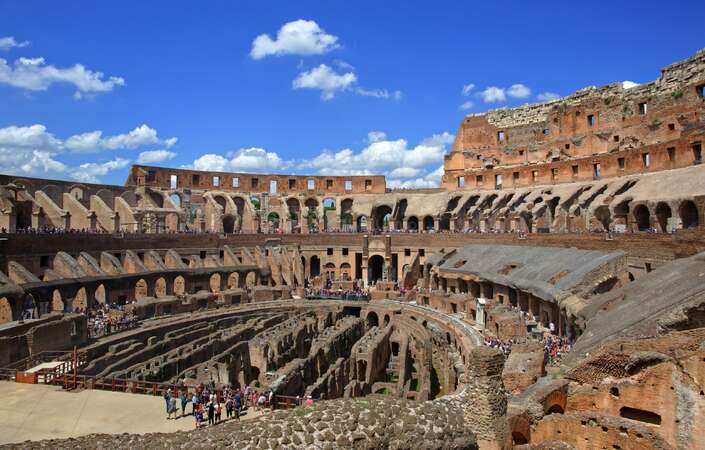
Worth knowing too: the Colosseum, Roman Forum, and Palatine are free on the first Sunday of every month, plus April 25, June 2, and November 4, worth timing a visit around if you can. Choosing a volunteer stay can also help combat over-tourism by spreading time and spending beyond the usual short-stay hotspots.
Food is where you save the most: an espresso is under €2, and a meal can run €15 if you skip the tourist-trap menus. Cooking some meals yourself helps too! Here's a quick breakdown of what things actually cost:
| Category | Cost | Source |
| Bus/metro/tram ticket (100 min) | €1.50 | ATAC |
| 24-hour transport pass | €8.50 | ATAC |
| 72-hour transport pass | €22.00 | ATAC |
| Colosseum + Roman Forum + Palatine | €18.00 or €2.00 (for EU citizens 18-25) | Parco Archeologico del Colosseo |
| Roma Pass (72h, transport + museum discounts) | €52.00 | ATAC |
| Coffee at the counter | ~€1.92 | Numbeo |
| Sit-down meal, inexpensive spot | ~€15.00 | Numbeo |
| Hostel dorm bed | ~€20-40/night | Hostel Rome listings |
| Hostel private room | ~€25-45/night | Hostelworld Rome listings |
Put it together, and backpacking Rome usually costs around €55-65 a day: a dorm bed, transport, coffee, one meal out, one self-catered meal. That's without volunteering.
With a Workaway, your host covers accommodation and sometimes food, so you're mostly budgeting for extras. A monthly transport pass runs €35, and two or three paid attractions a month add another €30-50.
Add coffees and a few nights out, and with volunteering, you might spend as little as €150 and up to €350 a month. That's a big difference compared to some organised volunteer programmes in Italy, which can cost around €1,000–2,500 a month. Some Rome programmes start at approximately €1,000. With Workaway, you don't pay those placement fees, and accommodation is part of the exchange, making it a more affordable way to volunteer in Italy.
What Volunteering in Rome Actually Looks Like
Day to day, it depends heavily on the host. Some Workaway Rome listings put you in a family’s spare room, helping with school runs and dinner prep. Others are on a small homestead, where you wake up early and you help with animal care or harvest. There are more low-key ones, asking for a few hours of light gardening or housework, then free time for the rest of your day.
For a cultural exchange experience as a volunteer via Workaway, hosts generally treat you as a part of the household and there are often plenty of chances to spend time together too. That might mean sharing meals, chatting in the evenings, playing games or joining in with the occasional day trip.
The exchange is simple: around 4-5 hours of help a day, 5 days a week, in return for accommodation and sometimes food. Specifics like hours per day, type of tasks, and whether your hours are one stretch or split across the day vary by host, so it's worth clarifying expectations before you arrive.
You need to be at least 18 to register on Workaway, and hosts are manually reviewed before they're listed. Whether you volunteer in Rome for two weeks or two months, it’s the daily rhythm and the connection with your hosts or other volunteers, not the actual tasks, that end up shaping the experience.
What Else Should You Know Before Volunteering in Rome
If you're considering volunteer work in Italy through Workaway, read through the host's profile and feedback from previous Workawayers carefully. Reviews can tell you a lot about the experience beyond the practical details, including what daily life with the host is like, how much time people spend together, and what other Workaway volunteers enjoyed about their stay.
It's also worth talking through expectations with your host before you arrive. Ask what a typical day might look like, what you'll be helping with, and how your free time usually fits around it. If experiencing Rome is important to you, check where the host is based and how easy it is to get into the city too. Things like shared meals, Wi-Fi, transport and arrival arrangements are all worth clarifying beforehand.
Take the same precautions you would with any trip: make sure someone knows your plans, consider appropriate travel insurance and familiarise yourself with Workaway's safety advice and support resources before you go.
Finally, always check the current entry and visa requirements that apply to your nationality and planned activities. Rules can vary, so use official Italian consular information rather than assuming a tourist visa or visa-free stay covers your particular exchange.
Where to Find Workaway and Volunteer Opportunities Near Rome
Workaway lets you search around Rome and filter by location and host type, with plenty of active opportunities both in the city and the surrounding towns and countryside. Listings change as hosts' availability changes, so it's worth checking what's available for your dates.
Recent examples range from a creative stay with an artist in the Sabine Hills to a home project in Marino, and pet sitting in the countryside north of Rome. If being close to the centre matters to you, family homestays and individual host listings are your best bet, since family hosting is a common host type across Italy. Be sure to check the exact location and transport links carefully, as a host outside Rome can offer a very different experience from staying with a family in the city.
Conclusion
By the time you've spent a few weeks with a host in the Sabine Hills, or split your days between a project in Marino and evenings in Trastevere, Rome starts to feel like a treasure trove of art, history, and local life discovered through volunteering.
You know which bakery opens early, which bus runs late, which piazza empties once the tour groups leave.
That's the real value: enough time in one place for Rome to become familiar rather than just visited, closer to living like a local in Rome than passing through it.
Two weeks or two months, you leave with a version of the city most visitors never get close to, where daily routines and relationships feel more personal than on a standard trip in a foreign country, with a unique culture and a more personal connection.
FAQ
Workaway Rome host listings carry feedback from past volunteers, so you can read real experiences before deciding whether a stay feels right for you. Reviews often cover things like communication, how accurately the profile reflected the exchange, accommodation, daily routines and the overall experience with the host.
It’s also important to read the full profile carefully and message the host before confirming anything. Ask about the kind of help expected, schedule, accommodation, meals, transport and what a typical day looks like, especially if anything in the listing is unclear. On the Workaway site you can also contact previous volunteers directly if you want another perspective before arranging your stay.
As with any travel volunteer opportunities, finding a good, reliable match comes down to reading the profile and recent feedback carefully, and having a clear conversation with the host before you agree to a stay.

Meri is a traveller, writer, and yoga teacher & practitioner, with a passion for slow, sustainable living. She was always drawn to faraway places, different cultures and people, but kept finding reasons to wait.
Studying graphic design in Denmark was her first time living far from home, and she believes it opened something in her. From vanlife adventures in Spain and Portugal, to Workaway volunteering across Costa Rica, Guatemala, Panama, and Sri Lanka, each experience has made her endlessly more curious.
She loves discovering hidden places, eating incredible vegan food, moving her body, and connecting with like-minded souls.
Share the Workaway idea
2 comments
Join the Workaway community today to unlock unique volunteer experiences and free accommodation with over 50,000 opportunities around the globe.
Join Now