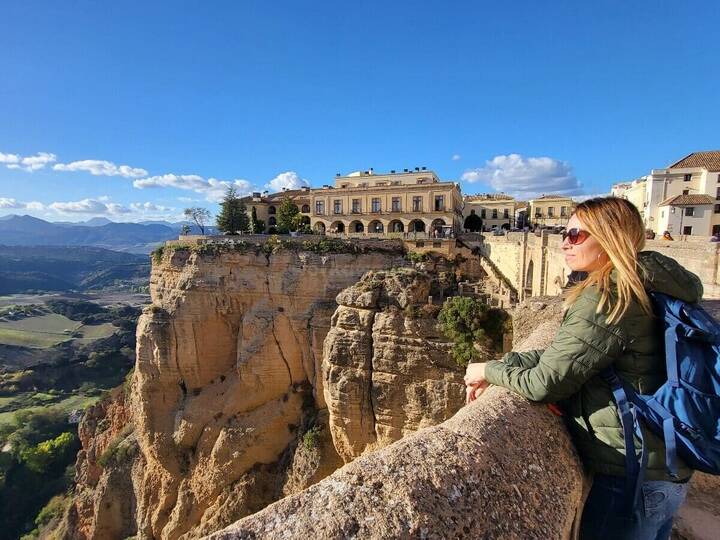
Workaway in Madrid: volunteering and travel guide
Madrid is loud, generous, and surprisingly easy to fall into.
Spain’s capital operates on its own terms: lunch starts at 2 pm, dinner rarely before 9 pm, and the city’s nightlife doesn’t really begin until after midnight.
For travellers used to European cities that wind down early, this takes some adjustment. For those willing to go with it, it quickly starts to feel like the only sensible way to live.
Few European capitals offer as much: world-class art museums, a food culture built around long lunches and sharing plates, and neighbourhoods that each feel like a different city entirely.
This guide covers the best things to do in Madrid, where to eat and drink like a local, how to travel Madrid on a budget, and where to find Madrid Workaway and volunteer opportunities in Spain, whether you’re there for a week or several months.

What Is It Like to Travel, Volunteer, and Experience Cultural Exchange in Madrid?
Madrid is not a city that performs for tourists. The good stuff is found by wandering, not by following a plan.
Those who venture away from the souvenir shops and overpriced tourist traps find what it’s all about: a city that moves at its own pace, slow, friendly, and unrushed. Volunteers who’ve spent time living with Madrid families often say the same thing: that the city only really opens up once you stop moving through it and stay still for a while.
As one Workaway volunteer put it after a month with a local family: “I feel like I’ve grown a lot from this experience and have truly connected with Spanish culture.” A month in one neighbourhood, eating where locals eat and falling into the city’s rhythms, tends to leave a bigger impression than a week of sightseeing ever could.

Why Madrid Is One of the Best Cities in Spain for Culture and Food
Eating in Madrid is a cultural act. Meals are long, social, and often, lunch is the main event.
A two-course menú del día eaten between 2 pm and 4 pm, often followed by coffee that stretches past the point where the table should probably be turned. Dinner is lighter, later, and rarely before 9 pm.
The Madrid Food Guide: What to Know Before You Eat
Understanding the rhythms of Madrid's food culture makes the whole experience better. A few essentials:
- La hora del vermut, a.k.a. the vermouth hour, is a Madrid institution. Between noon and 2 pm, particularly on Sundays after the Rastro market, locals crowd into traditional bodegas for a glass of draught red vermouth with olives and a small tapa. It is one of the most enjoyable weekly rituals in the city.
- The menú del día is the smartest way to eat in Madrid on a budget. For around €10-14, most neighbourhood restaurants offer two courses, bread, and a drink. Order this at lunch, and you will eat as well as anyone in the city for a fraction of the dinner price.
- Tapas in Madrid are often free. In many traditional bars, a small bite like a slice of tortilla, a few olives, and a piece of bread with tomato arrives automatically with your drink. This is the original tapas culture, and it still exists in plenty of neighbourhood spots outside the tourist centre.
- Bocadillo de calamares, or the fried squid sandwich, is Madrid’s most iconic street food. It costs a couple of euros, it is sold near the Plaza Mayor, and it divides opinion in the best possible way.
- Cocido madrileño is the city’s slow-cooked chickpea stew. Eaten in stages: broth first, then the vegetables and meat, it is proper winter food and one of the more distinctly Madrileño dishes you will find.

Best Things to Do in Madrid Beyond the Tourist Spots
The things to do in Madrid that most visitors know about, the Prado, the Royal Palace, and El Retiro, are worth seeing. But the best things to do in Madrid often sit just outside the obvious. You can explore regional cultural and historical sites, including UNESCO sites. A few that reward the effort:
- El Rastro, Madrid’s Sunday flea market, stretches through the streets of La Latina and has been running for centuries. Arrive before 11 am to browse properly; by 1 pm, the crowd is dense, and the stalls start packing up. Afterwards, the neighbourhood’s vermut bars fill with locals continuing the morning on a terrace.
- The Museo Sorolla is one of the most overlooked museums in the city. The former home and studio of painter Joaquín Sorolla, it is small, beautiful, and rarely crowded; a welcome contrast to the queue outside the Prado.
- Templo de Debod is an Egyptian temple, gifted to Spain in the 1960s and reassembled in the Parque del Oeste. The view at sunset, looking out over the Casa de Campo, is one of the best in Madrid.
- Matadero Madrid is a former slaughterhouse in the Arganzuela district that has been converted into a large contemporary arts and culture centre. It hosts exhibitions, performances, and community events throughout the year and is almost entirely free.
- Parque Madrid Río, the green corridor along the Manzanares River, is where Madrileños actually spend their outdoor time. Runners, cyclists, families, and people doing absolutely nothing stretch along several kilometres of well-maintained riverbank.

Exploring Madrid’s Neighbourhoods Like a Local
Where you base yourself in Madrid shapes the kind of trip you have. The city’s barrios are distinct enough that they genuinely feel like different places. Here is a practical Madrid neighbourhood guide to help with the decision:
Best Neighbourhoods in Madrid
| Neighbourhood | Vibe | Best for | Cost level |
| Sol and Centro | Historic, busy, tourist heart | First-time visitors, iconic sights, easy transport | Mid-High |
| Lavapiés | Multicultural, creative, authentic | Budget travellers, longer stays, street art & local culture | Low |
| Malasaña | Bohemian, artsy, lively | Coffee shops, vintage stores, nightlife, solo travellers | Mid |
| La Latina | Traditional, tapas, cobbled streets | Food lovers, Sunday Rastro market, relaxed evenings | Mid |
| Chueca | Inclusive, vibrant, LGBTQ+ friendly | All traveller types, dining, nightlife | Mid |

Madrid for Art Lovers, History Fans, and Creatives
Madrid art museums are among the finest in Europe. The three institutions that make up the Golden Triangle of Art sit within walking distance of each other along the Paseo del Prado.
Together, they cover Western art from the medieval period to the late twentieth century more comprehensively than almost anywhere else on the continent.
Museo del Prado
One of the great painting collections in the world, with masterworks by Velázquez, Goya, El Greco, Titian, and Rubens. Open Monday to Saturday from 10 am to 8 pm, and Sundays and public holidays from 10 am to 7 pm. General admission is €15, and free entry during the last two hours before closing. Free entry tickets are available at the ticket office on the day, subject to capacity.
Museo Reina Sofía
Home to Picasso’s Guernica and one of the best collections of 20th-century Spanish art you’ll find anywhere. Open Monday and Wednesday to Saturday from 10 am to 7 pm, and Sundays from 10 am to 12:30 pm. Closed on Tuesdays. General admission is €12, and like the Prado, entry is free for the last two hours before closing. The building itself, a converted 18th-century hospital, is worth seeing.
Museo Thyssen-Bornemisza
The most eclectic of the three, spanning eight centuries of European art and filling in the gaps between the Prado and the Reina Sofía. Particularly strong on the Dutch Golden Age and Impressionist painting. Open daily from 10 am to 7 pm. General admission is €14. Free entry on Mondays from 12 pm to 4 pm, and free on Saturday evenings from 9 pm to 11 pm.
Beyond the three main museums, the CaixaForum offers free changing exhibitions just off the Paseo del Prado, and the Royal Palace, the largest functioning royal palace in Western Europe, is open to the public.
Barrio de las Letras, the literary quarter between the Prado and Sol, has streets embedded with quotes from Cervantes and Lope de Vega.

How Much Does It Cost to Travel to Madrid on a Budget
Madrid on a budget is achievable. Compared to Paris, London, or Amsterdam, it offers significantly better value, particularly for food and culture.
Budget travellers can expect to spend around €45-80 per day covering accommodation, transport, food, and a mix of free and paid attractions.
That figure drops considerably through a Workaway Madrid or work exchange, where accommodation is provided in return for a few hours of daily work, helping you save money on lodging and meals, though you will usually still cover your own flights, visas, insurance, and personal spending.
Many volunteer programs in Spain are not free and can even cost money, which makes Workaway a great option for budget-focused travellers.
Make sure you have travel insurance and some emergency savings set aside, in case arrangements fall through or plans change unexpectedly.

Madrid Travel Cost Breakdown
Accommodation
Hostel dorm beds in central neighbourhoods average €25-35 per night. Private rooms in guesthouses from €60-80. Workaway membership costs €49 per year for a solo traveller and provides free accommodation in exchange for about 5 hours a day, 5 days a week.
Food
A two-course menú del día with a drink costs €10-14 at a neighbourhood restaurant. Tapas at a local bar run €1.50-4 per item. A bocadillo from a traditional bar is €2-4. Shopping at a mercado or supermarket brings costs down further.
Transport
A single metro journey costs €1.50 (up to 5 stations, up to €2.00 for longer routes). The 10-trip Metrobús card costs €7.38 and covers both metro and bus, making it much better value for any stay longer than a day or two. The airport supplement is €3 on top of your standard fare.
Culture
The Prado is free on weekday evenings and Sunday afternoons. The Reina Sofía offers the same. El Retiro Park, Templo de Debod, Matadero Madrid, the Rastro market, and a walk through any of the city’s barrios are entirely free. The Royal Palace costs €12 with standard entry.
Budget travel in Madrid works best when you eat where locals eat, use the metro, visit museums during free windows, and spend your evenings in neighbourhood bars rather than tourist-facing restaurants around the main plazas.
For those volunteering in Spain for free through Workaway, the daily cost of living in Madrid becomes substantially lower than it would be as a tourist. That said, you will still need to budget for food, transport, and whatever you spend on your days off.

What Volunteering in Madrid Actually Looks Like
- Family stays: Local families take you as part of the household. You eat together, help with the kids, explore the neighbourhood, and live like a local. The experience tends to be more immersive than people expect. One volunteer described joining a family BBQ, meeting friends, and staying up late chatting with everyone.
- Language and cultural exchange: Many Madrid hosts are looking for someone to share their culture with, a language practice buddy. Or a presence around the house. Less structured than a family stay, and often the most relaxed Workaway experience of all.
- Near Madrid: Workway listings just outside the city include rural farms, eco-projects, and family fincas where the pace is slower and the connection to local life runs deeper. Volunteers describe caring for animals, helping in vegetable gardens, learning traditional skills, and sharing long meals with hosts who treat them like family. Madrid is easily reachable whenever you want a taste of the city.

Where to Find Workaway and Volunteer Opportunities with Free Accommodation Near Madrid
Workaway Madrid opportunities are more limited than in rural Spain. Still, the Workaway.info platform connects over 40,000 hosts worldwide, so it’s easier to find opportunities in the wider region even if Madrid itself has fewer listings.
For those open to the wider region, volunteering near Madrid, Spain, also includes rural farm stays, language exchange projects, and eco-initiatives in Castilla-La Mancha and Castilla y León, all reachable by train or bus from the capital, and many hosts welcome different skills and travel styles.
To find Workaway Spain near Madrid, use the Madrid region filter on Workaway.info and contact potential hosts through the platform early.
The selection is smaller than in other parts of Spain, so apply early and write a personalised message. Prioritise hosts with multiple positive reviews and consider messaging previous volunteers directly to get a clearer picture before committing.
EU citizens have no restrictions on volunteering in Spain. Travellers from many countries can enter visa-free for up to 90 days under the Schengen framework. For longer stays, a volunteer or long-stay visa may be required. Always check with the Spanish embassy before travelling.

Final Words
Madrid rewards the traveler who slows down. Whether you go there for a week or several months on a Workaway exchange, the city’s best moments tend to happen away from the crowd: a long lunch that turns into a conversation you didn’t expect, a neighbourhood market on a Sunday, an evening that takes on a life of its own.
A Workaway stay is one of the better ways to find that version of the city. Living with a local family, helping out at a small project, or simply being part of daily life somewhere new… Madrid has a lot more to offer once you stop passing through it!

Meri is a traveller, writer, and yoga teacher & practitioner, with a passion for slow, sustainable living. She was always drawn to faraway places, different cultures and people, but kept finding reasons to wait.
Studying graphic design in Denmark was her first time living far from home, and she believes it opened something in her. From vanlife adventures in Spain and Portugal, to Workaway volunteering across Costa Rica, Guatemala, Panama, and Sri Lanka, each experience has made her endlessly more curious.
She loves discovering hidden places, eating incredible vegan food, moving her body, and connecting with like-minded souls.
Share the Workaway idea
22 comments
Join the Workaway community today to unlock unique volunteer experiences and free accommodation with over 50,000 opportunities around the globe.
Join Now