







Profile information
-

Host rating
85 %
-

Last replied
11 Sep 2026
-

Reply rate
100.0 %
Usually responds within 2 days
-

Feedback
1
-

Email verified
Badges (1)

Find your perfect host




Min stay requested: at least 2 weeks
Details
-

Description
We are Paula (mom) and our two children, living on a small piece of land in Curacaví, a rural valley between Santiago and Valparaíso, Chile.
Our place , in Mapudungun. It is a small family project where we try to live in connection with nature while restoring the land and learning from it.
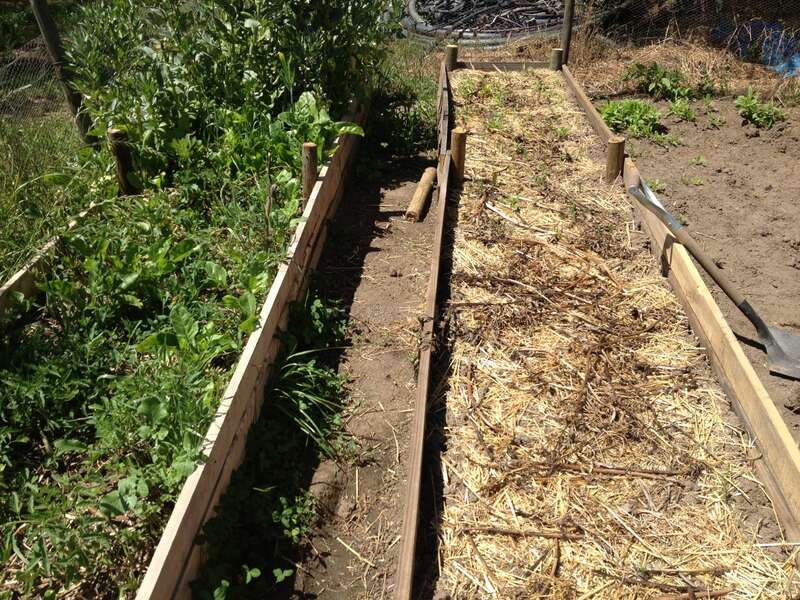
We are gradually restoring native forest (acacias, quillay, peumos), planting orchards and maintaining organic gardens. We also live with animals that are part of daily life here: chickens, ducks, cuyis, horses, dogs and bees.
Water on the land comes from a windmill and traditional irrigation channels, and in summer we enjoy a natural swimming pool filtered by reeds, without chlorine or chemical products.
Life here is simple and practical. We recycle most materials, cook together and share many everyday tasks. We also use a dry compost toilet, which is part of our effort to live with lower environmental impact.
We host small groups of volunteers (usually 3–4 people) so the experience stays calm, collaborative and meaningful.
Accommodation is in a shared room in our humble rustic cabin, sleeping on mattresses. Please bring warm clothes (jackets, wool hats) and a flashlight, especially in winter.
We have fast 5G internet, which works well around the house and nearby areas and is good for normal use such as emails, video calls or watching movies. Because the land is large, the signal may not reach every corner of the property.
The town of Curacaví is about 7 km away, where you can find hospital, bank, supermarkets and other services.
Typical activities may include:
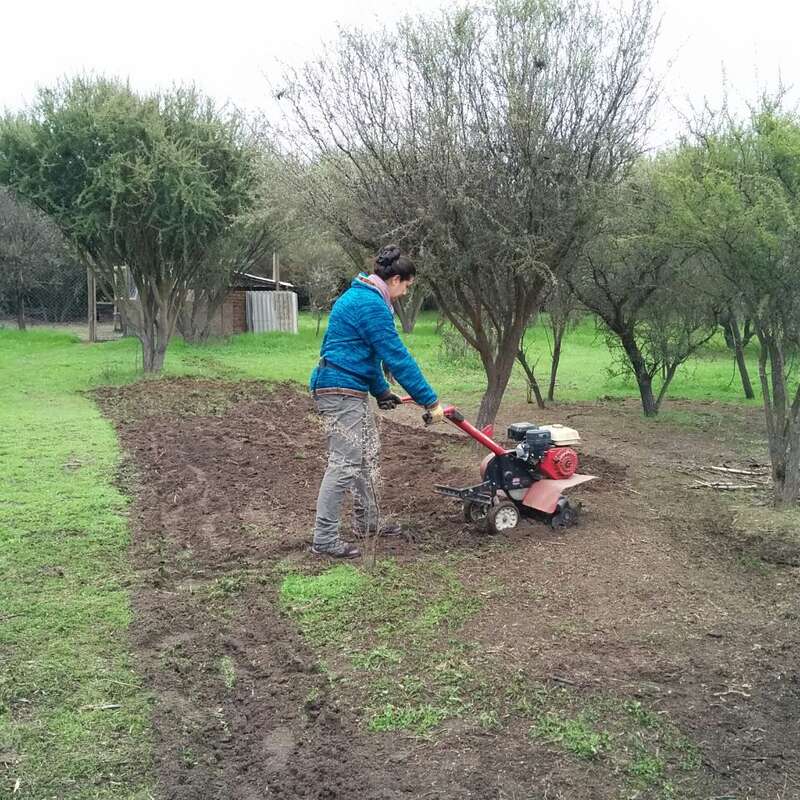
• gardening and preparing seedbeds
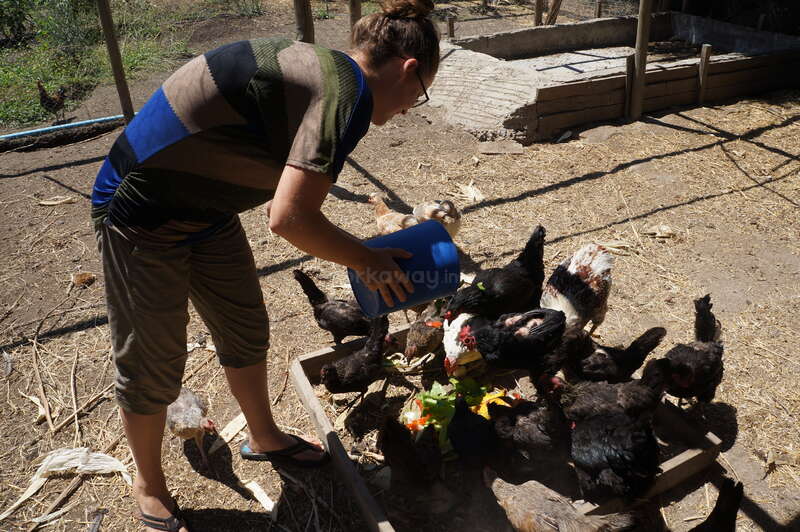
• caring for animals
• irrigation maintenance
• pruning trees
• compost management
• small construction with mud
• cleaning and maintaining shared spaces
• seasonal work on the land
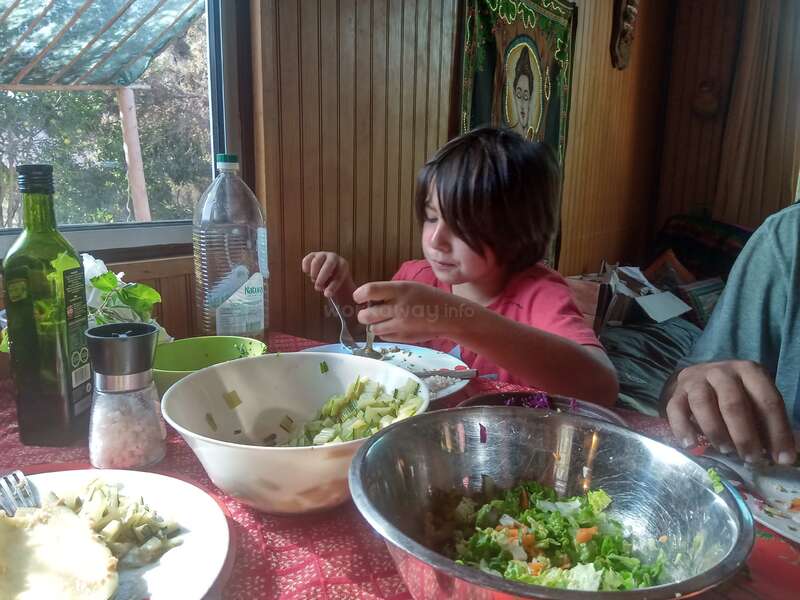
Meals are simple and mostly ovo-lacto vegetarian, based on vegetables, legumes, eggs and seasonal food. We eat meat occasionally but vegetarians are very welcome.
We have hosted volunteers from many countries (France, USA, Germany, Canada, Austria and others), with and without children. Spanish is the main language in the house.
More than workers, we are looking for people who want to experience real rural life, learn by doing and share a respectful community environment. -

Types of help and learning opportunities
 Charity Work
 Art Projects
 Language practice
 Help with Eco Projects
 Teaching
 Light gardening
 Animal Care
 Creating/ Cooking family meals
 Help around the house
 Hospitality/Tourism
 Light maintenance
 Help with Computers/ Internet
-

Interests
 Music
Music Languages
 Plant care
 Cooking & food
 Gardening
 History
 Carpentry
 DIY & crafts
 Hitchhiking
 Architecture
 Animals
 Politics / Social justice
 Sustainability
 Pets
Pets Self development
 Farming
 Yoga / Wellness
 Mountain
 Hiking
 Nature
 Dancing
 Camping
 -

Cultural exchange and learning opportunities
Living here is an opportunity to experience real rural life in central Chile while learning practical skills connected to the land.
Volunteers can learn about:
• small-scale agroecology and natural gardening
• native forest restoration and planting native species
• irrigation systems and water management in dry landscapes
• composting and soil regeneration
• fire prevention practices such as clearing vegetation and creating firebreaks
• basic bioconstruction with natural mud
• caring for farm animals (horses, chickens, ducks, etc.)
• maintaining a natural swimming pool filtered by plants
• simple rural maintenance and hands-on problem solving
Beyond practical work, volunteers also experience daily community life in a Chilean rural household: sharing meals, conversations and learning how life works in a small town.
In their free time travellers can enjoy:
• swimming in the natural pool
• walking in the nearby hills and native landscapes
• visiting the Puangue estuary
• bird watching and nature observation
• horseback riding from time to time
• visiting nearby organic projects and small farms in the area
The town of Curacaví is about 7 km away, and it is easy to reach by local shared taxis (“colectivos”) or occasionally with neighbours.
The cultural exchange happens naturally through daily life, shared meals, stories and the experience of living together in a small rural community. -

Projects involving children
This project could involve children. For more information see our guidelines and tips here.
-

Help
Typical help in the land may include:
• preparing seedbeds and sowing
• gardening, seasonal harvest and plant care
• pruning trees and clearing vegetation
• creating and maintaining firebreaks for wildfire prevention
• preparing and maintaining irrigation systems
• repairing irrigation pipes and water lines
• compost management
• caring for animals (feeding chickens, ducks, horses, etc.)
• cleaning animal areas and corrals
• working with the horses and helping with basic horse care
• cleaning and maintaining the natural swimming pool
• preparing natural mud for small construction projects
• helping with simple construction and repairs around the land
• general maintenance and cleaning of shared spaces
• helping in the kitchen and daily household tasks
Tasks change depending on the season and the needs of the land. -

Languages
Languages spoken
Spanish: Fluent
English: BeginnerThis host offers a language exchange
Nos gusta mucho practicar inglés, y también es lindo escuchar otros idiomas como francés, alemán u otros. Nos gusta mucho el intercambio cultural y aprender algunas palabras nuevas de las personas que vienen de diferentes partes del mundo. -

Accommodation
Type of accommodation
There are two small cabins on the land. One is used by the family (Paula and her two children), and the other cabin is for volunteers.
The volunteer cabin is a simple one-room space with two bunk beds and one additional single bed, so there are five single beds in total. The space is shared and simple, but comfortable for rural life.
Next to the cabin there is a dry compost toilet, which is part of our effort to live with lower environmental impact.
Food is shared in the house. Most evenings we cook and have dinner together, which is an important moment for conversation, sharing stories and building community.
During the day schedules can be different because the children are at school and Paula works in the municipality, but in the evenings we try to share meals together as much as possible.
We usually buy food for the whole month, as there are normally around six people living in the house, so we ask everyone to be mindful of food and help take care of the shared supplies so they last for everyone. We especially try to maintain healthy food for the children.
Living here means sharing daily life as a small community, helping each other and taking care of the space we all use. -

What else ...
This is a small family project, not a hostel or tourist place. Life here is simple and connected to the rhythm of the land, animals and seasons.
We live as a small community, so respect, collaboration and open communication are very important for a good experience for everyone.
The property is rural and some things are simple compared to city life. For example, we use a dry compost toilet, and volunteers help care for shared spaces such as the kitchen and common areas.
Because Paula works during part of the day, volunteers are expected to be responsible and able to work independently with the tasks agreed in the morning.
In free time there are many beautiful natural places nearby to explore: hills for walking, the Puangue estuary, local farms and the small town of Curacaví about 7 km away.
Most evenings we like to share dinner together, talk about the day and enjoy the quiet rhythm of the countryside.
People who enjoy nature, simple living and community life usually feel very comfortable here. -

A little more information
-

Internet access
-
Limited internet access
-
We have pets
-
We are smokers
-
Can host families
-
-

Can host digital nomads
Hola! Nuestra casa es un espacio familiar donde vivimos Paula y sus dos hijos. Durante el día los niños están en el colegio en el pueblo, por lo que suelen estar en casa principalmente en las tardes. Paula trabaja como Encargada de Medio Ambiente en la Municipalidad de Curacaví, por lo que además de cuidar nuestra parcela también trabaja en proyectos ambientales para la comunidad. Esto significa que durante parte del día los voluntarios trabajan de forma bastante autónoma, siguiendo las tareas que organizamos juntos en la mañana. La vida en la parcela es tranquila y sencilla, muy conectada con la naturaleza, los animales y el trabajo de la tierra. Buscamos que quienes vengan puedan integrarse al ritmo del lugar y disfrutar también de la vida comunitaria.
-

Space for parking camper vans
La parcela es grande y tranquila, y hemos recibido voluntarios viajando en campervans antes, por lo que son bienvenidos. Si viajas con tu casa rodante podemos encontrar un lugar adecuado para estacionar dentro de la parcela. De todas maneras, la idea es que quienes se queden aquí se integren a la vida del lugar, compartiendo algunas comidas, conversaciones y el ritmo cotidiano. También conocemos muchos lugares hermosos en los alrededores para visitar.
-

Can possibly accept pets
Nosotros vivimos con varios animales en la parcela: caballos, gallinas, patos, cuyis (cobayas), perros, gatos y abejas. Las mascotas son bienvenidas siempre que estén acostumbradas a convivir con otros animales y no representen un riesgo para ellos. Es importante recordar que llegarás a una pequeña granja donde todos los animales son parte del lugar y deben ser respetados.
-

How many Workawayers can stay?
More than two
-

My animals / pets

Abejas (1 year)
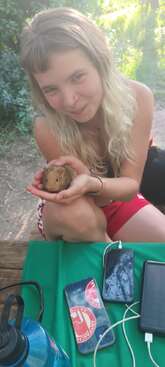
Coballas (7 months)
Las coballas son muchas, se reproducen y nos proporcionan otros abonos para nuestros arboles !

Cerpiente Negra (3 years)
Certpiente Negra es una yegua muy tranquila, buena para montar, pero medio complicada para tomarla, y le gusta mantener a distancia a los otros caballos...

Calendula (2 years)
Calendula es una gata amarilla, muy inteligente, regalona y audaz, se mueve por toda la parcela, pero en las noches la guardamos para cuidarla de los animales salvajes.

Princesa (2 years)
Ella es una dama, todos los voluntarios la aman, y le gusta mucho el cariño !

Spike (2 years)
Spike es un perro perfecto, mescla de labrador (amigable y jugeton) con border colly (extremadamente inteligente) entonces, es simplemente perfecto... =) ama a los voluntarios y es muy responsable en cuidar de la parcela por las noches !
Chat with Workawayers who've visited this host

Feedback (1)
Durante la primera semana sus dos hijos estaban presentes y se llevaron muy bien con nuestros dos hijos.
El trabajo era … read more
Photos

Chat with Workawayers who've visited this host
Feedback
Durante la primera semana sus dos hijos estaban presentes y se llevaron muy bien con nuestros dos hijos.
El trabajo era … read more