Profile information
-

Host rating
65 %
-

Last replied
4 May 2026
-

Feedback
-
-

Email verified
Badges (1)


Find your perfect host







Min stay requested: at least a week
Details
-

Description
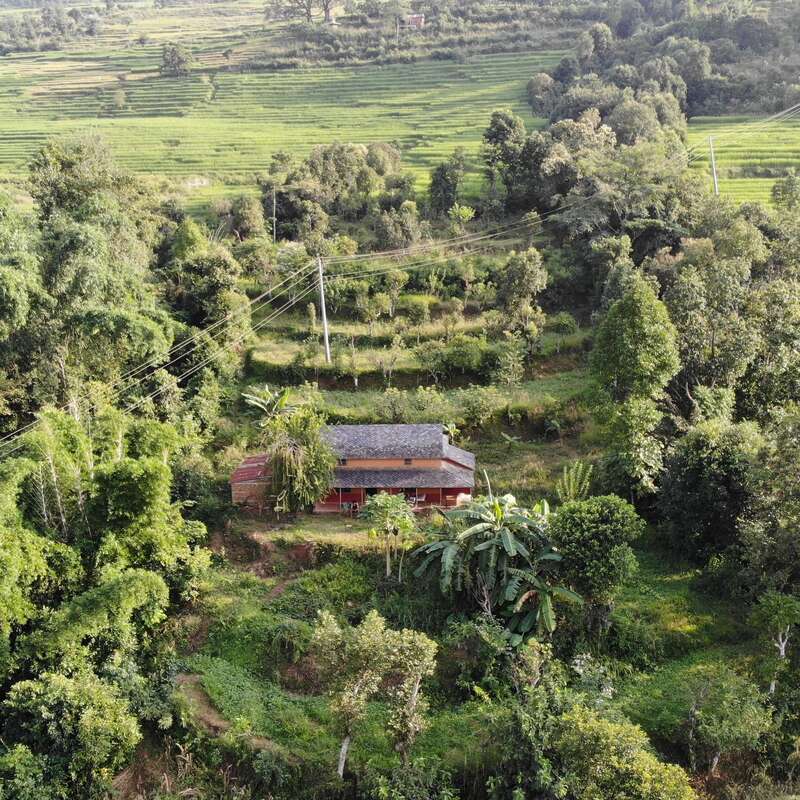
Our farm is a small, family-run two-hectare regenerative farm located about 90 km from Nepal’s capital city. Surrounded by hills, forests, and traditional villages, it is a place shaped by nature, simplicity, and a slower rhythm of life. We are developing the land as a regenerative living space where people can reconnect with nature and experience a more grounded way of living.
I live here with my family and actively practice regenerative approaches such as agroforestry, natural farming, organic vegetable gardening, permaculture, natural building, and thoughtful landscape design. My parents are the primary caretaker and they speak good enough English when I am not there and they are deeply involved and continue the traditional farming practices of the land. Alongside my family, we work with seasonal workers and community when needed.
Our vision is to nurture a lifestyle that supports local livelihoods, builds a small regenerative economy, and inspires younger generations to see that living closely with nature can be both meaningful and sustainable. The farm has been evolving for the past four years and continues to grow through experimentation, learning, and collaboration.
Volunteers can take part in a variety of hands-on activities depending on the season. These may include natural building projects such as compost systems, benches, sheds, ovens, and fire spaces; planting trees and developing a small food forest; participating in traditional rice cultivation; small landscaping tasks like making paths and water channels or setting up simple rainwater harvesting systems; preparing fermented foods and drinks such as pickles and kombucha; and helping care for animals like goats, buffaloes, and chickens. We are also open to creative ideas that contribute to farm life and the surrounding community.
Accommodation is simple and nature-based. Volunteers can stay in tents set up around the farm or bring their own tent if they prefer. For longer stays, there is also a small mud house with an attached toilet available for a small contribution.
As our farm operates on limited resources, we ask volunteers to contribute a small fee to cover food costs. In return, we provide two simple, locally sourced meals each day, often prepared with ingredients grown on the farm.
Because this is a quiet family farm, the environment is best suited for people who enjoy slower living, fewer crowds, and meaningful work with the land. We value a calm and respectful atmosphere, so loud parties, drugs, or disruptive behaviour are not encouraged. We warmly welcome people who genuinely wish to learn, share experiences, and live alongside us in this way of life. -

Types of help and learning opportunities
 Art Projects
 Help with Eco Projects
 Light gardening
 Creative DIY projects
 Animal Care
 Farmstay help
 Hospitality/Tourism
-

Interests
 Videography
 Sustainability
 Self development
 Movies & TV
 LGBTQ
LGBTQ Farming
 Culture
 Writing
 Plant care
 Photography
 Performing arts
 Music
Music Gardening
 Drawing & painting
 DIY & crafts
 Cooking & food
 Carpentry
 Books
Books Blogging
 Astronomy
 Art & design
 Architecture
 Animals
 Yoga / Wellness
 Outdoor activities
 Nature
 Hiking
 Cycling
 Camping
 -

UN sustainability goals this host is trying to achieve
-

Cultural exchange and learning opportunities
We are situated at a small village in dhading. We have 7-8 neighbors around our area. They are originally from here so they have a lot of cultural and traditional knowledge about the place. Me and parents also live here so they are also around to talk to. We love our culture and would love to share whatever we can share.
-

Help
As our farm is still evolving, we are always open to new ideas and creative contributions that can strengthen the land and the community. Volunteers can support us in a range of hands-on activities depending on the season and their interests.
Some of the areas where help is welcome include:
- Natural building projects using earth, bamboo, and other local materials (compost systems, benches, sheds, ovens, fire spaces, dry toilets, small dormitory structures).
- Agroforestry and tree planting, helping us expand our mixed food forest and improve biodiversity on the land.
- Traditional rice cultivation, where volunteers can learn and participate in the full cycle—from nursery preparation and planting to harvesting and processing.
- Small landscape and water management projects, such as building paths, digging water channels, mulching beds, and setting up simple rainwater harvesting systems.
- Food processing and fermentation, including brewing probiotic drinks like kombucha, experimenting with fermentation, and making pickles and preserved foods.
- Animal care, helping feed and look after goats, buffaloes, and chickens while learning about integrated farm systems.
- Organic vegetable gardening, seed saving, compost making, and soil regeneration practices.
- Creative contributions, such as improving farm spaces, documentation, photography, teaching small skills, or sharing ideas that support regenerative farming and community development.
We see volunteering as an exchange of knowledge and experience, so we appreciate people who are curious, willing to learn, and happy to contribute their skills while working with the rhythm of the land. -

Languages
Languages spoken
English: Fluent
Hindi: Fluent
Nepali: FluentThis host offers a language exchange
This host has indicated that they are interested in sharing their own language or learning a new language.
You can contact them directly for more information. -

Accommodation
Accommodation
We currently offer two accommodation options on the farm. Volunteers can stay in comfortable tents set up around the land at no cost, allowing you to experience living close to nature. Volunteers are also welcome to bring and pitch their own tent if they prefer.
For those who would like a bit more comfort, we also have a small mud house with an attached toilet available. As this space requires maintenance and upkeep, we ask for a small contribution from volunteers who choose this option.
We are also in the process of building a simple dormitory space as part of our ongoing natural building projects.
Food
Food on the farm is mostly locally sourced and often grown on the land itself. Because the farm operates with limited resources, volunteers contribute a small amount to cover food costs. In return, we provide two simple meals per day, usually made from fresh seasonal ingredients from the farm and local markets.
Meals are often shared as a community experience, and volunteers may occasionally join us in preparing food together. -

What else ...
There are buses coming from kathmandu to dhading every other hour. It usually takes 3 hours to get to the farm. You will have to get dropped of at baneli bus stop before reaching sasha village before reaching to dhading besi. The baneli bus stop near sasha village is 5 km away from the farm. You can hike from there which is one hour or call (ask us for the number of driver) or a ride sharing app
Gobinda Naharki- charges around 600 to drop in the farm)
We are a family farm so people who likes solitude, less people, loves working with soil should apply. We are not party people so we dont encourage loud music, party and drugs. We want people to really come to learn the process of living and doing with us. -

A little more information
-

Internet access
-

Limited internet access
-
We have pets
-
We are smokers
-
Can host families
-
-

Can host digital nomads
We have internet access. Not super fast but we can do zoom sessions, meeting etc easily with the internet here. but we have power cuts if there is rain or thunder. But mobile data works well in our farm too.
-

How many Workawayers can stay?
More than two
-

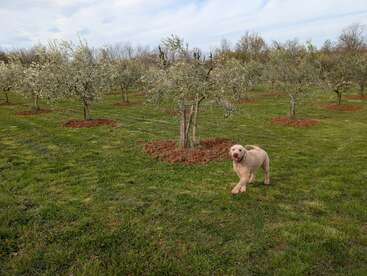
My animals / pets
Ram-bo










Photos