





Profile information
-

Host rating
100 %
-

Last replied
24 Aug 2026
-

Reply rate
100.0 %
Usually responds within 1 day
-

Feedback
60
-

Facebook verified
-

ID verified
-

Email verified
Badges (5)





Find your perfect host


Min stay requested: at least 1 month
Details
-

Description
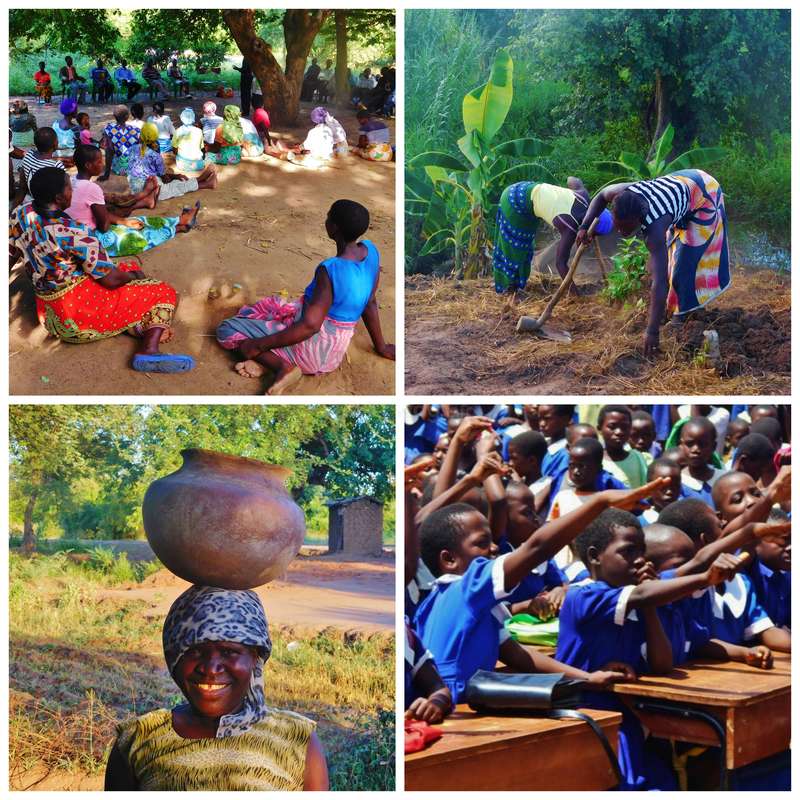
We are a Local Humanitarian women-centred non-profit organization working on Climate Change adaptation and Mitigation in the rural areas of Malawi, where we have been operating since 2016. Our Head Office is in Chikwawa, Southern Malawi.
With extensive experience in disaster-prone areas,our focus revolves around addreessing variouse intersecting issues within Climate Change Adaptation and Mitigation as follows:
1. Climate Vulnerability and Low Adaptive Capacity in Flood-Prone Communities
2. Poor Sanitation, Weak Community Systems, and Limited Advocacy Platforms
3. Chronic Food Insecurity and Limited Economic Opportunities
4. Weak Health Systems and Limited Access to Integrated Community Health Services
5. Weak Governance Systems, Protection Gaps, and Safeguarding Risks
Our current projects are:
Theme: Climate Change, HIV Resilience & Community Empowerment:
1. EMPOWERMENT OF PEOPLE LIVING WITH HIV (PLHIV)
(Climate-Smart Livelihoods & Economic Resilience)
Expanded Key Activities
1.1 Seasonal Agricultural Support (Main & Winter Cropping)
• Conduct baseline livelihood and food security assessments for all 4 support groups
• Procure and distribute climate-resilient farm inputs, including:
• Drought-tolerant maize seeds
• Legumes (beans, pigeon peas, groundnuts)
• Vegetable seeds (for winter production)
• Organic and inorganic fertilizers
• Promote crop diversification to reduce climate risks
• Facilitate winter cropping using irrigation schemes (Shire River / small-scale systems)
• Provide extension support through lead farmers and field officers
• Conduct post-harvest management training (storage, processing, value addition)
Result: Year-round food production and improved nutrition for ART adherence
1.2 Village Savings and Loans Associations (VSLA) Strengthening
• Formation of new VSLA groups within each support group
• Training on:
• VSLA methodology and governance
• Savings cycles and share-out systems
• Record keeping and transparency
• Introduce digital or simplified financial tracking tools where possible
• Provide start-up saving kits (cash boxes, record books, passbooks)
• Link VSLA groups to:
• Small-scale IGAs (e.g., poultry, vegetable sales, petty trade)
• Local microfinance institutions (long-term sustainability)
• Conduct quarterly VSLA performance reviews
Result: Increased access to capital, reduced vulnerability, and financial independence
1.3 Climate-Smart Agriculture & Resilience Building
• Training modules on:
• Conservation agriculture (minimum tillage, mulching)
• Water harvesting technologies (swales, ridges, treadle pumps)
• Integrated farming systems (crop + livestock)
• Establish 4 group demonstration gardens (1 per support group)
• Introduce small livestock pass-on schemes (goats, poultry, pigs where possible)
• Promote agroforestry and tree planting (fruit trees, soil restoration trees)
• Facilitate farmer field schools and exchange visits
Result: Increased resilience to droughts, floods, and climate shocks
2. HUMANITARIAN RESPONSE – FOOD ASSISTANCE FOR PLHIV
Expanded Key Activities
2.1 Quarterly Emergency Food Distribution
• Conduct beneficiary verification and targeting with community leaders
• Distribute food packages every quarter (4 cycles/year)
• Ensure nutrition-sensitive targeting (pregnant women, undernourished clients)
• Maintain distribution registers and accountability systems
• Integrate health talks during distribution days
Enhancement: Introduce community-based targeting committees to improve transparency
2.2 Online Fundraising & Resource Mobilization
• Develop a digital fundraising strategy and calendar
• Produce:
• Short impact videos
• Beneficiary stories (before/after)
• Photo documentation
• Engage international volunteers in:
• Social media campaigns
• Grant writing support
• Crowdfunding initiatives (e.g., GoFundMe-style platforms)
• Strengthen DIN online presence (Facebook page, website updates)
Result: Diversified funding streams and increased global visibility
2.3 Nutrition Education & Behaviour Change
• Conduct monthly nutrition sessions at support group level
• Demonstrate:
• Balanced diets using locally available foods
• Food preparation for PLHIV
• Promote kitchen gardens at household level
• Integrate nutrition messaging into ART adherence sessions
Result: Improved dietary diversity and treatment outcomes
3. CHILDREN’S CORNER – PROTECTION, PLAY & MENTAL HEALTH
Expanded Key Activities
3.1 Revamping & Operationalization of Children’s Corners
• Rehabilitate existing structures and create child-friendly safe spaces
• Procure:
• Play materials (balls, ropes, board games)
• Learning materials (books, drawing kits)
• Develop a weekly activity schedule for children
3.2 Child Protection & Community Safeguarding Systems
• Train community child protection committees
• Conduct awareness campaigns on:
• Child abuse
• Early marriages
• Child labour
• Strengthen referral pathways to social welfare and police
3.3 Mental Health & Psychosocial Support (MHPSS)
• Train facilitators in basic psychosocial support skills
• Conduct:
• Structured play therapy sessions
• Group counselling sessions
• Establish referral linkages with health facilities for complex cases
3.4 Life Skills, Hygiene & Climate Awareness
• Conduct sessions on:
• Hygiene and sanitation practices
• Climate change awareness (child-friendly approaches)
• HIV stigma reduction and inclusion
• Introduce school support initiatives (basic learning reinforcement)
Result: Holistic development and protection of vulnerable children
3. EARLY CHILD HOOD EDUCATIN IN PRE-SCHOOLS
We offer a number of volunteer opportunities where you can lend a helping hand to the community and learn about the inner workings of a grassroots NGO.
4. VOLUNTEER ENGAGEMENT & CAPACITY STRENGTHERNING (OFFICE-BASED SUPPORT)
To enhance organizational efficiency, visibility, and resource mobilization, the program will actively engage both local and international volunteers to support office-based functions. These volunteers will contribute technical skills, innovation, and global perspectives to strengthen the operations.
Key Activities:
• Online Fundraising Campaigns:
Volunteers will support the design and implementation of digital fundraising initiatives, including crowdfunding campaigns, donor outreach strategies, and content creation for fundraising appeals.
• Social Media Management & Digital Presence:
Volunteers will assist in updating and managing social media platforms (e.g., Facebook, LinkedIn, Instagram), creating engaging content, sharing success stories, and promoting program activities to increase visibility and stakeholder engagement.
• Grant Proposal Development & Editing:
Skilled volunteers will help in drafting, reviewing, and editing grant proposals to improve quality, alignment with donor priorities, and success rates in securing funding.
• Documentation & Reporting Support:
Volunteers will assist in compiling reports, success stories, case studies, and newsletters to showcase program impact and support donor communication.
• Website & Digital Content Development:
Volunteers with IT and digital marketing skills will support website updates, blog writing, and optimization of online platforms to reflect current activities and achievements.
• Administrative & Coordination Support:
Volunteers will help with general office tasks such as data entry, filing, scheduling meetings, and coordinating communications with stakeholders.
• Capacity Building & Skills Transfer:
Volunteers will conduct mini-trainings or mentorship sessions for staff on areas such as digital marketing, proposal writing, and communication strategies to ensure sustainability.
Volunteer with us and you will have an unforgettable experience while making a difference in the lives of Malawians in need. While staying with us in the “Warm Heart of Africa” you will also get to experience traditional Malawian life and immerse yourself in the HIV & AIDs. -

Types of help and learning opportunities
 Charity Work
 Art Projects
 Language practice
 Elderly Companionship
 Teaching
 Creative DIY projects
 Farmstay help
 Babysitting and creative play
 Help with Computers/ Internet
-

Interests
 Cycling
 -

UN sustainability goals this host is trying to achieve
-

Cultural exchange and learning opportunities
It will be an unforgettable experience - you will get to engage in Malawian life, learn more about our culture, share your knowledge and get to know and learn from the locals. You will also have a chance to make a difference in the lives of some of the poorest people in Malawi. Volunteering can be a great way to build confidence, develop personally, learn new skills or even just develop old ones.
-

Registered charity
This host is a registered charity in their country and is looking for volunteers to help with their project(s).
-

Projects involving children
This project could involve children. For more information see our guidelines and tips here.
-

Help
The Lower Shire, where we are based, is one of the poorest regions in Malawi and there are many areas in which volunteers are needed. Let us know what your interests and skills are and we will build a volunteer program for you through our own programs or through programs of local affiliates such as schools, youth clubs or HIV support groups whom we regularly work with.
Volunteers can offer their help as a teacher and assist in a Pre-school. Your input will be a great help and much appreciated as schools are often under staffed and lack resources. Experienced teachers are particularly welcome.
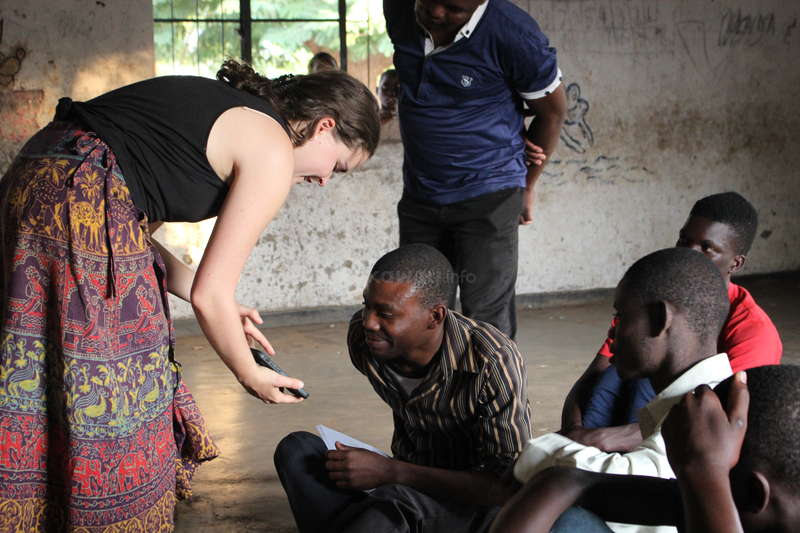
You can assist program staff with training and awareness activities on issues such as: water, sanitation, hygiene, sexual health, HIV/AIDS, gender equality, child marriage prevention and youth development. Availability of this work will depend on which groups are active at the time and will be tailored to fit the specific needs of the group.
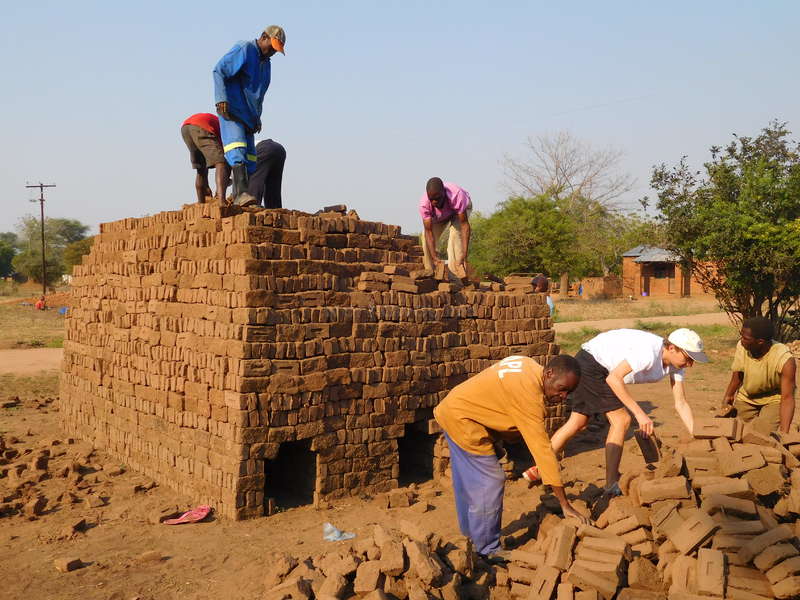
Volunteers can work with our farm clubs to provide training in improved farming techniques and compost making as well as business and marketing. You will have the chance to experience what life is like for subsistence farmers in Malawi.
As a small NGO, we are always in need of an extra pair of hands in the office. In addition to working in the field, a large part of running an NGO is spent at the office. If volunteers are skilled and interested in volunteering at the office, they can help with writing and editing proposals, research, carrying out fundraising activities, assisting with online marketing, updating social media and website design in addition to their field volunteering tasks. Skilled photographers or film makers can also contribute by making promotional materials for our local NGO. -

Languages
Languages spoken
English: Fluent
Chichewa, Chewa, Nyanja: FluentThis host offers a language exchange
Our varnacularlanguage is Chichewa,it is very interesting. For example,mwadzuka bwanji means good morning. -

Accommodation
Volunteers will stay with a host family which is a great opportunity to experience the unique culture of Malawi. When staying with a host, we will ensure you are safe and well looked after. Your food will be prepared by the family and you will receive three meals a day. Chikwawa is one of the poorest regions in Malawi and many people struggle to feed their families so we ask volunteers to pay $9 a day towards their food as we want to ensure you are well fed.
-

What else ...
If you would like to explore other parts of Malawi while you are here, there are a variety of things to do on your time off. Majete Wildlife Reserve and Lengwe National Park are both easily accessible from Chikwawa - wildlife viewing can be done from a game viewing vehicle or on a bushwalk for the more adventurous. You can climb Mount Mulanje the highest mountain in Malawi (over 3000m) or go hiking in the Zomba plateau. You can visit Lake Malawi - relax by the lake, go kayaking or snorkelling! Or you can stay in Chikwawa where you can experience village life and culture, enjoy Malawian music, dance and learn some traditional cooking.
Most international flights go to Lilongwe International Airport. However, it is also possible to fly to Chileka International Airport, near Blantyre, our nearest city. From Lilongwe you can get an executive coach to Blantyre, which takes approximately four hours. Whether you fly into Lilongwe or Chileka, a member of our staff will meet you in Blantyre and escort you to Chikwawa, using the local mini-buses.
Volunteers are responsible for arranging their own visas for Malawi, travel insurance and travel vaccinations. We recommend that volunteers take malaria tablets while here as Chikwawa is a malaria region; these should be attained before your visit.
Please bring culturally appropriate clothes (women should wear dresses, skirts or trousers below the knee) and clothes with light material, as it does get very hot in Chikwawa. -

A little more information
-

Internet access
-

Limited internet access
-
We have pets
-
We are smokers
-
Can host families
-
-

How many Workawayers can stay?
More than two
-


Chat with Workawayers who've visited this host



Feedback (34)
Living in Chikwawa comes with many challenges, including … read more
Thank you so much for this incredibly meaningful and unforgettable experience we were able to share with you. From the very beginning, Anderson and his family welcomed us with open arms, making us feel safe, valued, and truly at home. During our stay, we had the opportunity to work closely alongside the team, meet many of the … read more
From the very first day, I was introduced on the ground to the different projects and activities I could be involved in. The team is very open to ideas and suggestions, which made me feel immediately … read more
During his time with us, Wilfred provided both financial and technical support toward the renovation of … read more
I would like to express my deepest gratitude for the opportunity to volunteer with your organisation for six weeks. My time in Malawi has been one of the most meaningful and moving experiences of my life, and I feel truly privileged to have witnessed and contributed, even in a small way, to the important work you are doing.
One of the … read more
Photos

Chat with Workawayers who've visited this host
Feedback
These are extra optional ratings when members leave feedback. The average rating left for each option is displayed.
Accuracy of profile:
(4.9)
Cultural exchange:
(4.6)
Communication:
(4.6)
Living in Chikwawa comes with many challenges, including … read more
Thank you so much for this incredibly meaningful and unforgettable experience we were able to share with you. From the very beginning, Anderson and his family welcomed us with open arms, making us feel safe, valued, and truly at home. During our stay, we had the opportunity to work closely alongside the team, meet many of the … read more
From the very first day, I was introduced on the ground to the different projects and activities I could be involved in. The team is very open to ideas and suggestions, which made me feel immediately … read more
During his time with us, Wilfred provided both financial and technical support toward the renovation of … read more
I would like to express my deepest gratitude for the opportunity to volunteer with your organisation for six weeks. My time in Malawi has been one of the most meaningful and moving experiences of my life, and I feel truly privileged to have witnessed and contributed, even in a small way, to the important work you are doing.
One of the … read more
I had my own big room in Anderson's house. His family provided great local food and a cozy … read more
When Poppy and her partner arrived, we had two different assessment:
1. The first one was to see the challenges which people living in camps are facing because of the Cyclone Freddy
2. The other … read more
The town where they are based, Chikwawa, is a beautiful (and hot) … read more
I was a nutrition intern, while my fiance was a volunteer for 8 weeks. I’ve worked with HIV support group members, while Adam was creating media content and launching the new website. We had the impression, that due to COVID-19, the situation at the organization and among the locals was a bit different now, and that their … read more
While they were here, they helped us to formulate survey questionnaire for the People Living With HIV & AIDs especially on the part of stigma. They had an opportunity to interact with members of Support Groups … read more
I want to start by saying that I have a new family in Malawi now. I stayed with a host family that I totally adored. They have a big piece of my heart now! It was very hard to say goodbye.
I worked on the design of a office building and a vocational … read more
Life in Chikwawa is different, for once the standard of living is far lower, so don't expect a western standard of living, especially if you are doing a homestay, which I would really recommend btw (Greetings to Joshua and his family).
Furthermore here are to big cultural barriers, which … read more
I was lucky to help the organisation in alors all the projets : girls empowerement, youths empowerement, work with HIV & AIDS group. I tried to give to these people as much as they gave to me. We exchanged a lot about our different cultures and I tried to … read more
There you will be able to meet local people, understand their lives more deeply than the news we heard about Africa, live part of the conditions they are used to and enjoy the happiness and self-expression of such an incredible people. Anderson, Joshua, and the whole staff made me feel … read more
He is the first person to take pictures/videos and edit at the same time for our organization. Malawi is currently using his pictures/videos to do fundraise towards different projects.
Apart from his … read more
I signed up to be a photographer/videographer for the organization, but ended up having the opportunity to do more than just that. It's a very rewarding learning experience for me.
The organization has many projects that volunteers can be … read more
You inspired me personally with your music talent. Your music is so sweet and I hope to meet you again for a team work in music. Our little Faith … read more
Tom came … read more
This is a small NGO with plenty of opportunities to get involved in projects, office work or other areas where you feel comfortable fitting in. … read more
Jak & Lil have been working in adminstration especially proposal development. They have been also working with our youth clubs,Go Girls Initiative and Tikondane where they were delivering lessons. Jak & Lil bought a ball for the Go Girls which … read more
Our time at work was a nice mixture of work in the office and visiting the projects. We helped out with writing and editing proposals for … read more
All the NGO members are super nice and help you with whatever you need. So is the host family and you also have privacy in the house.
I really enjoyed my time there and you have also lots of time to go to Blantyre or … read more
Thanks again Emma and … read more
The opportunities you get when volunteering are … read more
Thanks on what you are still doing for us even you are away.
Be blessed Ane
Stay blessed Tomoa and continues doing the good work.
Thank you … read more
We encourage to do the same where you are going.
Miss you Becky stay blessed wherever you are going.
You are so special Jade, Keep it up for your hardworking.
Thanks so much
We cannot wait for someone to ask us to give an acknowledgement for your … read more
The breadth and depth of the work they are doing really is making a difference in the local community. I can't recommend the experience highly enough to others considering visiting and Chikwawa.
Life with the host family also gives a great insight into day-to-day life here, they were … read more
Enjoy your journey way back home to USA.
Than you so much Alice for visiting us.
Your support has enable people to learn new experience people are doing in the world.
We were in charge of three projects into 3 communities : teaching in a pre-school, animating in a youth club, and creating a fundraising page for a Farm Club.
For us, it was … read more
On behalf of our organisation I would like to you for your support you did for us in Chikwawa-Malawi. We really enjoyed you and your service, we missed you.
Your support still in use at the community and Office.
To those wish to know more about our community you can ask us or Lorraine she was like as Malawian lady.