Digital Nomads Spain: Best Cities to Live and Work Remotely
So, what's being a digital nomad really about? It's a chance to live a life that's anything but dull. No day is the same. When you take your eyes off the screen, instead of staring at the same office wall, your sight rests on the sea horizon or an exciting cityscape. You're probably still working those regular hours, maybe even more. But there's always something interesting to do after work, and you're constantly meeting new people. You don't feel stuck in a 9-to-5 routine anymore. This lifestyle does come with its challenges, but it also makes you feel like you live your life to the fullest, being on a long-lasting adventure and making your travel dreams come true right here, right now.
Thinking about packing your bags and becoming a digital nomad? Wondering where to even begin? Spain is definitely a remote work destination worth looking into if you want to live more locally and travel at a rather relaxed pace. In this guide, you'll get a clear look at what digital nomad life in Spain is actually like, the best cities to base yourself in, typical living costs, visa basics, ways to settle in, coworking and community options, after-work activities, and how volunteering can help make the move more meaningful and affordable.
Why Spain Is One of the Best Countries for Digital Nomads
Sunny weather, sandy beaches, a lively cultural scene, and delicious food - there is plenty to do in Spain after work. It’s no wonder remote workers and explorers of all sorts have been heading to the Iberian Peninsula. A lively digital nomad community guarantees you'll find other travellers to hang out with, whether you’re at a co-working spot or at some event.
Did you know that Spain has one of the most advanced fibre networks in the EU? It reaches about 95% of the population, according to a report from Fibre Council Europe. Having a solid internet connection is a game-changer for remote work, right? It means you're not frantically searching for reliable Wi-Fi before your next call.
Another big draw for digital nomads heading to Spain is their new Digital Nomad Visa. It was designed specifically to attract remote workers from outside the EU. This visa lets you live and work there legally, whether you're working for a company abroad or freelancing, as long as you don't have too many clients based in Spain. The visa does have some requirements, like needing private health insurance. On that note, it's good to know Spain also has excellent public healthcare, as confirmed by the WHO.
On Workaway, we have hundreds of volunteering opportunities in Spain, so chances are pretty good you'll find something that fits with your work schedule. This way, in exchange for 4-5 hours of help per day, you can seriously cut down on your accommodation costs. It's also a great way to connect with locals and experience Spanish culture and everyday life beyond your usual remote working routine. Just make sure you have the capacity for both remote work and volunteering, and enjoy the life of a local.
Plus, Spain is pretty affordable compared to a lot of other places in Western Europe, which is a big plus if you're thinking about staying for a while.

What Makes a Great Digital Nomad City in Spain
Spain really looks like a great spot for remote work, doesn't it? But before you start booking flights, let’s quickly touch on the best places for digital nomads. What should you actually look for when you're picking a spot?
- Reliable Wi-Fi: a good and stable internet connection is pretty non-negotiable for those working remotely. Nobody wants their call dropping when they're in the middle of something important, right? The broadband internet speed given for each Spanish city in my ranking comes from Speedgeo.net.
- Digital nomad community: coworking spaces or cafés that actually welcome people working. When you're living the nomad life, having a community around you makes a big difference.
- Lifestyle and after-hours activities: work-life balance really matters. It's one of the main reasons a lot of us take the chance to work remotely. Make sure there are cool things to do when you clock out.
- Cost of living: the real value of remote work lies in enjoying life, having the freedom to grab some tasty tapas and a glass of wine whenever you fancy, not just scraping by financially while staying abroad. The average prices for each city come from Numbeo.com.
- Good security level: a safe environment is essential for feeling relaxed, especially if you're traveling alone or planning to stay somewhere for a while. The safety score provided in the table below is based on Numbeo's Safety Index for 2026.
- How easy it is to settle in: arranging a visa, finding a place to rent, language barriers, and getting around. The less challenging that stuff is, the better.
- Volunteering opportunities: the more hosts there are in a location, the easier it usually is to find a volunteering spot that works for you, and that's when you get to experience the local life in the best way.

Where to Live in Spain as a Digital Nomad
Spain's a pretty safe place, all things considered, both for living and visiting. It's ranked as one of the 30 safest countries in the world, according to the Global Peace Index. So, whether you're in Madrid, Valencia, or Barcelona, you should feel secure as long as you follow general safety recommendations.
With a digital nomad visa introduced in 2023, Spain is also pretty easy to temporarily relocate to, even for non-EU remote workers and freelancers. And since English is pretty common in restaurants and public areas in the major cities, you probably don't have much doubt anymore that Spain is a great spot for us digital nomads. Of course, wherever you decide to base yourself, joining a local Workaway exchange can be another way to get beyond the usual tourist spots, meet people in the community and experience everyday life in Spain.
Still hesitating about which city to choose? Let's break down things like cost of living, leisure activities and how big the digital nomad scene is in the main Spanish cities. That should help you figure things out.
| City | Population | Cost of living | Average Internet Speed (Mb/s) | Co-working spaces | What to do after work | Safety* | Workaway experiences |
|---|---|---|---|---|---|---|---|
| Valencia | 850.000 | €€ | 252.9 | ~50 | beach, tapas & drinks, cycling, watersports, cultural events, local markets | 65.3 | family stays, language exchange, house & pet sitting, DIY & eco projects |
| Barcelona | 1.730.000 | €€€ | 260.5 | ~180 | beach, rooftop bars, tapas, live music, art exhibitions, cycling, hiking, sailing | 48.1 | child care, cultural exchange, art & creative projects, DIY & gardening |
| Madrid | 3.540.000 | €€€ | 281.2 | ~150 | tapas & wine, museums, theatre & musicals, football, nightlife, festivals, meetups | 71.3 | au pair, teaching & tutoring, DIY & restoration projects, gardening & household help |
| Las Palmas de Gran Canaria | 382.000 | € | 253.4 | ~ 30 | beach, water sports, hiking, boating, salsa nights, local dining, cultural events | n/a | community projects, art & creative projects, language exchange, sailing & boat maintenance, gardening & eco-projects |
| Malaga | 603.000 | €€ | 226.1 | ~ 40 | beach, chiringuitos, tapas, water sports, art & architecture, flamenco shows, hiking | 69.0 | family stays & childcare, cooking, DIY & household help, pet care & gardening |
Valencia for Digital Nomads Seeking Balance and Affordability
Valencia's popularity as a digital nomad hub has grown in recent years. There are plenty of coworking places with good internet, so staying productive shouldn't be a problem. It's not as cheap as it used to be, but for Western Europe, it's still pretty reasonable. You can grab some patatas bravas for about €3.50, and a glass of wine isn't much more.
It's not just lower prices that attract remote workers to Valencia, though. Once you're here, there are plenty of opportunities to get a taste of local life and discover the city's everyday traditions. It’s a perfect place for those interested in exploring culture and customs, and you don’t have to wait until the weekend to do it. For example, you can enjoy tardeo after you've closed your laptop. This Spanish social ritual is all about making the most of the late afternoon with tapas, drinks and friends. It's also a great way to meet locals and feel part of the community, not just someone passing through.
If you like being right in the middle of things, with neighbourhood cafés, markets and restaurants just a stone's throw away, stay in El Carmen or Ruzafa. Want to live closer to the sea and experience the atmosphere of a traditional fishing neighbourhood? Cabanyal is a good choice. And here's a nice little perk for those watching their budget: renting a place in Valencia is usually about €200 cheaper per month than in Madrid or Barcelona.
What to do in Valencia in your free time if you're trying to keep costs down? The city is flat, great for cycling, and has plenty of green spaces, the beach, and good weather most of the year. You can cycle through the Turia Gardens, pick up fresh ingredients at Mercado Central for a home-cooked lunch, and then head to the beach. And honestly, just people-watching from a cafe with a horchata can be an experience in itself.
Barcelona for Networking and Creativity
Barcelona is no doubt one of the top go-to spots for digital nomads in Europe. Why? It's a lively, artsy city with a fantastic vibe and so much going on, plus it’s right on the beach. On top of it, it’s got regular nomad meetups, laptop-friendly cafes and the largest number of coworking spaces in Spain. Whether you're an artist looking for inspiration, a creative professional hoping to exchange ideas, or a freelancer looking for collaborators, you'll have plenty of chances to meet like-minded people.
And the creative energy doesn't stop flowing after hours. Barcelona is practically an open-air gallery, with Gaudí's UNESCO-listed works like Sagrada Família, Casa Batlló, Casa Milà, and the 42-acre Park Güell. On a day off, tap into your artistic side by joining a ceramics workshop, trying traditional Catalan mosaic- making, or taking an art class alongside local artists.
For a real taste of local life, browse the stalls at Mercat de Santa Caterina, look for independent galleries and creative workshops in Poblenou, or join a neighbourhood festival to experience Catalan traditions firsthand. There's always something new and inspiring to discover, even if you're staying for months.
All this comes at a price, though. Renting a place in Barcelona can actually be more expensive than in Madrid, and coworking spaces generally cost more than in Málaga or Valencia. Dining prices, however, are comparable. You can get tapas to share and sangria or beer quite affordably, around €3-€4 per glass. Eating out doesn't always have to be expensive, either, especially if you explore neighbourhood bars and restaurants away from the main tourist areas.
Does the Catalan capital sound like the right place for you? Read more in our Barcelona travel guide.

Madrid for Culture and Cosmopolitan Living
If you're drawn to the buzz of big cities, love meeting people from different backgrounds and want cultural experiences right on your doorstep, Madrid might be your spot. It's got impressive coverage of high-speed internet and over 150 coworking places, which is a huge plus for digital nomads aiming to grow their professional circles. With so many international meetups, networking events and cultural happenings, you'll have plenty of opportunities to make connections, both professional and personal.
Living in Madrid isn't cheap; it's certainly more expensive than in Valencia or Malaga. For a one-bedroom apartment in the centre, expect to pay about €1,360. A day pass at a coworking space will set you back between €15 and €30. The good news? Public transport is pretty reasonable – a single ride is just €1.50.
Even though it's the second-largest metropolitan area in the EU, Madrid has a surprisingly relaxed vibe and sociable atmosphere, which means there are plenty of opportunities to meet people from different backgrounds. After a busy day of remote work, join a picnic in Retiro Park or settle down at one of the terraces along the Gran Vía for a few beers and the sunset.
For art lovers, the world-class museums like the Prado and Reina Sofía are a real treat. And there's no better way to experience Madrid's social scene than embracing its food culture. Try callos a la madrileña at a traditional tavern, explore the tapas bars of La Latina, or simply get lost in the old streets and see where the evening takes you.
If you're thinking of staying for a while in the Spanish capital, check out our Madrid travel guide.
Malaga for Local Culture and Andalusian Living
Malaga is my top choice for remote work, especially if you're keen to explore local culture and experience more of everyday life. It's a gateway to exploring magical Andalusia with its rich culture, lively traditions and laid-back lifestyle. But even in the city itself, you've got the old Roman theatre and the mediaeval Alcazaba fortress, plus nearly 40 museums of different kinds! You could join a local art workshop or a Spanish language exchange to meet people and get a little closer to the Andalusian way of life.
And if you're a foodie, you'll love the local food scene. There are tons of tapas bars tucked away on the cobblestone streets of the old town, where you can practise your Spanish with the locals while enjoying specialities like espetos and boquerones fritos. Be sure to visit Mercado de Atarazanas, where you can shop for fresh ingredients and experience the energy of everyday life.
On the weekends, hang out with your local friends on Malagueta beach, explore the whitewashed villages of Andalusia, or join a neighbourhood festival. It's a great way to discover a side of southern Spain that many short-term visitors miss.
The prices in Malaga have gone up over the last few years, but it's still relatively affordable compared to Barcelona or Madrid. Renting a place generally costs less, and eating out won't necessarily break the bank either. You can grab a lunch menu (menú del día) for around €10, and a glass of vermouth is usually just €2 or €3. Add the sunny climate, welcoming outdoor lifestyle and plenty of opportunities to connect with locals, and you've got a pretty tempting base for a longer stay.
Las Palmas for Surfing and Island Living
Las Palmas is the smallest city on my list, and a great choice for those who'd rather swap the big-city rush for a slower island lifestyle. There aren't as many coworking spots compared to other places, but it's still a big draw for digital nomads. And it's easy to see why. With sunny weather all year round, a relaxed atmosphere and plenty of opportunities to enjoy the outdoors, it's a place where work doesn't have to take over your life. You can set up your laptop on the terrace of your accommodation or find a cosy coffee shop, then make the most of your free time exploring the island or getting to know the locals.
Another big plus for Las Palmas as a remote work base? The prices. It's surprisingly affordable, which I found unexpected considering how amazing the place is, no matter when you visit. Take Las Canteras beach, for instance: 3 kilometres of sand that shifts from yellow to black. You can go for a run before work, grab lunch at a café along the promenade, and practise your surfing skills in the afternoon. It's the kind of daily routine that makes you forget you're supposed to be working remotely!
But what I love most about Gran Canaria is the outdoor lifestyle! Go on a hike to the remote Güi Güi beach or climb Pico de las Nieves. You can surf Atlantic waves in El Confital, go snorkelling in the crystal-clear waters of Playa Amadores, or cycle along scenic coastal routes. And when the weekend comes, head south to explore the golden dunes of Maspalomas, the picturesque harbour of Puerto de Mogán, or traditional mountain villages, such as Teror or Tejeda. If you stumble upon a local festival while you're there, that's really the best way to experience the island's traditions and get a glimpse of local life.

Cost of Living for Digital Nomads in Spain
Sure, Spain's got some competition when it comes to cheaper European destinations, but not many nail that sweet spot between affordability, comfort, and a variety of things to do. Then you add the great weather and amazing food, and it’s no wonder digital nomads love it here. Admittedly, prices in Spain have gone up, like pretty much everywhere lately, but compared to Northern or Western Europe, it’s still pretty reasonable.
I’ve put together a rundown of what you might spend in the main Spanish cities – rent, utilities, phone, coworking, and the daily expenses like coffee and meals. How much you end up spending as a digital nomad really comes down to your lifestyle. Like, whether you're sharing a flat or want your own little place, that's obviously going to change your monthly bills.
Valencia and Malaga stand out as balanced options with moderate living costs. A one-bedroom place in the center there runs about €1,300 a month. If you're keen to hang out with other digital nomads, expect to pay €10–€20 for a daily pass to a coworking space. Usually, they have weekly and monthly options that bring the price down.
A decent meal at a casual restaurant will set you back around €15 in any of these cities. Now, if you're thinking Madrid or Barcelona, you'll need to factor in higher costs for rent, bills, and coworking. The upside, though, is you get top-notch workspaces, way more networking chances, and a really vibrant digital nomad scene.
For the most budget-friendly and a bit of a quieter, more laid-back vibe, you should check out Gran Canaria. Rents in Las Palmas are way cheaper than in Madrid or Barcelona, and so are other costs.
| City | Sum |
Rent (1 bedroom apartment in the centre) |
Utilities for 85 m2 Ap. (electricity, heating, water, etc.) |
Mobile Phone Plan (monthly + 10 GB) |
Coworking Space (day pass) |
Cappuccino (regular size) |
Domestic Beer (0.5 liter) |
Meal (affordable restaurant) |
One-Way Ticket (urban transport) |
|---|---|---|---|---|---|---|---|---|---|
| Valencia | €€ | €1,270 | €138 | €15.00 | €10–€20 | €2.50 | €3.00 | €15.00 | €1.50 |
| Barcelona | €€€ | €1,460 | €152 | €14.00 | €15–€30 | €2.75 | €3.75 | €16.00 | €2.90 |
| Madrid | €€€ | €1,360 | €166 | €17.50 | €15–€35 | €2.75 | €3.75 | €16.00 | €1.50 |
| Las Palmas de Gran Canaria | € | €872 | €100 | €16.50 | €10–€20 | €2.20 | €2.75 | €12.00 | €1.40 |
| Malaga | €€ | €1,295 | €136 | €10.00 | €10–€20 | €2.50 | €3.00 | €15.00 | €1.35 |
Volunteering Opportunities for Remote Workers in Spain
Rent takes up a big part of any digital nomad's budget, especially in places like Barcelona or Madrid. That's why volunteering in Spain with Workaway can be a game-changer. Usually, you get free accommodation and often meals too, just for a few hours of help each day. And beyond saving money, it's a chance to connect with locals and experience everyday life in Spain, rather than staying within the usual digital nomad or expat bubble.
Saving money on rent while working remotely and soaking in city life – sounds pretty good, right? But can you actually manage both volunteering and remote work? From my experience, yes, it is doable. The key is just making sure your work schedule doesn't clash with the requirements of the volunteering projects. Discuss your situation with the host and make sure you have the capacity to commit to whatever they need your support with.
House and Pet Sitting for Full Time Remote Workers
If you're working remotely full-time, house or pet sitting is probably your safest bet. It's a type of volunteering that doesn't require you to commit a certain number of hours to the project. Other than sticking to the pets' schedule and taking care of the house, you've got a lot of freedom.
That means you can work from home, just like you would at your own place, and still hang out with the digital nomad crowd after work or on the weekends. Depending on the situation and the pets, you might even be able to hit up co-working spaces or just work from a coffee shop. Many of those spots in Spain allow furry friends.
➔ Check House and Pet-Sitting Opportunities in Spain
Family Stay and Language Exchange for Part-Time Remote Workers
Family stays with child care and language exchange can be a solid choice when you're working part-time and your main goal while working remotely is cultural exchange or language practice. If you're staying with a Spanish family outside of holiday times, you'll likely find you can get your remote work done when the kids are at school, for instance.
Naturally, you'll want to discuss this with your host family before you get there. This way, both you and the family can be sure your work commitments will fit in with their weekly routine. As long as your hosts know about and are okay with your remote job, it should be manageable.
➔ Check Family Stay Opportunities in Spain
DIY, Gardening and Other Opportunities
There are plenty of other Workaway opportunities in Spain that can be combined with part-time remote work. Beyond house sitting and family stays, you could get involved in anything from animal care and environmental projects to community initiatives, creative projects, gardening or DIY. Some hosts only need about 15 hours a week, leaving you plenty of free time, which you can split between your remote job, exploring the local area, and socialising. Again, the main thing is to clarify your situation before arrival and make sure that your work commitments fit around the help you've agreed to provide.

How to Plan Your Stay in Spain as a Digital Nomad
Planning a stay in Spain as a digital nomad? Whether you're coming for a few months or considering a longer-term move, it's important to check the visa and residency requirements that apply to you before making arrangements. Spain also offers a Digital Nomad Visa for eligible non-EU remote workers, making longer stays possible for those who qualify.
1. Check Your Visa and Residency Requirements
If you're an EU citizen, you generally won't need a visa to live and work remotely in Spain, although you'll still need a NIE (Número de Identificación de Extranjero) if you're looking to stay in Spain for longer than 3 months, or if you plan on conducting any financial, professional, or legal transactions there.
For non-EU citizens, Spain's Digital Nomad Visa is designed for eligible remote workers working for companies or clients primarily based outside Spain. Applicants must meet certain income, professional and other eligibility requirements. The visa generally allows you to live and work remotely in Spain for up to one year initially, with the option to renew for up to five years for those who qualify.
To qualify for the Digital Nomad Visa, you must:
- have an undergraduate or postgraduate degree or at least 3 years of work experience in your current field,
- earn at least double the Spanish minimum wage (currently about €1,425 per month), and provide proof of income through bank statements or tax returns
- have a valid passport,
- provide a criminal background check issued in your home country,
- acquire private health insurance valid in Spain,
- complete the application form and pay the visa fee.
If you're applying for Spain's Digital Nomad Visa, you'll also need an NIE, which is a personal ID number for foreigners who, for economic, professional, or social reasons, are engaged in activities related to Spain.
As requirements and procedures can vary, always check the latest information with the relevant Spanish consulate or immigration authorities before applying.
2. Find Accommodation in Spain that Suits Your Working Style
It's definitely a good idea to sort out your living situation before you get here. You've got a few ways to go about it.
- Popular booking websites - you could simply book a studio or a room via popular reservation portals, such as Airbnb. They often offer significant discounts for longer stays, especially if you're not traveling during peak season.
- Portals dedicated to digital nomads – there are sites tailored to remote workers looking for flexible rentals in Spain. You can find anything from a basic room in a shared space to a fancy place with a pool, so pick whatever suits your budget. These options aren't the cheapest but are perfect if you're hoping to meet other remote workers.
- Local websites - explore local options for long-term rentals through websites like Idealista, Pisos.com or Fotocasa. Even though they have English versions, you might need a bit of Spanish to deal with landlords. Also, be ready to put down a deposit, usually one or two months' rent, and provide proof of income. The requirements vary depending on the rental arrangement, so check the terms carefully.
- Social media groups – joining Facebook or WhatsApp groups for subletting or home swaps can sometimes turn up more affordable options. People are often happy to let you use their place for a fair price when they're away, although it's important to watch out for scams.
- Word of mouth - once you start meeting people and making new friends, start asking around. This way you can often learn about a room or a flat that might not be advertised on the usual rental platforms and at a good rate.
3. Learn Some Basic Spanish
You can often get by with English in major cities and tourist areas, but knowing even a little Spanish can make everyday life much easier. A few simple phrases can go a long way, whether you're just trying to buy something at a market or order a drink at a bar. It can also help you connect with your hosts, neighbours and local communities, rather than relying entirely on English-speaking circles. If you're looking for a place to start, apps like Duolingo are pretty good for getting the basics down.
4. Check Your Mobile Data Option
If you're going to be in Spain for a while, especially if you don't have a European mobile plan, getting a local SIM or eSIM could be worth considering. It makes things much easier for communication and navigation, and you won't rack up huge roaming fees. Plenty of Spanish mobile companies sell prepaid SIMs. They’ve got plans that work for both short-term visitors and people staying longer.
Some of the big names you'll see are Movistar, Vodafone, Orange, and Yoigo. They all pretty much offer similar data plans and decent coverage all over the country for around €10 to €15 a month. If you're staying in a rural area, it's worth checking the network coverage before choosing a provider. Just a heads up, you'll generally need to show your passport or foreign ID to register a local prepaid SIM in Spain.

Final words
Spain's cities like Madrid, Málaga, and Barcelona are really set up for people working remotely. You've got solid internet connections, dedicated coworking spaces, and a digital nomad visa. Plus, the weather's nice, life's pretty laid-back, there's often a beach nearby, and plenty of ways to meet people and have fun when you're done with work.
If your remote work arrangement allows it, you could combine your stay with volunteering in Spain. It's a smart way to cut down on housing costs and get even closer to Spanish culture and the local way of living. Join Workaway and browse through hundreds of volunteering opportunities in Spain to find those that match your interests and remote working schedule.
FAQ
You can become a digital nomad in Spain if you are an EU citizen or fulfil the conditions to obtain the Spanish digital nomad visa for non-EU nationals. To qualify, you must work remotely for a company or be self-employed, with most of your work conducted for clients outside Spain. The visa requires applicants to have either a university degree or at least 3 years of relevant work experience and to earn at least double the Spanish national minimum wage.
Overall, Spain offers a welcoming environment for digital nomads. The country has an impressive coverage of high-speed internet and a lively community of remote workers. This, combined with a good quality of life, makes Spain a popular choice for digital nomads from all over the globe.
The process depends on your circumstances and whether you meet Spain's eligibility requirements for remote workers. You'll need to provide supporting documents relating to your work, income and other requirements, so it's worth preparing well in advance. For the latest application details and guidance, check the official Spanish consulate website.
Combining a full-time remote job with a Workaway exchange that requires 4–5 hours of help daily can be challenging. After all, that's quite a lot to fit into one day, especially if you still want time to explore and enjoy your surroundings.
So, is there a kind of Workaway experience that fits better around remote work? I'd suggest looking into house and pet sitting, or finding hosts who only need 1–3 hours of help a day, often in exchange for accommodation without meals.
If you're a freelancer or have flexible working hours, even better! You'll likely have more freedom to explore different types of projects and fit your remote work around the experience.
Whatever you choose, just make sure you're upfront with your host about your work commitments and agree on what's expected beforehand. That way, you can make the most of both your remote work and your Workaway adventure!
If you're thinking about working remotely from a place like Madrid or Barcelona, you'd probably want to aim for around €2500 to €3000 net each month. By 'comfortable living', I mean renting a private 1-bedroom apartment in a city centre and, besides covering rent, bills and buying groceries, enjoying dining out, entertainment, and socialising regularly at coworking spaces.
Living in places like Malaga or Valencia, or even more so the Canary Islands, would be cheaper. For the same living standard, your monthly expenses probably wouldn't go over €1500 to €2000.
An estimate of average monthly spending in Spain for a remote worker:
- Accommodation: €800-€1500
- Utilities & Internet: €100-€160
- Coworking Spaces: €150-€300 (monthly pass)
- Public transportation: €40-€60 (monthly pass)
- Mobile Phone Plan: €10-€20
- Dining out: €200-300 (3-4 times per week)
- Groceries: €250-€300
- Private Health Insurance: €50-€100
Finding furnished short-term rentals in Spain is often simpler than one might expect, provided you know where to search. Several online services are aimed at digital nomads, expats, and travelers seeking flexible accommodation options. Below are some of the top platforms worth considering.
If you're planning to move to Spain, whether you're a digital nomad or just settling down long-term, you'll definitely need health insurance. It's a must-have for getting your visa sorted and for everyday peace of mind.
Some popular health insurance providers for foreigners in Spain include:
Spain has public and private healthcare, but most digital nomads end up needing private insurance that meets the visa requirements.
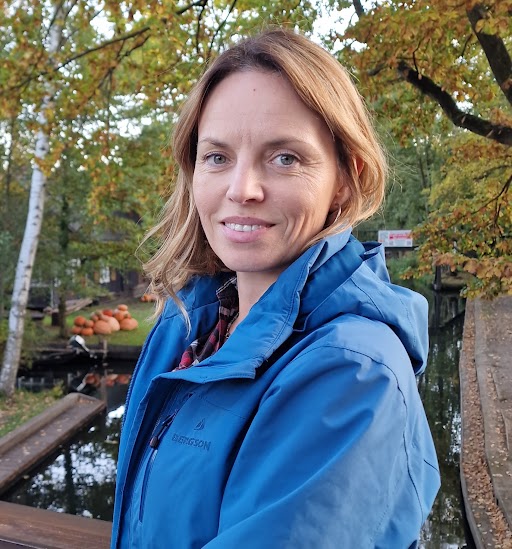
From a young age, Angelina was captivated by faraway lands, spending hours lost in the pages of travel books. When the time came for her to choose a career path, tourism management felt like the right choice.
Nowadays, working as a freelance SEO specialist, she practices slow travel, staying longer in one location to truly connect with people and nature. Seeing baby reindeer, hiking by the midnight sun, and fishing in the fjord—her volunteering with Workaway in Arctic Norway was exactly how she loves to experience new places.
For 10+ years, Angelina has been using her skills and experience to create engaging content for various companies in the travel tech space. Since 2021, she's also been sharing travel insights and discoveries in her blog World-in2-Words.