The first time I heard of the term ‘voluntourism‘, I was completing a public health internship in a small Ecuadorian town near the jungle. I was there with missionaries and healthcare providers from the West who came and went, supplementing the local staff at a small hospital. Like everyone, I had the best of intentions when I arrived.
However, weeks passed and I interacted rarely with the locals. In fact, I lived in a nice duplex behind a compound with a fence and gate that locked every night– a stark contrast to the surrounding poverty and crumbling infrastructure. This was not the experience I was hoping for.

It made me deeply uncomfortable and raised questions I hadn’t confronted yet- was I making a positive impact by volunteering abroad? Was my presence an act of neo-colonialism? Was I hurting the very people I was trying to help?
I’ve volunteered abroad many times since then, and often wrestle with the same questions. I think this is important. It’s wonderful to be altruistic, but we must also do our research and be cautious.
Unfortunately, some for-profit companies can take advantage of both the volunteer and the organization they are supposedly helping. Many act as a middle man, charging a very high fee for the volunteer that may not be shared with organization. In other cases, it’s been reported that orphanages may purposefully keep children who are not really orphans (or who have relatives who would like to care for them) in poor conditions to attract foreigners’ sympathy and their money.
If voluntourism is to benefit those in need, we need to ask the hard questions: What is our intention? What’s the lasting impact our presence will make in the community? What are the political and economic systems in place that keep some countries poor and others wealthy? Would it be better to find a different project or donate our money instead of our time? How do cultural and historical factors play into our experience?
The world is more connected than it has ever been. That opens us up to new opportunities and advantages we’ve never had before.
Teaching music lessons at an
-
Language exchange
-
Cultural exchange
Help achieve equality through education in Kumasi, Ghana
"Education then, beyond all other devices of human origin, is the great equalizer of the conditions of men, the balance-wheel of the social machinery". --- Horace Mann
Urgently Needed: Comics artists to collaborate with us for a children's book ......
, learning how to
,
, or even helping out at orphanages that are genuinely contributing to the wellbeing of their local communities. These are experiences literally at our fingertips.
If we neglect to learn about the people and places around us, we’re likely to remain fearful of our differences instead of celebrating our uniqueness.
I believe voluntourism can be a doorway into a more purposeful and connected way of life.
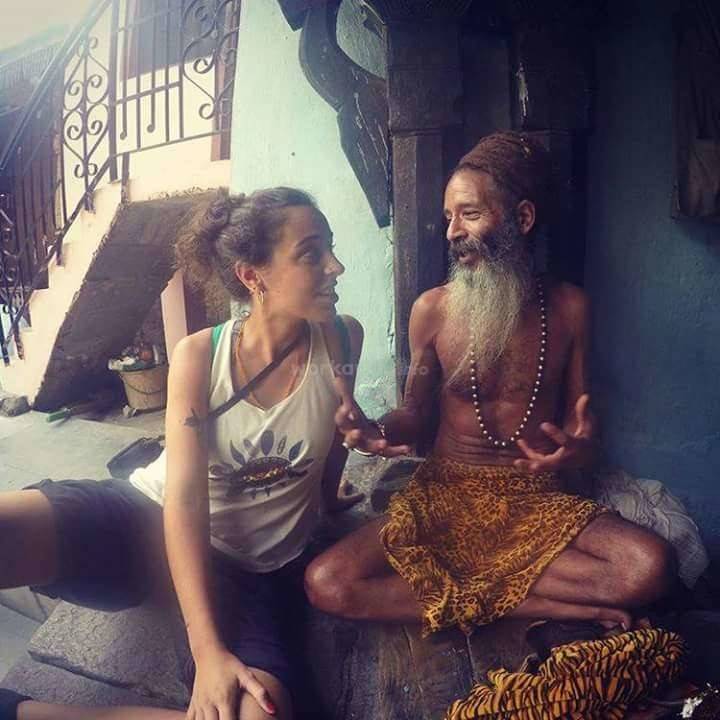 As humans, we’re more likely to care about something we have a personal relationship with. Statistics and numbers become faces and names. Poverty, war, and far-away politics become personal- because we have friends who are affected, because we’ve stepped into their shoes, because we remember what it was like to live their reality. This can lead to deeper compassion, empathy, and perspective. I think this is important not just for our individual growth, but for our planet as a whole.
What I appreciate about Workaway is that it presents a unique form of voluntourism. Local hosts and families open their doors, asking for the specific kind of help they need, rather than volunteers assuming they know best. There is no middle man, and no outrageous fee. Instead of a ‘top-down’ mentality of one person being the helper and the other being helped, the focus is on building relationships and cultural exchange.
From personal experience, it is far more rewarding to participate in this kind of volunteering- with humility, openness, and gratitude for the hospitality being offered with open arms.

 Language exchange
 Cultural exchange