
Profile information
-

Host rating
80 %
-

Last replied
9 Jul 2026
-

Feedback
2
-

Email verified
Badges (1)


Find your perfect host


Min stay requested: at least 1 month
Details
-

Description
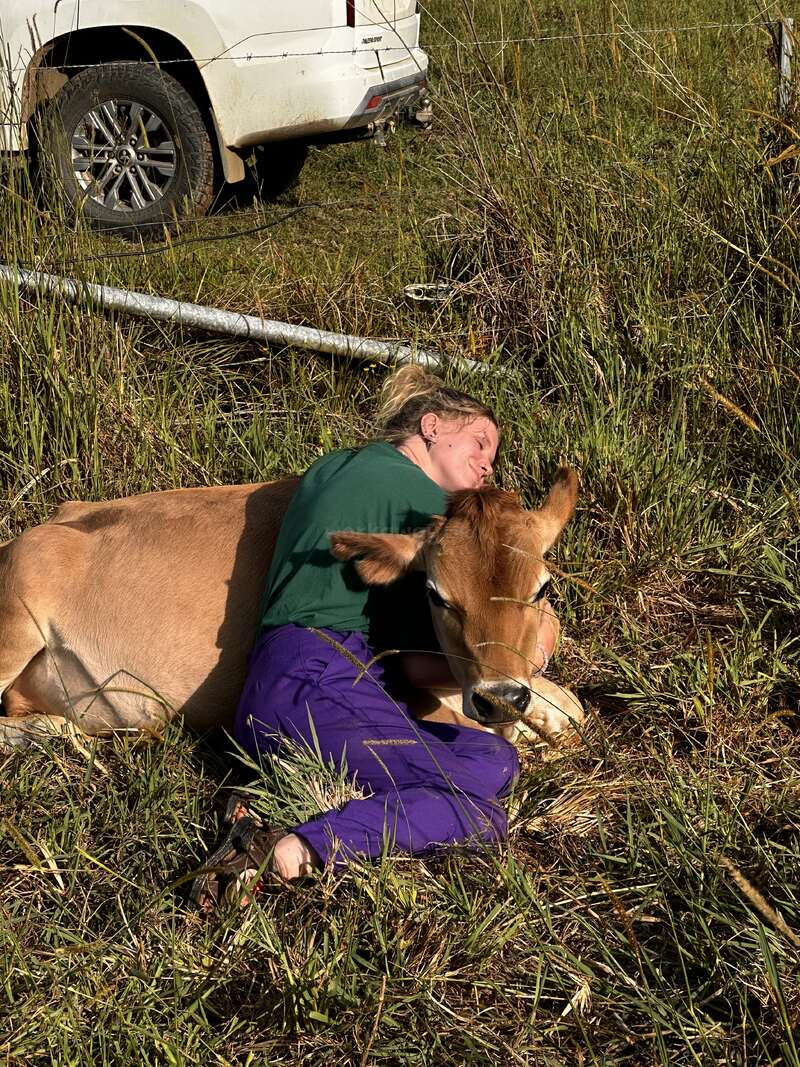
The sanctuary moved to the Mid-North Coast in February 2025. While we’ve been here long enough to settle in, it still very much feels like a work in progress. There’s always something to build, fix, clean, or improve — that’s the reality of running an animal sanctuary.
The heart of what we do is caring for animals who needed somewhere safe to land. Alongside daily animal care, the sanctuary is slowly expanding into tourism and sanctuary visits so we can share our philosophy of kindness and create the funds needed to keep the sanctuary sustainable.
At the moment we care mostly for farm and domestic animals, including:
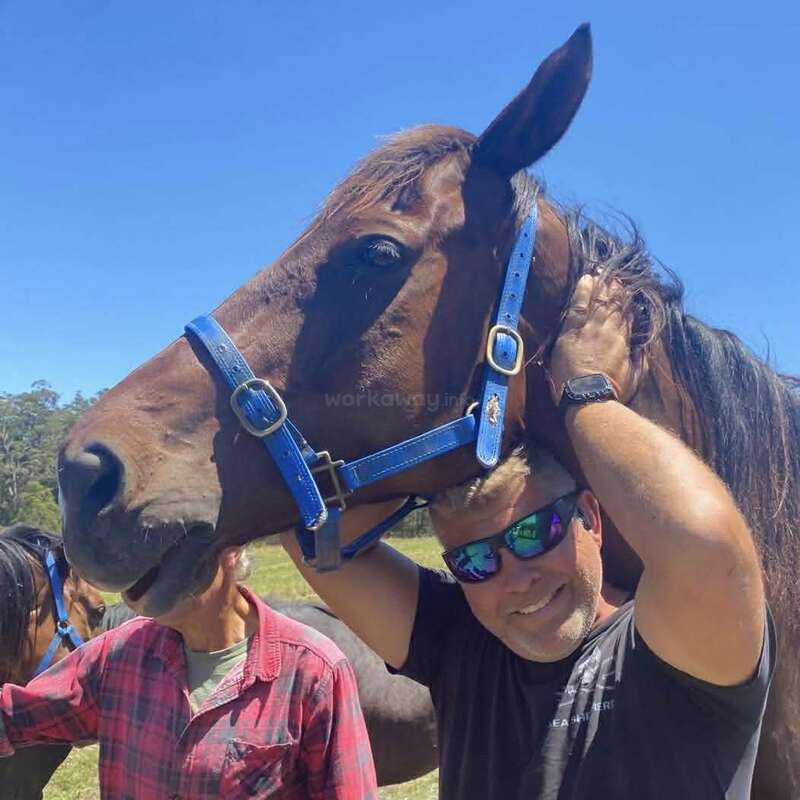
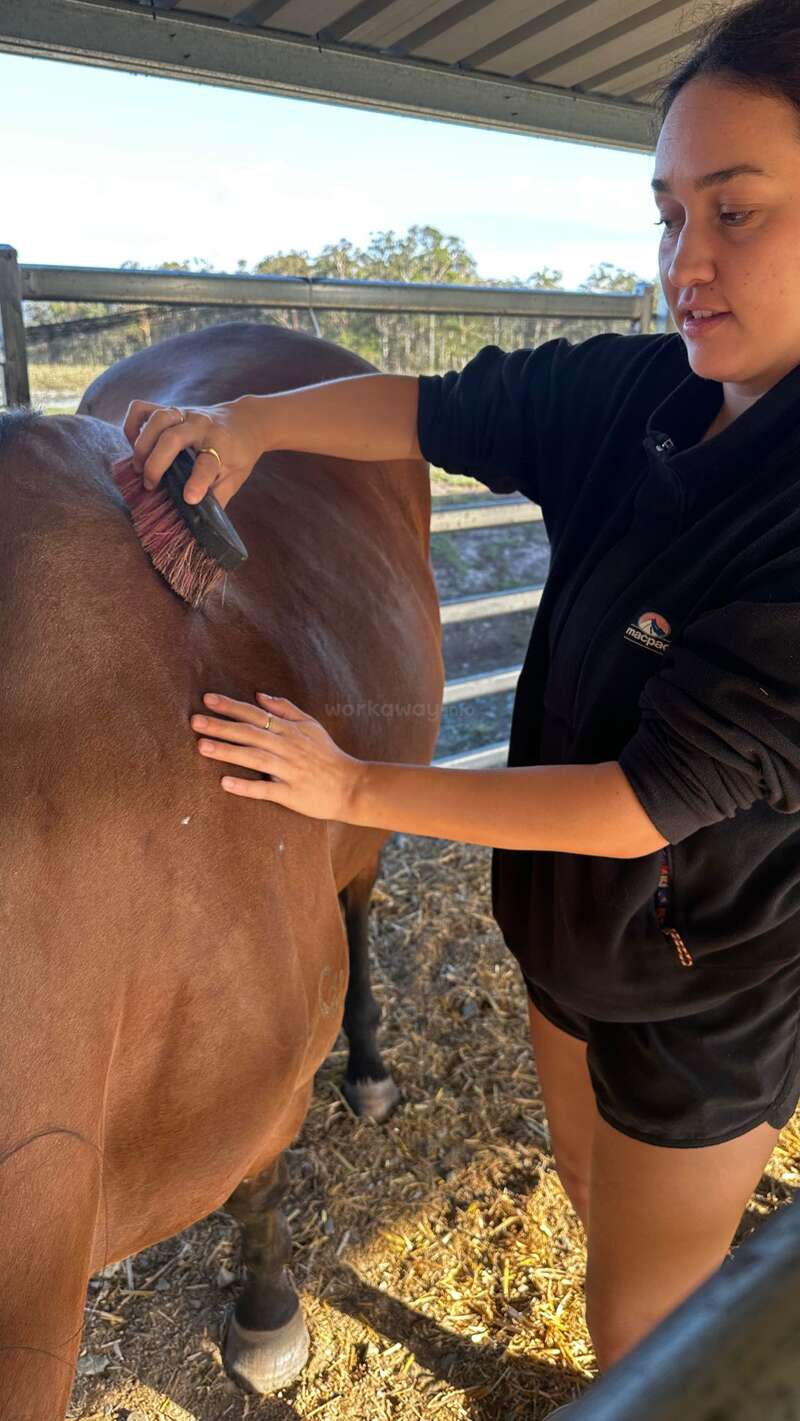
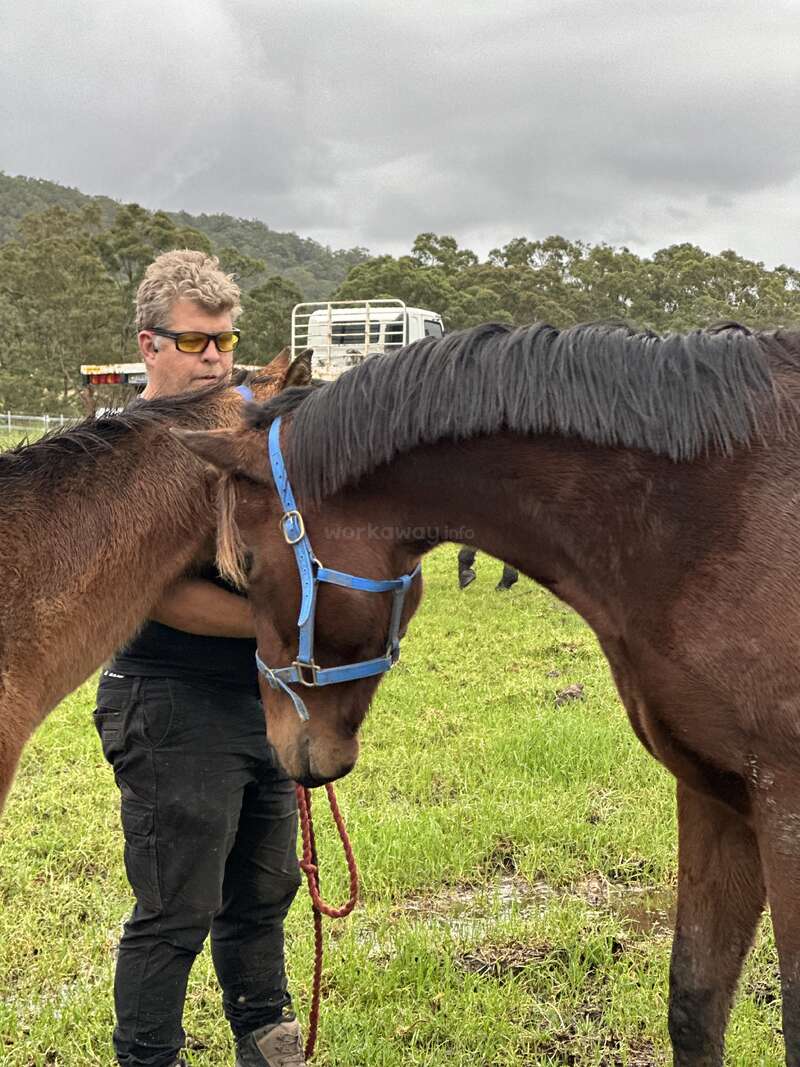
• horses (we don’t ride, but ground training is welcome if you’re experienced)
• sheep
• pigs
• alpacas
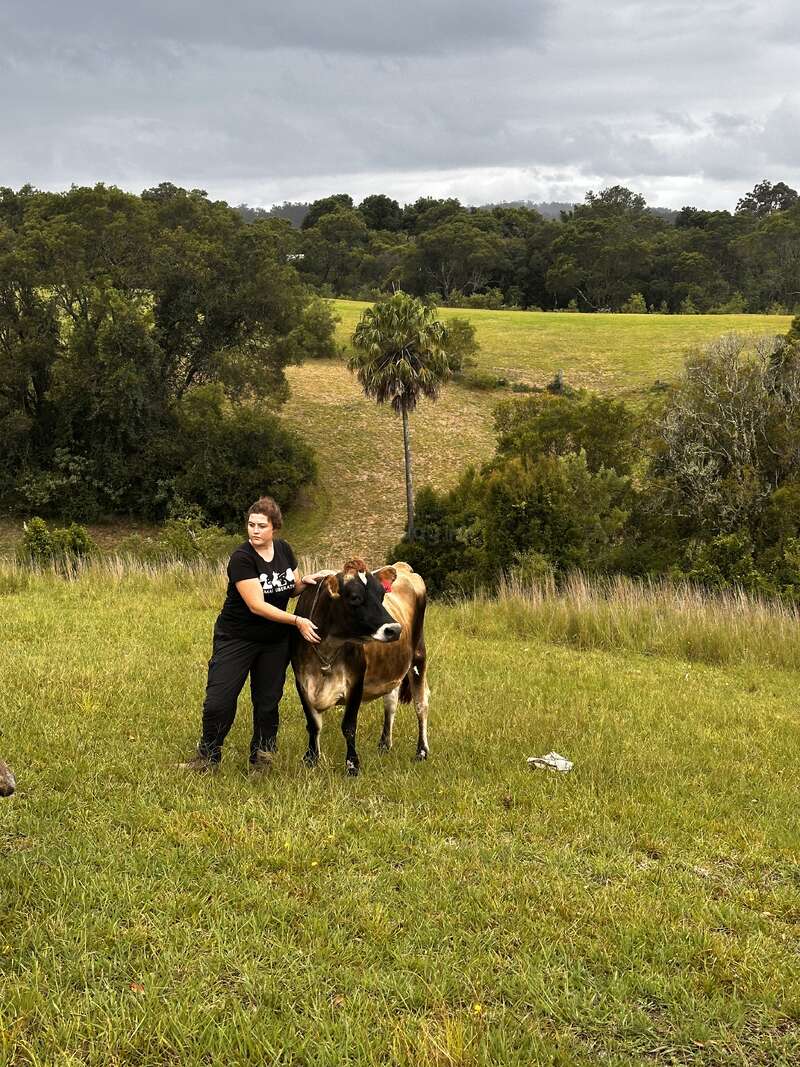
• cows
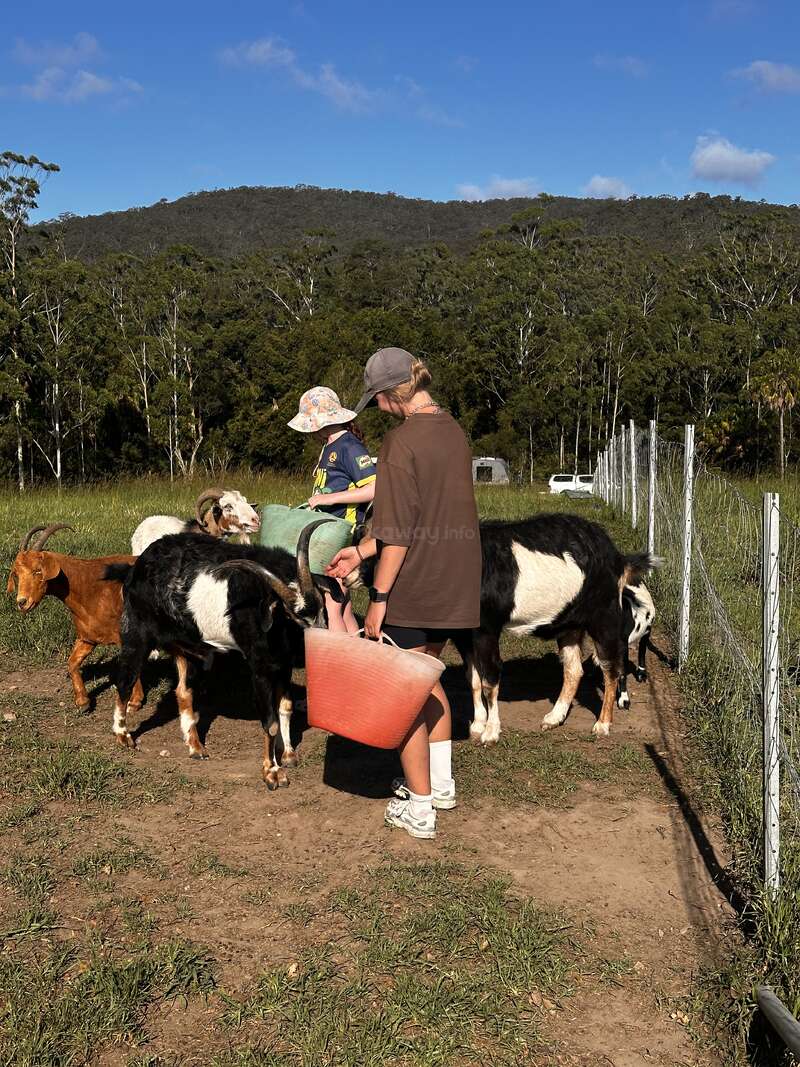
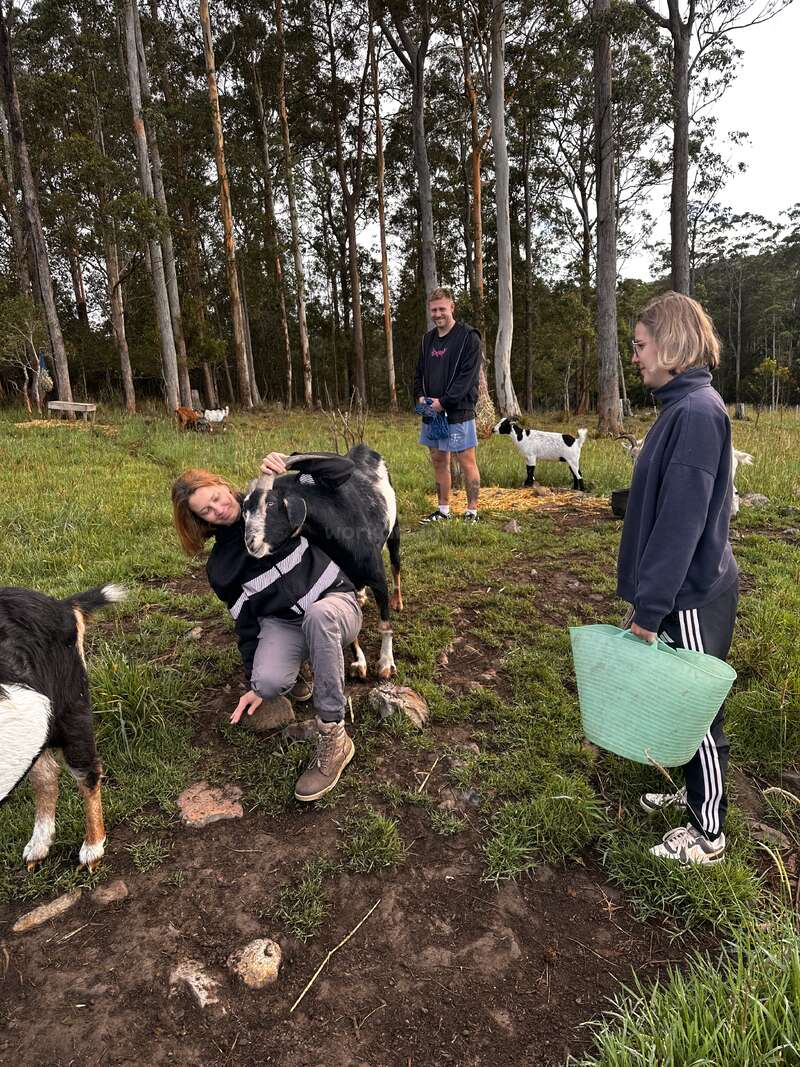
• goats
• chickens
• ducks
• geese
• one dog
• cats
Every animal here has their own story and very clear personality, and part of daily life is learning who needs space, who wants attention, and who thinks they run the place.
Animal feeding happens twice daily, every day. Outside of feeding rounds, the work is varied and depends on what’s needed at the time. This can include hosting guests, cleaning and maintaining shelters, fencing, basic building and repairs, gardening, helping with social media, or simply jumping in where needed. No two weeks are the same.
This is a vegan sanctuary, and we’re only able to host volunteers who are vegan and aligned with animal-focused values. We provide vegan food during your stay (around $100 per week per person), and volunteers prepare their own meals. While we sometimes connect over a chat, volunteers also have their own space to relax and decompress — this isn’t a shared household all of the time.
The sanctuary is located on the Mid-North Coast of NSW, roughly between Port Stephens and Taree. We’re around 40 minutes from surf beaches such as Seal Rocks and Rainbow Beach, and close to the twin towns of Forster and Tuncurry. There’s plenty to see locally, including beaches, national parks, coastal walks, cafés and small country towns. A sanctuary vehicle is available for volunteers to explore the local area.
My name is Clint. I’m the on-site representative of the charity’s committee and live here full-time. I’m 50 and live with chronic pain from previous military service, so I pace myself and focus on what I can do. A big part of my role is supporting the animals and making sure volunteers have a positive, respectful experience while they’re here.
My daughter also lives on site and works as a vet nurse in Forster.
I’ve travelled extensively in the past and value volunteer experiences that are genuine, fair, and grounded in mutual respect. Sanctuary life is rewarding, but it’s real work, and I try to be upfront about what life here is like.
Accommodation is simple but comfortable. Volunteers stay in a converted shed or caravan. It’s basic, but it has what you need and suits sanctuary life.
We usually host at least two volunteers at a time and are looking for people who are:
• reliable and trustworthy
• able to work independently and see what needs doing
• comfortable around animals
• holders of a driver’s licence (manual is a bonus)
If you bring specific skills or interests, there’s often a way to put them to good use for the benefit of the animals and the sanctuary. -

Types of help and learning opportunities
 Charity Work
 Light gardening
 Creative DIY projects
 Animal Care
 Farmstay help
 Creating/ Cooking family meals
 Help around the house
 Hospitality/Tourism
 Light maintenance
 House & pet sitting
-

Interests
 Vegetarian or vegan
 Technology
 Sustainability
 Pets
Pets Charity work
 Animals
 Yoga / Wellness
 Sailing / Boating
 Hiking
 Outdoor activities
 Mountain
 Nature
 Camping
 Beach
Beach -

UN sustainability goals this host is trying to achieve
-

Cultural exchange and learning opportunities
Life at the sanctuary is pretty simple and very hands-on. Hosting volenteers here isn’t just about swapping help for a bed, it’s about having the right people around the animals and sharing day-to-day life on a working sanctuary.
Since moving here, the sanctuary has slowly become part of the local Mid-North Coast community. People are starting to know us as the place that takes animal care seriously and does things properly, even when it’s hard or time-consuming. We’ve been building relationships with locals, carers and supporters, and our reputation is growing through word of mouth rather than promotion. Over the coming year, we’re planning to start running small school visits and youth leadership workshops, using the sanctuary and the animals to teach empathy, responsibility, and kindness in a practical, grounded way.
People who come here usually become part of the wider sanctuary team rather than just “volunteers”. Some days we’ll sit and talk after feeding rounds, other days everyone just does their own thing. Sometimes meals are shared, sometimes they’re not. Volunteers have their own space and plenty of time to unwind, which is important because sanctuary work can be both physical and emotional.
Most of the work revolves around animal care, but there’s always something else that needs doing. That can include cleaning shelters, helping with feeding, fencing, small building jobs, gardening, hosting visitors, or helping out with social media and general upkeep. The work changes depending on the season and what’s going on at the time.
There’s a lot to see and do in the local area as well. We’re on the Mid North Coast of NSW, close to beaches, national parks and small coastal towns. If you like nature, quiet places, swimming, walking or exploring small communities, you’ll probably enjoy it here.
Over time I’ve realised that values really matter in a place like this. This is a vegan sanctuary and we only host volunteers who are vegan and genuinely care about animals. We look after rescued dairy cows, pigs, chickens and other animals who have come from difficult backgrounds, and it’s important that the people caring for them are aligned with that. We provide vegan food during your stay, and volunteers prepare their own meals.
I’ve travelled a lot myself, and I’m always interested in hearing how people live, work and care for animals in other parts of the world. I enjoy learning new ways of doing things, picking up practical skills, and seeing the sanctuary through fresh eyes. In return, I’m happy to share what I’ve learned about animal care, running a sanctuary, living off-grid, and managing a project that’s very much a work in progress.
Most people who do well here are independent, self starting, practical, kind, and happy to help where needed rather than sticking rigidly to one role. If that sounds like you, you’ll probably fit in just fine.
While volenteers here are quickly embedded in the local community, we are always keen to know, understand and celebrate volenteer local traditions and customs. -

Registered charity
This host is a registered charity in their country and is looking for volunteers to help with their project(s).
-

Help
We are looking for animal-loving volunteers who:
• Can help with daily animal care and general sanctuary duties
• Want to make a real impact in the lives of rescued animals
• Are eligible to log hours towards your Working Holiday Visa (WHV) extension
• Social media, photography, videography would be helpful.
Your qualities would be:
- reliable, trustworthy and high degree of integrity;
- Self-starting. (Can see why needs to be done and do it)
- Drivers license and be able to drive a manual would be helpful.
- if you have superpowers, I’m sure we can find an opportunity to utilise them for good of the animals. -

Languages
Languages spoken
English: IntermediateThis host offers a language exchange
This host has indicated that they are interested in sharing their own language or learning a new language.
You can contact them directly for more information. -

Accommodation
We have a converted shed and a caravan for volenteers. It’s basic but it should have everything you need.
-

A little more information
-

Internet access
-

Limited internet access
-
We have pets
-
We are smokers
-
Can host families
-
-

Can host digital nomads
Animal Feeding Rounds occur between 7-8:30 am and 16-17:30 (summer schedule). You work activities will be outside of this time
-

Space for parking camper vans
We have parking space need the shed but also away from guest. Power can become organised.
-

Can possibly accept pets
We would consider a well trained dog that is known to be animal safe.
-

How many Workawayers can stay?
More than two
-

My animals / pets
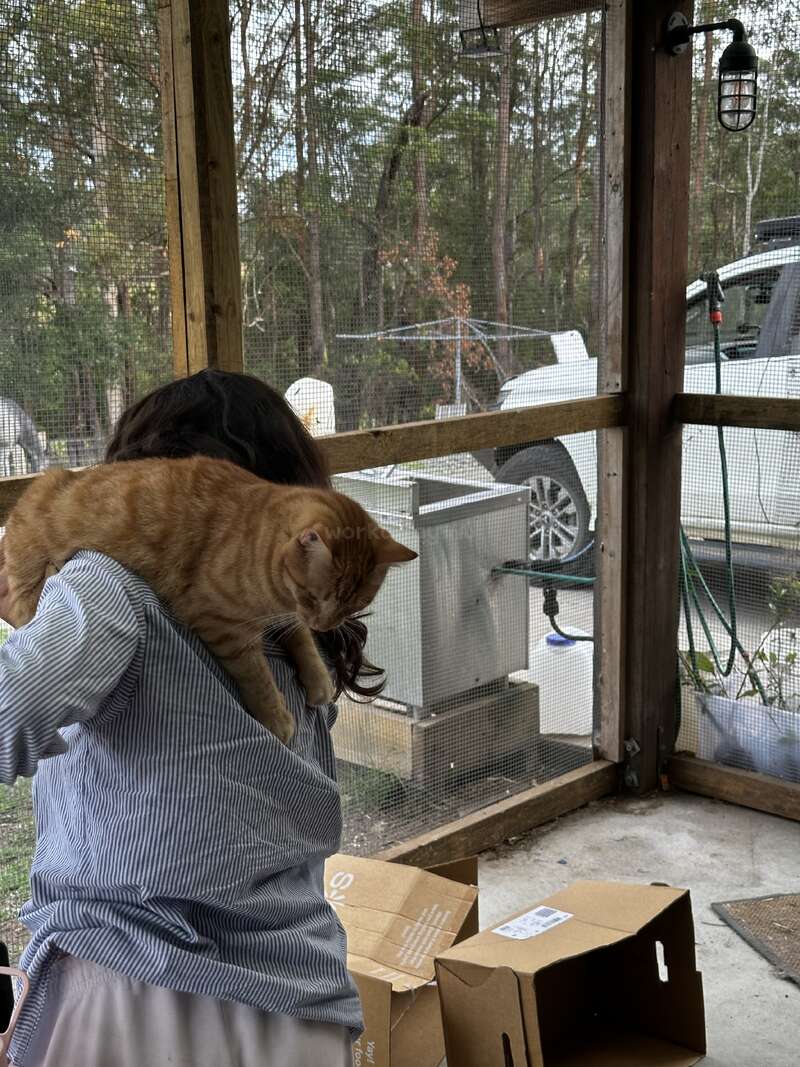
Cookie
Cookie was rescued when she was one day old. She is playfully and naughty. If there is trouble to be had, cookie will be the ring leader
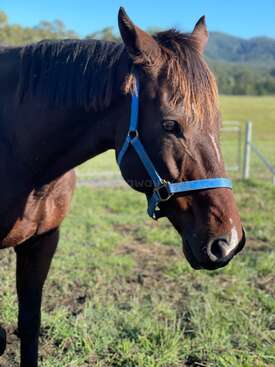
Sid
Sid is the leader of the equine herd. He is strong but a caring sole.
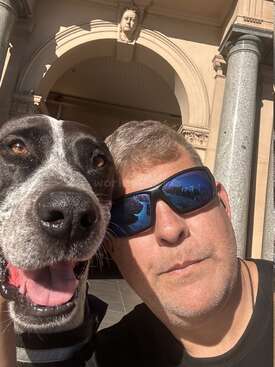
Zanzibar
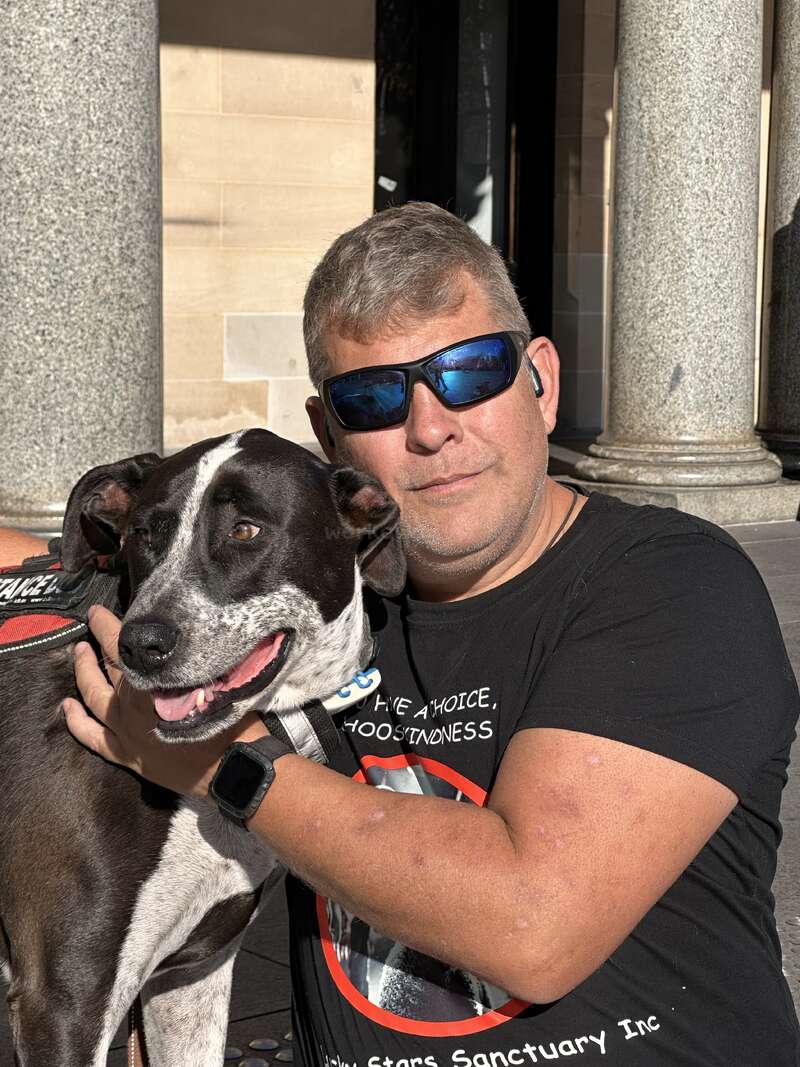
Zanzibar is my dog and pre-dates me joining the sanctuary. He is a Bull-Arab or the Australian Pig Dog but he is a big softy at heart. Give him a bit scratch and he will be your friend for life.

















Chat with Workawayers who've visited this host
Feedback (2)
Between the incredible animals, the fascinating people, and the work, I didn't have a single dull moment!
If you love animals, tranquility, and you're okay with getting your hands dirty sometimes, this WorkAway is for you!
The surrounding area is beautiful, and the beach is … read more
It also expand to what is expected of the volunteers as … read more
Photos

Chat with Workawayers who've visited this host
Feedback
These are extra optional ratings when members leave feedback. The average rating left for each option is displayed.
Accuracy of profile:
(5.0)
Cultural exchange:
(5.0)
Communication:
(5.0)
Between the incredible animals, the fascinating people, and the work, I didn't have a single dull moment!
If you love animals, tranquility, and you're okay with getting your hands dirty sometimes, this WorkAway is for you!
The surrounding area is beautiful, and the beach is … read more
It also expand to what is expected of the volunteers as … read more