
Seja voluntário em Espanha


Faça voluntariado e trabalhe na Espanha — junte-se à nossa comunidade
Fazer trabalho voluntário na Espanha com a Workaway oferece uma combinação única de aventura e tranquilidade, além da oportunidade de contribuir para projetos locais com impacto positivo. Viaje de forma mais econômica, com alojamento e refeições frequentemente incluídas em troca de algumas horas de ajuda por dia. É uma opção prática para viajantes em gap year, nômades digitais, aposentados, estudantes de espanhol, amantes da natureza e dos animais, além de quem viaja por longos períodos ou com orçamento reduzido e deseja vivenciar uma verdadeira imersão cultural, melhorar o espanhol e explorar diferentes regiões do país.
Como a maior comunidade do mundo de voluntariado e intercâmbio cultural, a Workaway conecta voluntários a anfitriões acolhedores em toda a Espanha. Há mais de vinte anos, aproximamos anfitriões espanhóis e viajantes do mundo inteiro. Aqui, compartilhamos tudo o que aprendemos para ajudar você a comparar os principais tipos de programas de voluntariado e regiões da Espanha, entender as opções de acordo com a época do ano, os custos e os requisitos de visto, além de escolher o anfitrião ideal para a sua experiência.
Workaway em Espanha: programas de voluntariado e famílias anfitriãs
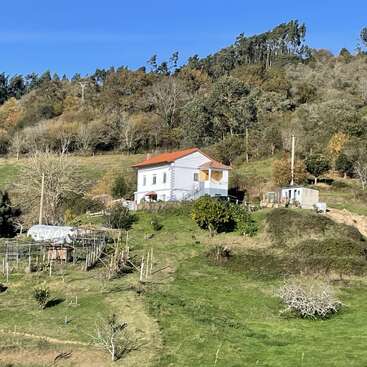


Como encontrar oportunidades de voluntariado e de férias-trabalho em Espanha

Crie um perfil detalhado e nós o verificaremos dentro de 24 horas

Entre em contato com seus anfitriões favoritos, fale sobre sua hospedagem e sobre o que esperam em troca

Descubra novas culturas, amigos, lugares e habilidades.
Por que ser voluntário em Espanha

Aprenda espanhol
O espanhol é o segundo idioma mais falado no mundo, com mais de 460 milhões de falantes nativos. É o idioma oficial de 21 países, incluindo Argentina, Colômbia, Costa Rica, México, Peru, Chile e, como você já deve ter adivinhado… a Espanha!
Fazer voluntariado com a Workaway é uma das melhores maneiras de aprender espanhol, e você pode até fazer um curso de espanhol como parte da sua experiência de voluntariado para melhorar suas habilidades de comunicação e interação.
Falar espanhol costuma abrir portas para oportunidades profissionais, já que é um dos idiomas mais falados do mundo. E imagine a diferença que isso faz nas suas viagens. Em vez de enxergar tudo como um visitante, comece a conversar, crie conexões genuínas e mergulhe de verdade na cultura local.
>
Cultura praiana
Está com vontade de curtir sol, areia e brisa do mar? Seja no Mediterrâneo ou na costa do Atlântico, da Costa de la Luz até Mallorca, a Espanha oferece algumas das praias mais bonitas do mundo. E não podemos esquecer das Ilhas Canárias, com aquele horizonte azul infinito que dá vontade de mergulhar na mesma hora.
Manter esses lugares incríveis preservados exige tempo e dedicação. Por isso, há uma grande procura por voluntários que queiram celebrar a vida junto ao mar por meio de projetos ambientais, acampamentos de surfe, passeios de barco e veleiros, conservação marinha e muito mais.
Não importa se você tem anos de experiência em mergulho ou apenas um interesse genuíno pelo mundo subaquático. Muito provavelmente, você encontrará uma forma de participar de projetos significativos.

Arte por toda parte
A Espanha é o berço de muitos artistas mundialmente famosos. Você provavelmente já ouviu falar das obras geniais de Antoni Gaudí, cujas criações icônicas estão espalhadas por toda Barcelona, incluindo a Sagrada Família, o Parque Güell, a Casa Milà, a Casa Batlló e a Colônia Güell.
Mas a Espanha também é uma enorme fonte de inspiração para artistas em início de carreira. Afinal, Pablo Picasso, Salvador Dalí e Francisco Goya também chamaram esse país incrível de lar. Se você tem um lado criativo, não terá dificuldade em encontrar projetos comunitários, escolas e até hostels que precisam do seu talento artístico para florescer. Esta é a sua chance de deixar uma marca duradoura no vibrante cenário cultural da Espanha.
Mesmo quem tem apenas conhecimentos básicos de inglês pode participar de projetos de voluntariado criativos. Vendo por esse lado, nada impede você de dar asas à sua criatividade!

Saboreie as Tapas Tradicionais
Entre pratos de pimientos de padrón, tortilla de patatas, gambas al ajillo e, quem sabe, algumas croquetas, é fácil ficar na dúvida sobre qual tapa é a melhor. Você já tem a sua favorita? Se ainda não, uma experiência de voluntariado na Espanha provavelmente vai ajudar a resolver esse dilema.
A culinária espanhola é famosa no mundo todo graças a delícias tradicionais como a paella, o gazpacho e, claro, as tapas, tudo acompanhado de uma refrescante sangria.
Com a Workaway, você não experimenta apenas a comida como um morador local, mas também pode aprender a cozinhar como um espanhol. Isso é ainda mais fácil se você escolher uma experiência de hospedagem com uma família local ou em uma fazenda. Ao dividir o dia a dia com uma família anfitriã, você passa a fazer parte da rotina deles e vivencia de perto o verdadeiro estilo de vida espanhol.

Cultura diversificada
A Espanha é um verdadeiro caldeirão de culturas, historicamente influenciado por gregos, romanos, árabes e marroquinos. Você encontrará essas influências na arquitetura, como o anfiteatro romano de Tarragona ou o Palácio de Alhambra, de origem mourisca, em Granada.
O flamenco tem suas raízes nas tradições musicais ciganas, mouriscas e judaicas, reunindo em sua essência a história de toda a Península Ibérica. Até mesmo a comida no seu prato carrega uma história muito mais antiga do que você imagina.
Isso faz da Espanha um destino ideal para o intercâmbio cultural e para participar de programas de voluntariado. Mergulhe em tradições fascinantes, aprenda com pessoas de diferentes origens e vivencie o dia a dia de uma forma única.
Fazer trabalho voluntário na Espanha também pode proporcionar um grande crescimento pessoal, ajudando você a desenvolver novas habilidades, fazer amizades internacionais e encontrar realização ao ajudar outras pessoas.
O que voluntários recentes dizem sobre sua experiência no Workaway em Espanha
Existem 14279 comentários para 500+ Anfitriões e organizações de Espanha.
500+ Anfitriões de Espanha foram classificados no mínimo 4.9/5!
Melhor época para fazer intercâmbio de trabalho na Espanha
| Tabela climática da Espanha | Jan | Fev | Mar | Abr | Mai | Jun | Jul | Ago | Set | Out | Nov | Dez |
|---|---|---|---|---|---|---|---|---|---|---|---|---|
| Temperatura máxima (°C) | 15 | 16 | 18 | 19 | 22 | 26 | 28 | 29 | 26 | 23 | 18 | 16 |
| Temperatura mínima (°C) | 7 | 7 | 9 | 10 | 13 | 17 | 19 | 20 | 18 | 14 | 10 | 8 |
| Dias de sol por mês | 5 | 6 | 6 | 7 | 8 | 9 | 10 | 9 | 8 | 6 | 5 | 5 |
| Dias de chuva por mês | 6 | 6 | 5 | 6 | 6 | 4 | 3 | 4 | 5 | 7 | 6 | 7 |
| Temperatura da água (°C) | 15 | 15 | 15 | 15 | 17 | 20 | 22 | 24 | 23 | 21 | 18 | 17 |
A tabela apresenta valores médios com base em dados climáticos de Santander, Madri, Barcelona, Mallorca e Gran Canaria.
Spring (March-May): É uma ótima época para fazer voluntariado na maior parte da Espanha. O clima é agradável e ameno, com temperaturas geralmente entre 15°C a 20°C no norte (como na Galícia e no País Basco) e chegando a cerca de 20°C a 25°C no sul (como na Andaluzia). As condições são ideais para atividades ao ar livre, como ajudar no desenvolvimento de projetos de permacultura ou no plantio de árvores. A primavera também é uma excelente estação para participar de projetos urbanos, por exemplo, em Barcelona ou Valência.
Verão (jun.-ago.): Os meses de verão costumam ser muito mais quentes, especialmente no interior e no sul da Espanha. Em lugares como Madri, Andaluzia e Ilhas Baleares, as temperaturas podem ultrapassar os 35°C, o que torna as tarefas físicas mais desafiadoras. Já ao longo da costa norte, o clima é quente, mas bem mais ameno, com temperaturas geralmente entre 25°C a 30°C. Essas regiões costeiras do norte, assim como as Ilhas Canárias, são excelentes para projetos de ecologia e jardinagem. Como o verão também é a alta temporada do turismo, ajudar em hostels em cidades como Barcelona pode ser uma experiência intensa, mas muito divertida.
Outono (set.-nov.): As temperaturas voltam a cair, tornando essa uma das melhores épocas para fazer voluntariado em toda a Espanha. O clima fica semelhante ao da primavera, embora setembro ainda seja bastante quente, com temperaturas acima de 25°C, especialmente no sul do país. Essa estação é ideal para trabalhos em fazendas, principalmente durante o período de colheita em regiões como Valência e Andaluzia. Também é uma ótima época para ensinar ou participar de projetos comunitários, já que as escolas estão em funcionamento e o clima continua agradável para atividades ao ar livre.
Inverno (dez.-fev.): O clima varia bastante dependendo da região da Espanha. No sul do país e nas Ilhas Baleares, os invernos são amenos, com temperatura média diária em torno de 15°C. Já nas Ilhas Canárias, você pode esperar uns agradáveis 20°C, o que permite participar de projetos de conservação marinha e outras atividades ao ar livre durante todo o ano. No norte e nas regiões do interior, como Madri, Galícia e os Pireneus, faz mais frio, com temperaturas geralmente entre 5°C a 10°C, e pode até nevar nas áreas montanhosas. O inverno é uma ótima época para participar de projetos realizados em ambientes internos, como iniciativas de bem-estar animal ou programas sociais.
Impressões do Workaway em Espanha


Onde fazer trabalho voluntário em Espanha
- Andalusia (500+ )
- Aragon (61 )
- Asturias (95 )
- Basque Country (35 )
- Canary Islands (179 )
-
Cantabria
(41 )
Santander
- Castile and León (46 )
- Castilla la Mancha (21 )
- Catalonia (384 )
-
Extremadura
(30 )
Badajoz, Merida
- Formentera (4 )
-
Galicia
(131 )
Vigo, La Coruna, Ourense, Santiago de Compostela
- Ibiza (18 )
-
La Rioja
(8 )
Logrono
- Madrid (67 )
- Mallorca (77 )
- Menorca (10 )
- Murcia (46 )
- Navarre (18 )
- Valencian Community (240 )
As principais regiões da Espanha na Workaway

Catalunha
A Catalunha tem uma atmosfera vibrante e diversificada, que combina o ritmo cosmopolita de Barcelona com a tranquilidade de suas paisagens naturais. Visite a Sagrada Família, o Parque Güell e o Bairro Gótico em Barcelona, e termine o dia com uma taça de vermute bem gelado em La Rambla.
Longe da agitação da metrópole, a serra de Montserrat oferece excelentes trilhas para caminhada, enquanto a charmosa cidade de Girona é perfeita para um passeio tranquilo. Reserve também um tempo para conhecer festivais tradicionais, como La Mercè, em Barcelona, ou La Patum de Berga, e para aproveitar dias de descanso nas praias da Costa Brava.
Nos arredores de Barcelona e em outras partes da região, os voluntários costumam participar de fazendas sustentáveis, retiros artísticos e projetos de restauração no campo. Um dia típico pode começar cuidando de uma horta com vista para as montanhas e terminar em uma enseada escondida no litoral. É uma das melhores maneiras de conhecer lugares da região que nem sempre aparecem nos roteiros turísticos.

Andaluzia
Há uma certa poesia na Andaluzia. Não é à toa que Cervantes escolheu essa região como cenário para algumas passagens de Dom Quixote. Sua viagem por essa parte da Espanha pode ser igualmente inspiradora.
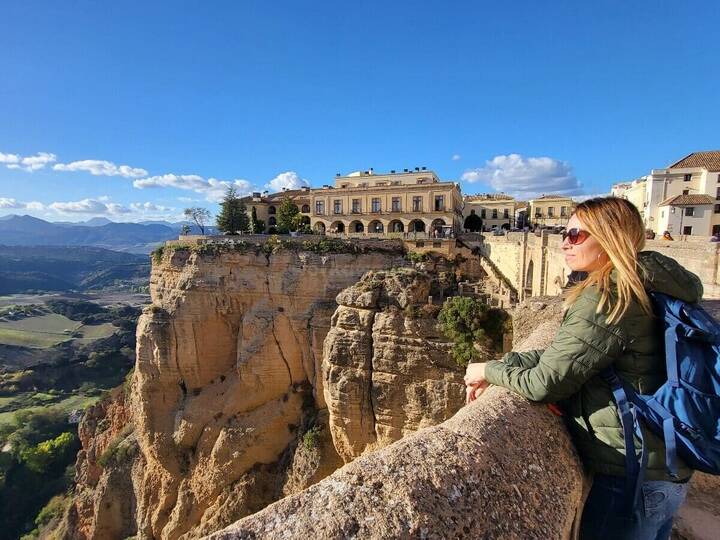
Percorra o Caminito del Rey, com vistas impressionantes para o desfiladeiro, e explore as trilhas da Serra Nevada, onde os picos costumam ficar cobertos de neve. Depois, descubra as camadas de história e as diversas influências culturais presentes na Alhambra, em Granada, na Mesquita-Catedral de Córdoba ou no Teatro Romano de Málaga.
Agora acrescente a isso os icônicos vilarejos de casas brancas, longos dias de praia na Costa del Sol e anfitriões acolhedores que recebem voluntários em casas de família, propriedades rurais e pequenas pousadas. Fica fácil entender por que a Andaluzia é um dos destinos mais procurados para fazer trabalho voluntário.
Muitos Workawayers chegam pelo sol e acabam ficando pelo estilo de vida tranquilo do sul da Espanha — ajudando em jardins, cozinhando refeições compartilhadas, vivenciando um estilo de vida fora das redes, cuidando de animais ou participando de projetos criativos em comunidades escondidas entre as montanhas.

Galícia
A Galícia pode ser descrita como o lado mais tranquilo e profundamente conectado à natureza da Espanha, com paisagens diversas moldadas por colinas cobertas de vegetação, banhadas pela chuva, e pelo ritmo constante do Atlântico. Imagine florestas envoltas em névoa, vilarejos de pedra, um litoral selvagem e um forte senso de tradição. A região também é o destino final de muitos peregrinos que percorrem o Caminho de Santiago, o que lhe confere um significado espiritual especial.
Percorra trilhas costeiras escarpadas ou caminhe pelas florestas exuberantes da trilha de Fragas do Eume, saboreie uma refeição de frutos do mar frescos com os moradores locais, experimente uma taça de vinho Albariño e visite Santiago de Compostela, com sua imponente catedral ligada a São Tiago e à tradição da peregrinação.
Muitos anfitriões na Galícia se dedicam à permacultura, projetos ecológicos, cuidados com animais e à restauração de casas antigas no campo. Você também pode simplesmente fazer pet sitting ou cuidar de um jardim em um ambiente tranquilo e cercado pela natureza. É uma experiência que costuma transmitir uma sensação de paz e conexão com o essencial.

Comunidade Valenciana
Essa região da Espanha se tornou uma das favoritas entre os voluntários que buscam equilíbrio — praias do Mediterrâneo, cidades com custo de vida acessível e uma atmosfera acolhedora que faz qualquer pessoa se sentir em casa por um tempo.
Explore a arquitetura futurista da Cidade das Artes e das Ciências e a histórica Plaza de la Virgen, na capital da região.
A gastronomia é, naturalmente, uma parte importante da experiência por aqui, especialmente porque esta região é a verdadeira terra natal da paella. Faça uma visita ao Mercado Central para provar alguns dos sabores típicos da região.
Se a cidade começar a parecer movimentada demais, siga para o Parque Natural da Serra Calderona. Faça um passeio de bicicleta pela Costa Blanca ou passe o dia na praia para aproveitar um ritmo mais tranquilo.
Os anfitriões em Valência costumam procurar ajuda com hortas orgânicas, cuidados com animais de estimação, atividades do dia a dia em família e pequenos projetos de hospitalidade. É o tipo de lugar onde as manhãs podem começar com um café sob laranjeiras e terminar com jantares compartilhados que se estendem até tarde da noite.

Ilhas Canárias
Cada uma das Ilhas Canárias parece um mundo completamente diferente, e temos oportunidades de voluntariado em quase todas elas! Você prefere ficar perto dos animados pontos de encontro de nômades digitais em Las Palmas ou dos famosos picos de surfe em Corralejo? Ou talvez prefira uma propriedade rural administrada por uma família, cercada por plantações de banana, em La Gomera.
O arquipélago oferece muito mais do que um simples destino de praia. Há inúmeras opções para quem gosta de se manter ativo: trilhas, incluindo percursos famosos como o Roque Nublo e o Desfiladeiro de Masca, parapente, exploração de cavernas vulcânicas ou observação das estrelas. Já o lado mais tranquilo das Canárias se revela em passeios por cidades históricas e visitas a mercados gastronômicos, vinícolas e festivais locais.
Nas Ilhas Canárias, o voluntariado está intimamente ligado à vida ao ar livre durante praticamente o ano todo. Os Workawayers costumam ajudar em eco-lodges, hostels, propriedades off-grid e hortas comunitárias, cercados por paisagens vulcânicas e vistas para o oceano. É difícil não desacelerar nesse tranquilo paraíso subtropical.
Oportunidade de voluntariado de última hora
Aqui encontrará 42 oportunidades de última hora para voluntariar em Espanha com anfitriões que indicaram que precisam de ajuda imediata.


Cadastrar como um Anfitrião
Cadastrar-se como um anfitrião no workaway.info é totalmente grátis.
Workaway.info foi estabelecido para promover e incentivar a troca e o aprendizado. Anfitriões e Workawayers devem estar interessados em fazer um intercâmbio cultural e compartilhar experiências. Eles devem conseguir disponibilizar um ambiente acolhedor para os visitantes, assim como oferecer acomodação e alimentação.
Cadastre-se para ser anfitriãoTipos de oportunidades de voluntariado e férias-trabalho disponíveis em Espanha

Família (500+)

Anfitrião Au Pair (278)

Indivíduo (183)

Fazenda (135)


Projeto sustentável (57)

Comunidade (52)

Outros (41)

Ioga (35)

ONG (30)

Proteção animal (28)

Escola (3)

Surfe (3)

Embarcação (2)


Perguntas frequentes: Tudo o que você precisa saber sobre o voluntariado em Espanha
Claro! O trabalho em troca de hospedagem na Espanha realmente acolhe praticamente qualquer pessoa. Seja você um mochileiro sozinho procurando um companheiro de viagem, alguém que acabou de se aposentar, partindo para um “ano sabático” na idade adulta ou em busca de uma aventura breve ou mais profunda e de longo prazo, provavelmente há um lugar para você. Além disso, é uma excelente opção para quem prefere um clima mais quente e ensolarado, tornando sua experiência de voluntariado ainda mais agradável.
O voluntariado na Espanha é recomendado principalmente para:
- pessoas com pelo menos 18 anos
- estudantes em ano sabático
- pessoas em pausa na carreira e aposentados
- nômades digitais
- viajantes com orçamento limitado e de longa duração
- amantes da natureza e dos animais
- pessoas que estão aprendendo espanhol
- entusiastas de ioga, surfe e atividades ao ar livre
- viajantes com consciência ecológica
O programa de intercâmbio de trabalho com a Workaway geralmente significa que seus custos de hospedagem são cobertos, e as refeições costumam estar incluídas. Todo esse esquema reduz seus gastos gerais, permitindo que você destine seu dinheiro para o seguinte:
- Voos para a Espanha—para voos dentro da Europa, se você optar por companhias aéreas de baixo custo, deve conseguir comprar a passagem por menos de US$ 300, com a bagagem despachada incluída. O preço real pode, é claro, ser menor ou maior, dependendo do seu ponto de partida, do destino e da época do ano. O mesmo se aplica aos voos internacionais, mas se você estiver viajando para a Espanha a partir dos EUA ou da Austrália, é melhor se preparar para gastos maiores, a partir de US$ 500 a US$ 700 para uma viagem de ida e volta.
- Seguro de viagem e médico — Se você quer tranquilidade durante sua aventura de voluntariado — e quem não quer? —, o seguro é essencial. Ele cobre despesas médicas inesperadas, cancelamentos de viagem ou outras situações que você simplesmente não pode prever. Para a maioria das viagens de voluntariado, você provavelmente gastará algo entre US$ 50 e US$ 150 por esse tipo de cobertura. Aqui você encontra algumas dicas e uma comparação de empresas de seguro de viagem.
- Despesas pessoais diárias — essas também incluem transporte e atividades de lazer. Como a Espanha é, em geral, mais acessível do que muitos países da Europa Ocidental, como a França e o Reino Unido, os voluntários costumam gastar entre US$ 20 e US$ 40 por dia com esses extras. Veja a pergunta: É caro visitar a Espanha? para ter uma visão geral das despesas típicas dos participantes do Workaway.
Lembre-se de que as taxas do programa cobradas pelas agências podem variar de US$ 790 a mais de US$ 1.300 por semana, portanto, usar o modelo de intercâmbio direto do Workaway (confira as atuais taxas de inscrição) oferece grande economia e flexibilidade.
O visto necessário depende da sua nacionalidade, do passaporte que você possui, da duração da sua estadia e das atividades planejadas na Espanha.
- Cidadãos da UE/EFTA geralmente podem viajar, morar e realizar trabalho voluntário na Espanha sem visto, de acordo com as regras de livre circulação.
- Cidadãos de países fora da UE devem verificar os requisitos de visto aplicáveis à sua nacionalidade e situação antes de planejar a viagem. O guia oficial de imigração da Espanha pode ajudá-lo a determinar qual visto ou autorização você pode precisar.
Assim como em qualquer viagem internacional, é sua responsabilidade garantir que você cumpra os requisitos de imigração do seu destino antes de viajar. Recomendamos verificar os requisitos mais recentes de visto e entrada com bastante antecedência em relação à sua viagem por meio do site oficial Portal de Imigração da UE para a Espanha.
Apresentamos avaliações detalhadas de voluntários anteriores em cada perfil de anfitrião. Com centenas de milhares de avaliações em todo o mundo e milhares de anfitriões na Espanha, os comentários geralmente incluem avaliações sinceras sobre a qualidade do alojamento, as expectativas em relação ao trabalho, a comunicação com o anfitrião e a experiência geral.
Além disso, como membro cadastrado, você pode entrar em contato com outros voluntários para perguntar sobre a experiência deles com um anfitrião específico.
Para ter outra perspectiva, fique à vontade para conferir nossas avaliações no Trustpilot; os clientes nos deram uma nota média de 4,6 em 5.
Quem fala inglês pode, na verdade, encontrar muitas oportunidades diferentes de voluntariado por meio do Workaway na Espanha, mesmo que não fale espanhol fluentemente. Muitos dos anfitriões estão procurando especificamente por viajantes internacionais, e estão acostumados a se comunicar em inglês.
Para quem gosta de atividades ao ar livre, muitos projetos envolvem tarefas práticas como agricultura, jardinagem ou cuidar de animais em propriedades rurais. Há muitas vagas na área de hospitalidade disponíveis, especialmente ao longo do litoral e nas ilhas. Pessoas que falam inglês costumam realizar férias-trabalho remuneradas em albergues, hostels ou acampamentos de surfe, auxiliando nos serviços aos hóspedes, na preparação dos quartos ou nas atividades diárias. Se você gosta de trabalhar com pessoas, famílias espanholas frequentemente procuram ajuda com cuidados infantis, prática de idiomas e intercâmbio cultural.
Pessoas que falam inglês com confiança são particularmente valorizadas por ajudarem as crianças a aprender inglês coloquial de maneira informal. Projetos criativos e comunitários também são comuns. Os anfitriões podem precisar de ajuda com atividades como fotografia, redes sociais, arte ou tarefas de “faça você mesmo”. Outros simplesmente procuram pessoas simpáticas para compartilhar o dia a dia e as refeições.
Você é um estudante e quer economizar nas despesas de viagem? Por meio da nossa plataforma, muitas vezes é possível conseguir uma hospedagem gratuita, que geralmente é a parte mais cara de uma viagem, bastando apenas dar uma mãozinha por algumas horas por dia.
Se você escolher locais rurais, como o interior da Andaluzia, a Galícia ou algumas charmosas cidadezinhas na Comunidade de Valência, seu dinheiro renderá muito mais do que em cidades caras como Barcelona ou Madri. Além disso, muitos anfitriões incluem até mesmo as refeições, então você não precisará se preocupar em comprar comida.
E se você não estiver procurando uma viagem longa? Você também pode escolher estadias mais curtas que ainda oferecem uma experiência fantástica sem gastar muito do seu dinheiro.
E se você estiver viajando sozinho, o Workaway é uma ótima maneira de conhecer outros viajantes com quem você se dê bem, tornando sua aventura ainda mais divertida e social.
- Festivais locais: Participe de festivais locais animados, como a Semana Santa em Sevilha, a Feria de Abril ou a batalha de tomates La Tomatina em Buñol. É uma maneira divertida de conhecer a cultura, ver as tradições de perto e simplesmente se misturar com os moradores locais.
- Caminhadas e atividades ao ar livre: Explore trilhas de caminhada ao longo da Costa Brava, faça passeios pela natureza em parques nacionais como Ordesa y Monte Perdido ou Picos de Europa, ou faça trilhas nas deslumbrantes montanhas dos Pirineus, no norte da Espanha. Participe de aventuras ao ar livre, como passeios a cavalo na Andaluzia, mountain bike, caiaque ou escalada em várias regiões da Espanha.
- Passeios de arte e arquitetura: Visite maravilhas arquitetônicas como a Sagrada Família e o Parque Güell, de Gaudí, em Barcelona, o palácio da Alhambra, em Granada, ou museus de arte de nível mundial, como o Prado, em Madri, e o Guggenheim, em Bilbau. A Espanha é o destino perfeito para almas criativas e artísticas que apreciam longas conversas sobre arte e diferentes formas de expressão enquanto saboreiam uma taça de vinho tinto.
- Tapas e experiências culinárias: Experimente tapas tradicionais em cidades como Málaga ou San Sebastián, conhecidas por seus animados bares de tapas e pintxos, ou saboreie uma paella em Valência. Participe de aulas de culinária e aprenda a preparar pratos espanhóis autênticos para que você possa recriar essas deliciosas lembranças quando voltar para casa.
- Esportes aquáticos e praia: Aproveite os quase 5.000 milhas do litoral espanhol! Aperfeiçoe suas habilidades no surfe ou experimente mergulho com snorkel ou cilindro. Se você preferir relaxar na praia e aproveitar o sol, também não faltam opções. Entre as margens do Atlântico e do Mediterrâneo, além das Ilhas Canárias, você com certeza encontrará o lugar perfeito para um dia na praia.
- Atividades culturais: Desfrute de uma degustação de vinhos em um dos vinhedos da Rioja ou da Ribera del Duero, participe de aulas de dança flamenca em Sevilha ou de aulas de salsa. Explore mercados locais movimentados, como o Mercado de San Miguel, em Madri, ou La Boqueria, em Barcelona, ou percorra trechos da histórica rota de peregrinação do Caminho de Santiago — uma jornada que oferece uma experiência espiritual e cultural única.
Para mais inspiração, leia nosso artigo sobre os melhores lugares para visitar na Espanha para viajantes e voluntários.
Se você pretende fazer trabalho voluntário na Espanha, é realmente uma boa ideia contratar um seguro de saúde para toda a sua viagem. Se você for da UE, geralmente pode utilizar o sistema público de saúde da Espanha, desde que tenha um Cartão Europeu de Seguro de Saúde (CESSS). Mas, se você não for da UE, geralmente precisará de um bom seguro de saúde privado antes mesmo de chegar lá.
Confira nossas dicas e a comparação entre seguradoras.
A Espanha tem um bom sistema de saúde, mas, sem seguro, as despesas médicas podem ficar caras rapidamente, especialmente se for uma emergência ou se você precisar consultar um especialista. É recomendado verificar exatamente o que sua apólice de seguro cobre antes de viajar, como acidentes, internações hospitalares e até mesmo o transporte de volta para casa caso algo grave aconteça.
O espanhol é a língua oficial, mas também existem línguas regionais como o catalão, o basco e o galego.
Se você estiver fazendo voluntariado em comunidades ou áreas rurais, saber espanhol tornará sua experiência muito mais tranquila, ajudando você a se envolver mais na vida cotidiana e nas comunidades locais, desempenhar melhor suas funções e vivenciar uma nova cultura.
No entanto, o inglês costuma ser suficiente, especialmente para programas de trabalho e férias em locais como albergues internacionais, conservação marinha ou ensino de inglês, onde as pessoas geralmente preferem falantes nativos.
A Espanha geralmente fica em um ponto intermediário no que diz respeito aos custos de viagem na Europa Ocidental — mais acessível do que o Reino Unido, a França ou a Suíça, mas com uma significativa variação regional. As principais cidades, como Madri ou Barcelona, bem como as Ilhas Baleares, especialmente no verão, tendem a ser as mais caras. Por outro lado, se você for ao sul da Espanha ou explorar as regiões rurais e do interior do país, seu dinheiro renderá muito mais.
Para os voluntários do Workaway, os acordos de intercâmbio transformam completamente o perfil de custos da Espanha. Com hospedagem e alimentação já garantidas, você precisa de dinheiro principalmente para despesas pessoais diárias, transporte, atividades e passeios turísticos.
Então, quanto isso custaria de fato se você quisesse tomar uma cerveja ou um café em um bar, pegar um trem para outra cidade ou reservar uma atividade típica? Dê uma olhada na visão geral das despesas comuns dos viajantes em cinco cidades e ilhas que representam diferentes regiões da Espanha.
|
Cidade |
Total |
Cappuccino (Tamanho normal) |
Cerveja nacional (0,5 litro) |
Água engarrafada (1,5 litro) |
Passagem de ida (Transporte urbano) |
Passagem de ida e volta (Transporte intermunicipal) |
Atividade típica |
| Barcelona | $56,35 | $3,15 | $4,00 | $0,90 | $3,30 |
US$ 20 (trem de Barcelona a Girona, 68 mi) |
US$ 25 (ingresso para o Parque Güell) |
| Madri | $54,90 | $3,20 | $4,00 | $1,00 | $1,70 |
US$ 28 (trem de Madri a Toledo, 46 mi) |
US$ 17 (ingresso para o Museu do Prado) |
| Maiorca | $66,70 | $3,20 | $4,50 | $0,70 | $2,30 |
US$ 12 (Ônibus de Palma de Maiorca para Alcúdia, 37 mi) |
US$ 44 (Passeio de barco com mergulho com snorkel) |
| Gran Canaria | $64,25 | $2,60 | $3,15 | $0,90 | $1,60 |
US$ 14 (Ônibus de Las Palmas a Maspalomas, 34 mi) |
US$ 42 (Cruzeiro para observação de golfinhos) |
| Málaga | $78,40 | $2,80 | $3,40 | $0,70 | $1,50 |
US$ 45 (trem de Málaga a Granada, 80 mi) |
US$ 25 (ingresso para a Alhambra) |
Os custos são estimados com base em dados do Numbeo, Renfe, Turespaña e das operadoras de transporte locais.
Digamos que você queira visitar o Parque Güell, em Barcelona, e tomar um café antes de pegar o trem para Girona. Depois de passear pelas ruas de pedra do centro histórico, você toma uma cerveja em um bar. Manter-se hidratado é importante no clima quente da Espanha, por isso, dar uma passada no supermercado para comprar uma garrafa de água é sempre uma boa ideia. Se você levar seu próprio almoço, em um dia como esse não deve gastar mais do que US$ 56.
Esses valores variam dependendo das distâncias percorridas e das atividades escolhidas, e normalmente ficam na faixa de US$ 55 a US$ 80 . Adicionar uma refeição em um restaurante econômico aumentaria essa estimativa em US$ 15 a US$ 20.
Sim, a Espanha é geralmente considerada um país seguro para voluntários, de acordo com o Turespaña, o site oficial de turismo da Espanha. O país apresenta uma baixa taxa de criminalidade, e a maioria dos locais de voluntariado, especialmente no interior, é tranquila e segura.
O principal problema que os viajantes podem enfrentar são pequenos furtos emáreas turísticas movimentadas. Cidades como Barcelona e Madri são conhecidas pelos batedores de bolso, especialmente perto do transporte público, dos principais pontos turísticos e em ruas lotadas. Geralmente não é nada grave, mas ainda assim é bom tomar cuidado com seu celular, carteira e bolsas quando estiver fora.
A maioria dos voluntários tem uma experiência tranquila na Espanha e se sente à vontade para viajar, morar e trabalhar lá.
O Workaway é um site de classificados para intercâmbio cultural, que conecta anfitriões a voluntários, e não uma agência de colocação profissional.
Também é possível encontrar uma vaga remunerada por meio do Workaway. No entanto, o ponto fundamental a entender é que você precisa do visto adequado e das autorizações de trabalho para ir à Espanha, especialmente se planeja trabalhar lá. Nem o Workaway nem o anfitrião providenciarão um visto de trabalho ou patrocínio para você. É de sua inteira responsabilidade garantir que você possa entrar, trabalhar e permanecer legalmente na Espanha.
A situação é muito mais simples se você for cidadão da União Europeia. Assim que for aceito para uma vaga remunerada, você poderá viajar para a Espanha, tendo os mesmos direitos de trabalhar lá que qualquer cidadão espanhol.